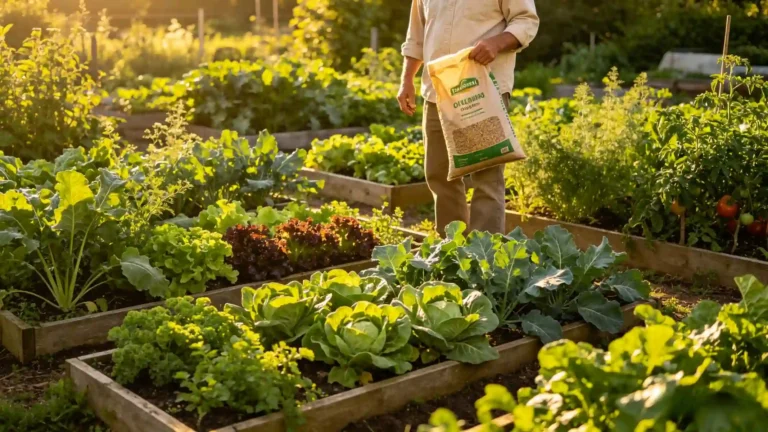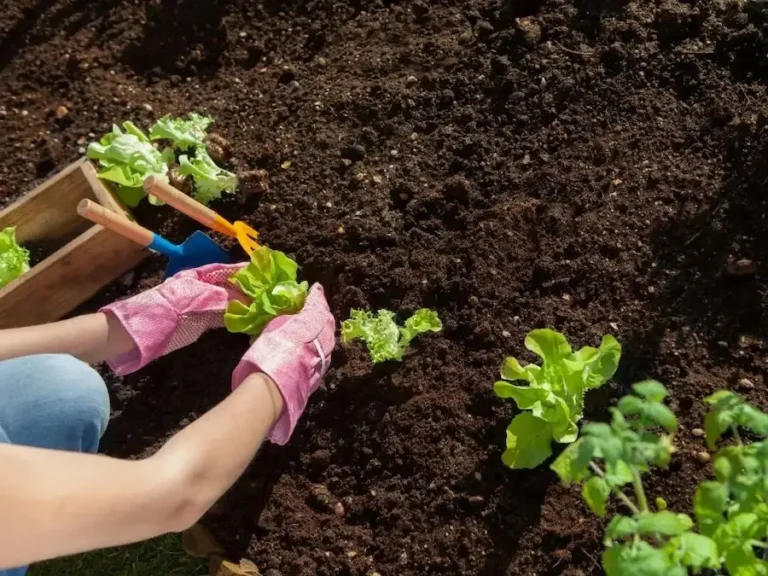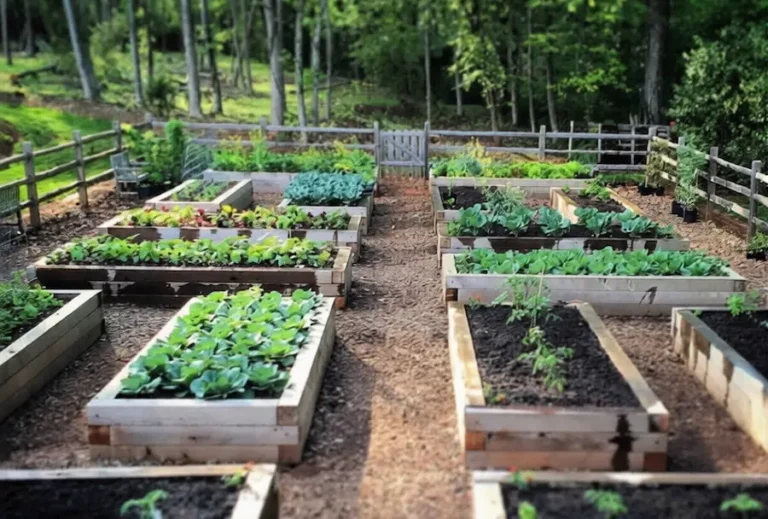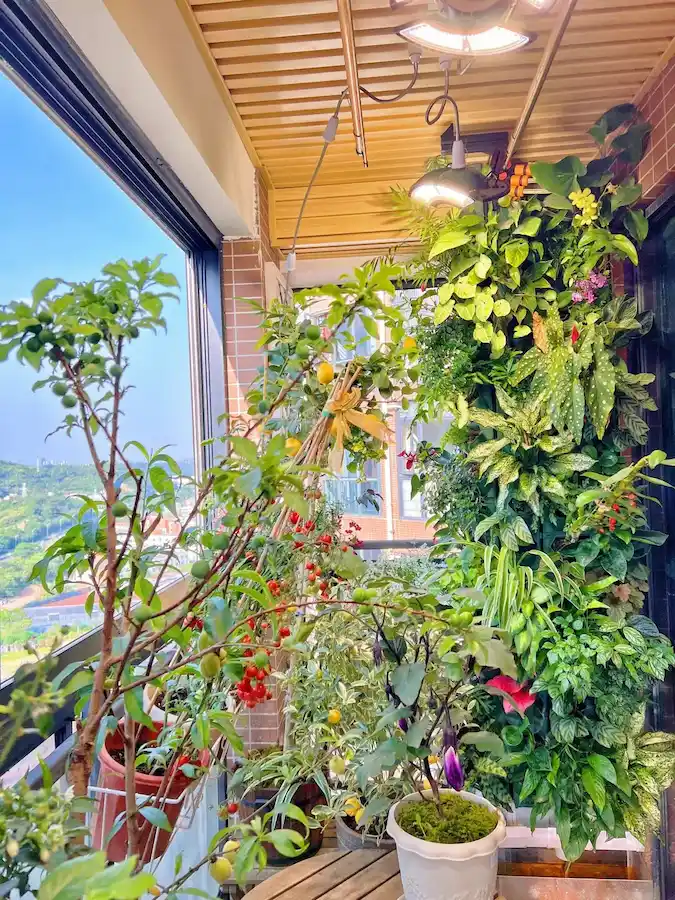
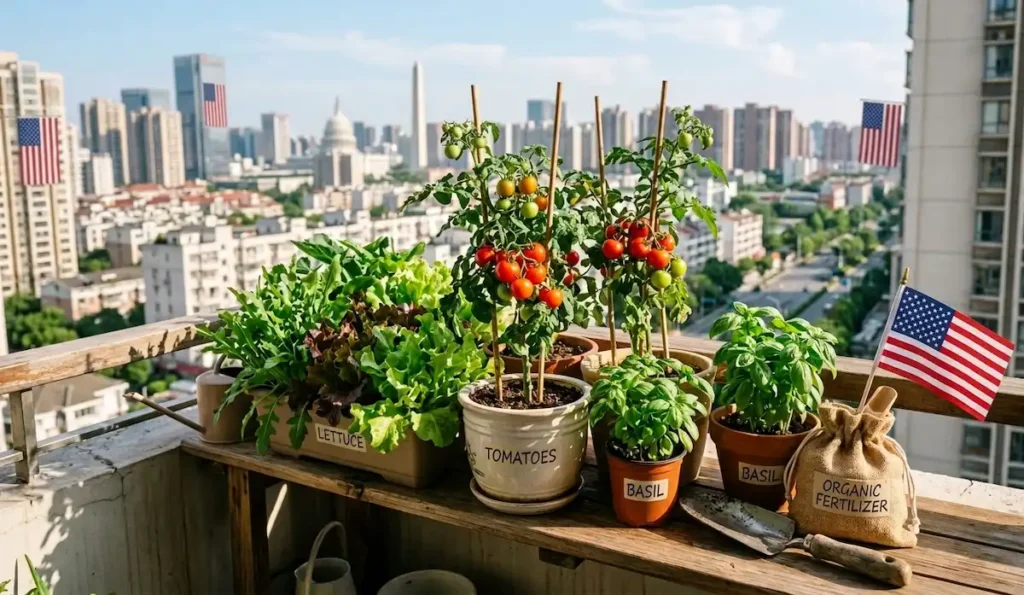
There’s a special kind of magic in stepping onto your balcony on a quiet morning and snipping a handful of fresh basil for your omelet, or plucking a sun-warmed cherry tomato right off the vine. You’ve given it water, you’ve given it sunlight, but what really seals the deal is what you feed it. Choosing the right organic fertilizer for vegetable garden setups isn’t just about bigger plants—it’s about knowing exactly what goes into the food you feed your family. If you’re still figuring out the basics, our guide on how to start a balcony garden walks you through everything from picking containers to the first seeds.
Why Your Balcony Garden Craves an Organic Fertilizer for Vegetable Garden
Growing in containers on a deck, patio, or balcony is a whole different ballgame from farming in open fields. There’s no deep earth for roots to roam, and no rain to naturally flush out excess salts. Synthetic fertilizers can build up in that confined space, making the soil tired, compacted, and sometimes even a little smelly.
A good natural fertilizer for vegetable garden use flips the script entirely. It feeds the soil, not just the plant. Think of it less like a quick energy drink for your greens and more like a slow-release, home-cooked meal. Healthy, living soil teeming with beneficial microbes will naturally hold moisture better, breathe easier, and support root systems that anchor strong, vibrant plants. For you, the grower, that means less wrestling with finicky watering schedules and more forgiving care. For your family, it means hyper-local produce that’s clean, safe, and free from mysterious synthetic chemicals.
Ready-to-Use Natural Fertilizer for Vegetable Garden Options for Busy Gardeners
Not everyone has the time or space to manage a compost pile, and that’s perfectly fine. The market is full of clean, convenient options that won’t stink up your apartment or attract a cloud of fungus gnats. When you’re facing a wall of bags and bottles at the garden center, knowing what makes a truly safe organic fertilizer for vegetable garden can save you a lot of guesswork. For a side-by-side look at the top performers, we’ve broken down the choices in our article on the best fertilizer for vegetable garden.
Worm Castings: The All-Rounder
If you only try one thing, make it worm castings. This stuff is pure garden gold—dark, fine, and smelling exactly like a healthy forest floor after a light rain. It’s so gentle you can’t overdo it; it won’t burn seedlings or tender roots. Mix a handful into your potting mix when you plant, or scratch it into the soil surface every few weeks as a top dressing. It instantly boosts the microbial life that keeps your container soil from going stale. There’s a reason so many experienced growers call it the perfect organic fertilizer for vegetable garden beginners and pros alike come back to.
Pre-Composted Pelletized Manures
Walking into a garden center, you’ll see bags of chicken or cow manure that have been heat-treated and pelletized. This is a far cry from the fresh stuff. They’re odorless, easy to scatter, and break down slowly with watering. They’re a solid choice for heavy feeders like tomatoes or cucumbers, providing a steady baseline of nitrogen without the “oops, I killed it” drama of raw manures.
Seaweed and Fish-Based Blends
Liquid seaweed or hydrolyzed fish fertilizers are a lifesaver when plants look a little pale and need a quick pick-me-up. They usually come in concentrated form. Dilute them in your watering can—following the stink-warning levels on the bottle is key here, especially on a balcony where the breeze might not carry it away—and water the soil directly. Your leafy greens will respond with a deep, glossy green color in a matter of days.

Make Your Own Plant Food: Turn Kitchen Scraps into Garden Treasure
If you love the idea of circling the drain a little less and creating something valuable from “waste,” your kitchen is a goldmine for DIY organic fertilizer for vegetable garden success. The trick is understanding that raw scraps don’t equal food. Fermentation is the bridge between a stinky mess and a nutrient-rich tonic. Before you start, it helps to know how often your plants will actually need a meal—our guide on how often to fertilize vegetable garden lays out a simple schedule.
The Rice Water Hack (For Leafy Greens)
That cloudy water from rinsing your rice? It’s packed with light nutrients. But pouring it straight onto your basil is a fast track to a moldy pot and a swarm of tiny flies. Instead, pour the uncooked rice water into an old plastic jug or soda bottle (leave the cap loose so gas can escape). Toss in a few strips of orange or lemon peel to neutralize odors. Let it hang out in a shady corner for a week or two. When it turns a yellowish color with a tangy, slightly sour scent, it’s ready. Dilute it with ten parts water, and use it to water your lettuce and spinach for a burst of leafy growth.
The “Lasagna” Bucket Compost
You don’t need a yard to compost. A simple 5-gallon bucket with a lid works wonders on a balcony. Chop up your banana peels, apple cores, and spent salad greens (keep out anything oily, salty, or dairy-based). Start with a layer of potting soil on the bottom, add a layer of kitchen scraps, sprinkle a handful of soil over it, and repeat. Every couple of weeks, give it a stir.
In a couple of months, the bucket will be full of dark, crumbly, earthy-smelling matter that looks nothing like garbage. That’s black gold. Dig a spoonful into the edges of your tomato or pepper pots to give them a slow-release feast. It’s one of the most satisfying ways to make your own organic fertilizer for vegetable garden without spending a dime.
Eggshell Calcium Boost
Blossom end rot—those ugly black spots on the bottom of your peppers and tomatoes—is a heartbreaker, and it’s often a sign of calcium deficiency. Rinse your eggshells, let them dry completely, and crush them into a fine powder using a mortar and pestle or a rolling pin. Sprinkle the powder around the base of your fruiting plants and water it in. It’s a slow-release fix that builds stronger cell walls, leading to crunchier produce.
Smart Feeding: The Less-Is-More Playbook
Container plants live in a small universe. They can’t escape a bad meal. The golden rule for any natural fertilizer for vegetable garden success is “less is more, but more often.” For a deeper breakdown of what to use and when, our fertilizer for vegetable garden page covers the whole growing season.
Match the feed to the plant’s life stage. Little seedlings just want a gentle start; a weak kelp solution is perfect. When your lettuce and kale are putting on size, they’re hungry for nitrogen—that’s your fermented rice water’s time to shine. But when your tomato plants start flowering and setting fruit, switch the menu. They need phosphorus and potassium to bulk up those fruits and make them sweet. A sprinkle of wood ash or those kitchen-scrap compost layers will do the heavy lifting here.
Always water your fertilizer into the soil, never splash it on the leaves in the hot sun. And stick to a rhythm: a half-strength feed every week is infinitely better than a full-strength jolt every month.
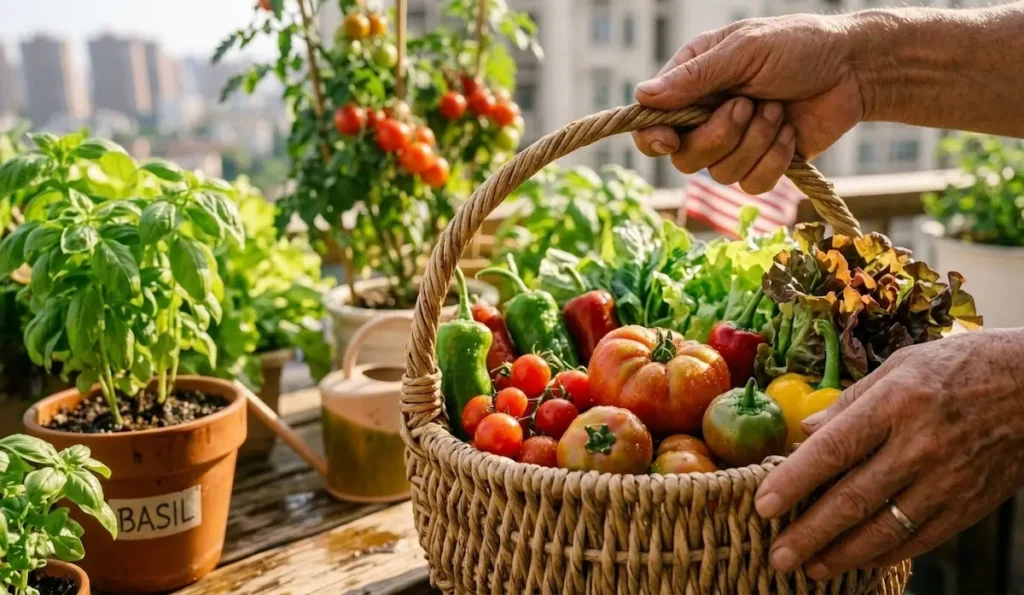
Growing your own food is already a quiet rebellion against the anonymous grocery store shelf. By choosing to feed that food with the goodness that comes straight from the earth—and from your own kitchen—you’re closing a loop that feels deeply satisfying. Pair your new fertilizing savvy with our list of the best vegetables for a balcony garden, grab a packet of seeds, a scoop of castings, and start cultivating your own little slice of abundance right outside your window.