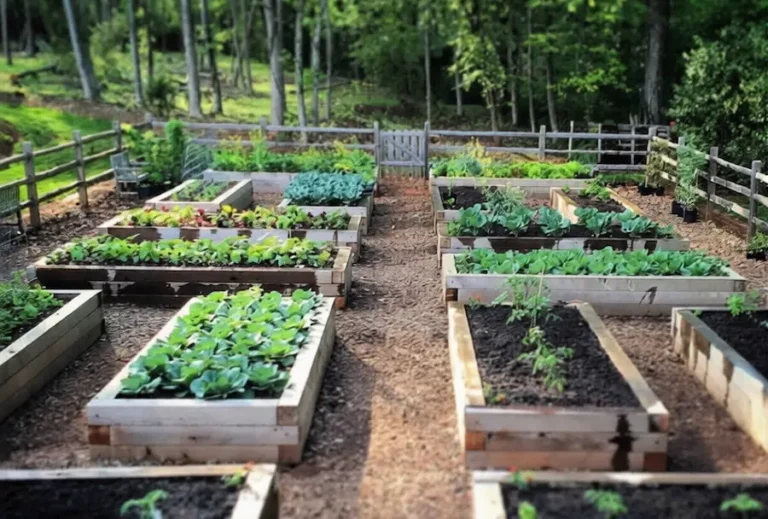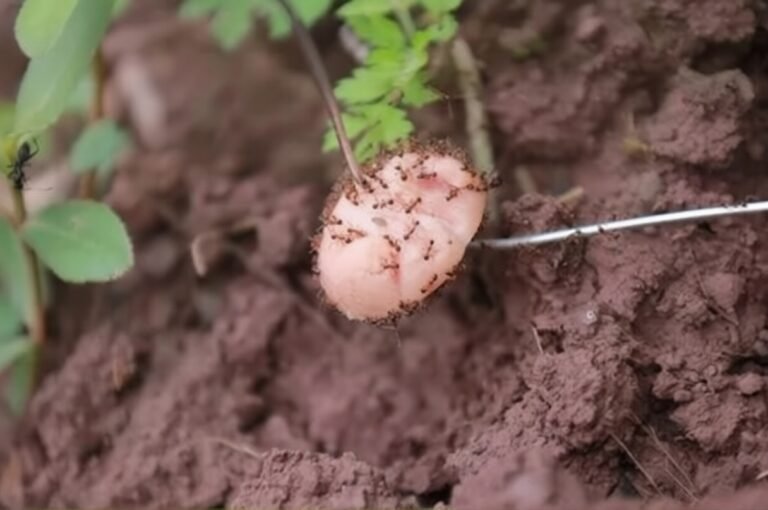
So you’re standing in the garden center, staring at bags of fertilizer, and asking yourself: what type of fertilizer for vegetable garden actually works best? The honest answer isn’t complicated. So if you’re wondering what type of fertilizer for vegetable garden to pick, start here. It all comes down to what vegetables you grow, what your soil looks like, and what kind of harvest you want. Let’s cut through the noise and get your backyard producing like crazy. For more trusted advice, check out this full garden guide.
Organic Fertilizer: The Slow‑Cooked Meal Your Veggies Love
Think of organic fertilizer as a hearty stew. It takes time to cook, but the flavor lasts. Things like aged manure, compost, soybean meal, and worm castings feed your soil first. Healthy soil then feeds your plants for weeks or months. Your garden beds become softer, airier, and better at holding water. Year after year, the soil actually gets richer. That’s one reliable answer to what type of fertilizer for vegetable garden should you use for long-term health.
What works well:
Animal manure – Chicken manure packs lots of nitrogen. Perfect for leafy greens like lettuce and spinach. Sheep manure has more potassium, so tomatoes, peppers, beans, carrots, and potatoes thrive on it. One rule: always use composted manure. Fresh stuff burns roots – meaning it damages or kills your plants.
Compost – Made from kitchen scraps (peels, eggshells), grass clippings, leaves, and straw. This is nature’s all‑purpose fertilizer. It contains almost every nutrient your vegetables need, and it releases them slowly so you won’t hurt your seedlings. Mix 2‑3 inches of compost into the top layer of your soil before planting – that’s a fantastic start. If you’re new to sowing, you might also wonder can i just throw flower seeds in my garden – but for veggies, proper soil prep matters most.
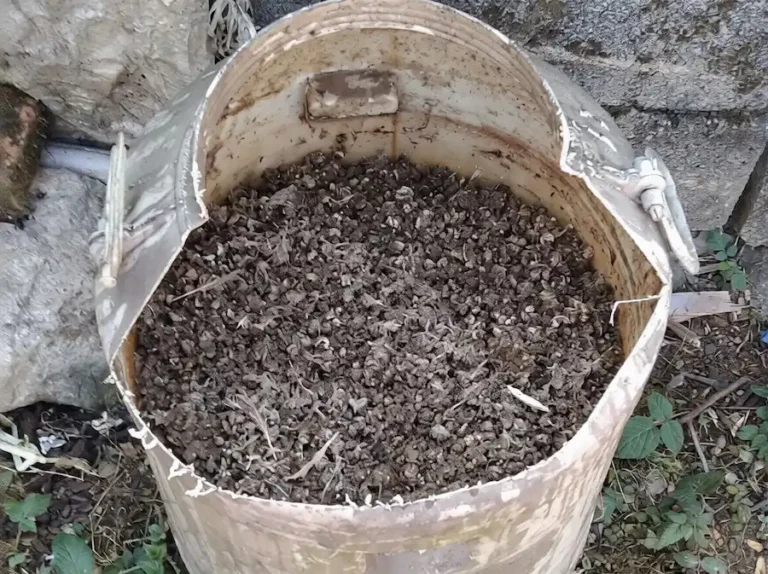
Worm castings (vermicompost) – Those little black granules are gold for your garden. They’re packed with beneficial microbes that wake up tired, compacted soil. Perfect for potted plants or hard clay ground. You can also soak worm castings in water to make “worm tea” – pour that directly on your veggies for a gentle boost.
Plant‑based organic options – Soybean meal or canola meal are high in protein. After they break down, they encourage root growth and help plants fight off diseases. For best results, mix them with EM (effective microorganisms) and a little brown sugar, then let them ferment. Way more powerful than just tossing dry meal on the soil.
How to use them:
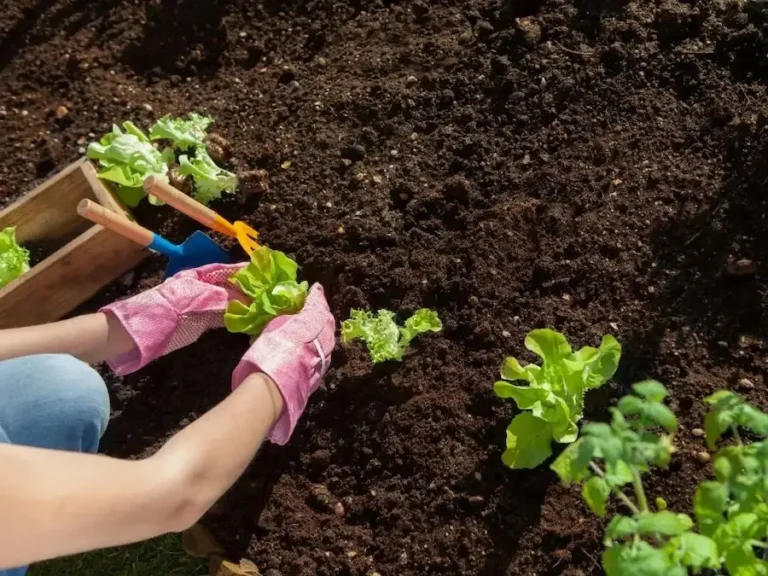
Before you sow seeds or transplant seedlings, work aged manure or compost into the soil as a base fertilizer (also called “starter fertilizer”). For example, on a 100‑square‑foot garden, mix in 20‑30 pounds of composted sheep manure plus 5‑10 pounds of soybean meal. After that, you probably won’t need to feed your vegetables again for the whole growing season. That’s a solid plan no matter what type of fertilizer for vegetable garden you eventually choose.
Synthetic Fertilizer: The Emergency Quick Fix
Synthetic fertilizers – like urea, superphosphate, potassium sulfate, or balanced blends (10‑10‑10) – are fast and powerful. But here’s the catch: if you rely on them alone year after year, your soil turns hard, loses its microbes, and stops living. So use them only when you need a rapid nutrient boost during a critical growth stage, or when your organic supply runs low. But when you’re in a pinch, knowing what type of fertilizer for vegetable garden to grab can save your harvest.
Nitrogen (N) – Pushes out lush green leaves. For leafy vegetables like lettuce or kale, you can water them with a very weak urea solution (1% strength – mix 1.3 ounces of urea into 1 gallon of water) every 10‑15 days.
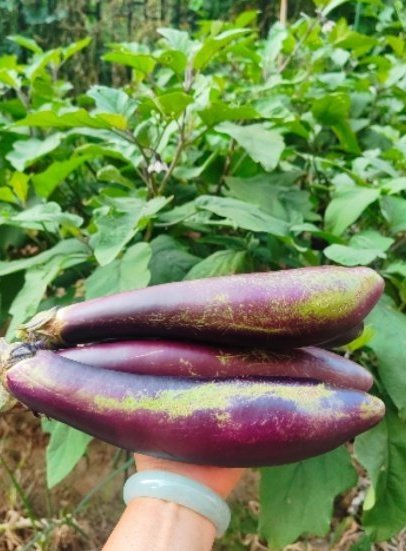
Phosphorus (P) – Builds strong roots and helps flowers turn into fruit. Use it right before your tomatoes, peppers, or eggplants start blooming.
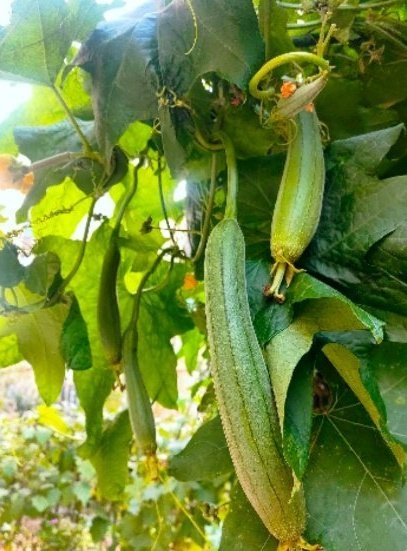
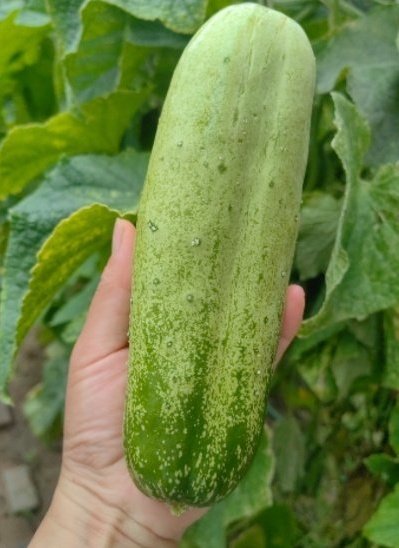
Potassium (K) – Makes plants tougher against heat, cold, and diseases. It also plumps up fruits. After your cucumbers or tomatoes set fruit, they’ll thank you for extra potassium.
Complete fertilizer – A bag labeled 10‑10‑10 or 15‑15‑15 gives you a little bit of everything. But remember: this is a sidekick, not the hero. Spread about 2‑4 ounces per 11 square feet as part of your starter mix, and don’t skip the organic stuff.
One big warning: It’s easy to overdo synthetic fertilizer. Last summer during that hot dry spell, a slightly too‑strong dose burned roots overnight. Always water it in during the evening, never at noon.
Free DIY Fertilizers You Can Whip Up at Home
You don’t always need to buy anything. Your kitchen and yard can produce amazing fertilizers for exactly zero dollars. This homemade option is another great answer to what type of fertilizer for vegetable garden when you want to save money.
Soybean water fertilizer – Boil soybeans until soft, then soak them in a sealed jar of water for about two weeks. Dilute 1 part of that stinky liquid with 50 parts clean water. It’s rich in nitrogen, phosphorus, and potassium. Pour it on your vegetables once a month when they’re young and growing fast.
Eggshell fertilizer – Wash eggshells, let them dry in the sun, then crush them into small pieces. Bury the pieces right in the soil. They add calcium, which stops tomato blossom end rot – those ugly black spots on the bottom of your fruits.
Banana peel fertilizer – Chop up banana peels, cover them with three times their volume of water, and seal the container for about a week. Dilute 1 part of that liquid with 20 parts water. Banana peels are loaded with potassium, so start watering your flowering vegetables with it once a week after blooms appear.
Blood water – The water left over from thawing meat or rinsing raw chicken contains lots of nitrogen. Dilute it heavily – think a few tablespoons into a full bucket of water. It greens up leaves like magic. Just don’t skip the dilution, or you’ll burn everything.
Bone compost – Save those big bones from soup or stock. Bury them in your compost bin or in a corner of your vegetable garden. Soil microbes slowly break them down, releasing phosphorus and calcium. Carrots, onions, and garlic especially love this – it’s like making your own bone meal for free.
Enzyme fertilizer – Grab a 2.5‑gallon plastic bucket. Fill it about two‑thirds with water (rice water works even better). Add chopped fruit peels, vegetable scraps, eggshells, and a spoonful of expired brown sugar or molasses. Seal it up. After about a month, the solids sink to the bottom, and the liquid smells surprisingly fruity – especially if you used orange or grapefruit peels. Dilute 1 part of this liquid with 50 to 100 parts water. It’s gentle, smells nice when you pour it, and your garden will thank you. By the way, if you’re planning your garden layout, you might ask do bees like geranium flowers — they’re great for pollinators too.
A Simple Fertilizing Strategy for Your Vegetable Garden
Don’t let all these options scare you. For a home vegetable garden, just follow three steps. So to make the decision easy, here’s your playbook for what type of fertilizer for vegetable garden at each stage.
Start with a strong base – Focus on aged manure or compost. On a 100‑square‑foot area, mix in 20‑30 pounds of composted sheep manure (or 10 pounds of chicken manure) plus 5‑10 pounds of soybean meal. If you’re short on manure, add a small amount of balanced synthetic fertilizer – maybe 2‑4 pounds of 15‑15-15.
Add side‑dressings as your plants grow – Leafy greens love nitrogen, so give them diluted soybean water or blood water. Fruiting vegetables and root crops want more phosphorus and potassium after they flower – that’s when you pour on banana peel water or enzyme fertilizer. Feed them every one to two weeks.
Emergency rescue – If your seedlings look pale, thin, and slow, mix a weak synthetic nitrogen (like urea) and water the roots. But only do this for leafy greens or very young plants. Never overdo it on tomatoes or cucumbers once they start setting fruit – otherwise you’ll get huge leaves and almost no vegetables.
A Few Important Reminders
Never use fresh manure. Ever. It must be composted for several months or heat‑treated. Fresh manure burns roots and can spread harmful germs.
Go easy on synthetic fertilizers. Overdoing it wastes money, hurts your plants, and can pollute groundwater. Follow the label – more is not better. Understanding what type of fertilizer for vegetable garden to use is half the battle; the other half is building healthy soil.
Tackling hard, compacted soil – The answer is always more organic matter: compost, aged manure, worm castings. These improve soil structure and let air and water move freely. You can also grow a cover crop like peas or clover, then till it into the soil – that’s called green manure, and it works beautifully. And if furry visitors are a problem, learn how to keep cats out of a flower garden with humane tips.
Wet vs. dry climates – If you live in a rainy area (think the Southeast), extra organic matter helps water drain faster. In dry places like California or Arizona, spread a layer of grass clippings or compost on top of your soil to keep moisture from evaporating.
So don’t overthink it. Treat organic fertilizer as your daily bread, synthetic fertilizer as the occasional spice, and homemade brews as the fun weekend project. Now that you know what type of fertilizer for vegetable garden fits your style, healthy soil grows healthy vegetables – and there’s nothing better than walking out your back door and picking dinner that you grew yourself. Now go grab that compost pile and get your hands dirty. Your garden is waiting.