
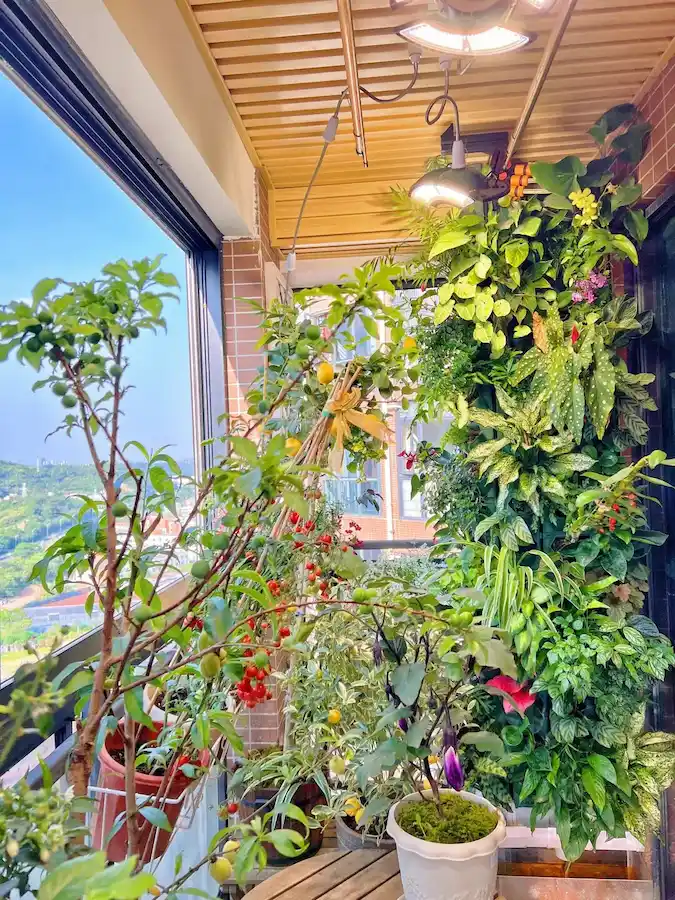
Growing the best vegetables for a balcony garden is easier than you think. Whether your space gets full southern sun or just gentle northern light, you can create a lively mini-garden right outside your door. Homegrown veggies make meals fresher and bring the simple joy of harvesting your own food. This guide is packed with top picks for balcony-friendly crops, tips matched to your light conditions, and easy care steps to ensure success. Choosing the best vegetables for a balcony garden starts with understanding what grows well in containers.
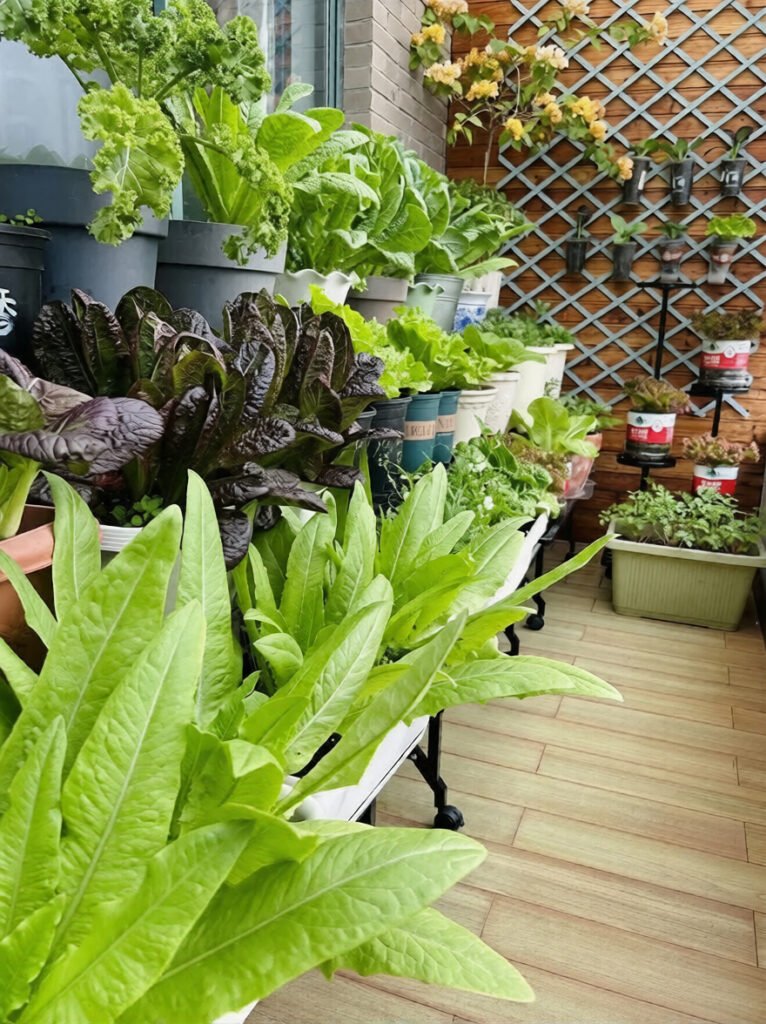
Quick Harvests: Vegetables Ready in Weeks
Want to see results fast? These leafy greens grow quickly, need little fuss, and often regrow after cutting. They are a fantastic starting point for your best vegetables for a balcony garden list.
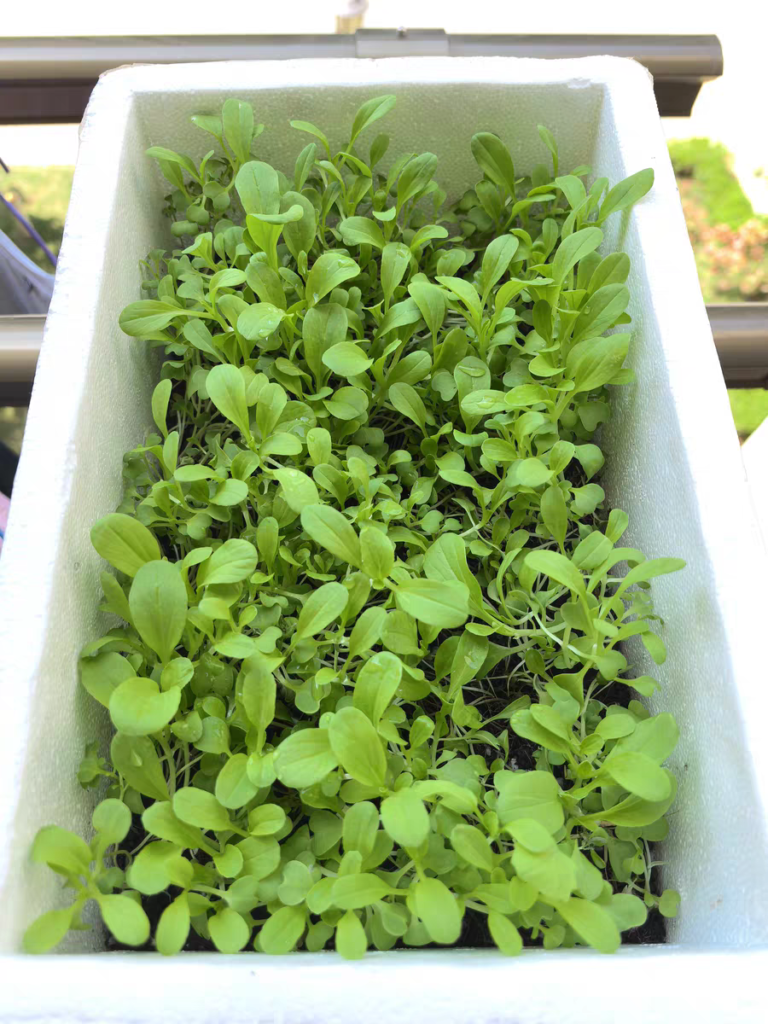
Bok Choy (Pak Choi)
This might be the fastest vegetable you can grow. You can harvest baby leaves in just 20–25 days from seeding. Mix the tiny seeds with a little sand and scatter them over moist soil. Cover lightly with about a quarter-inch of soil. Seeds sprout in 3–4 days. Use scissors to cut outer leaves, leaving the center to keep producing.
Lettuce
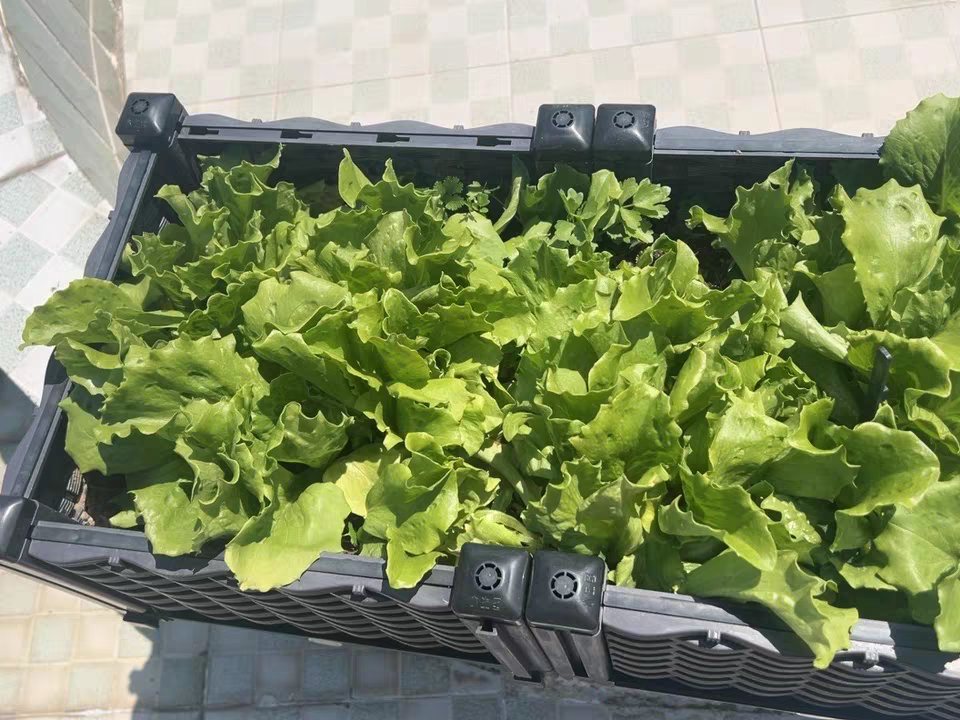
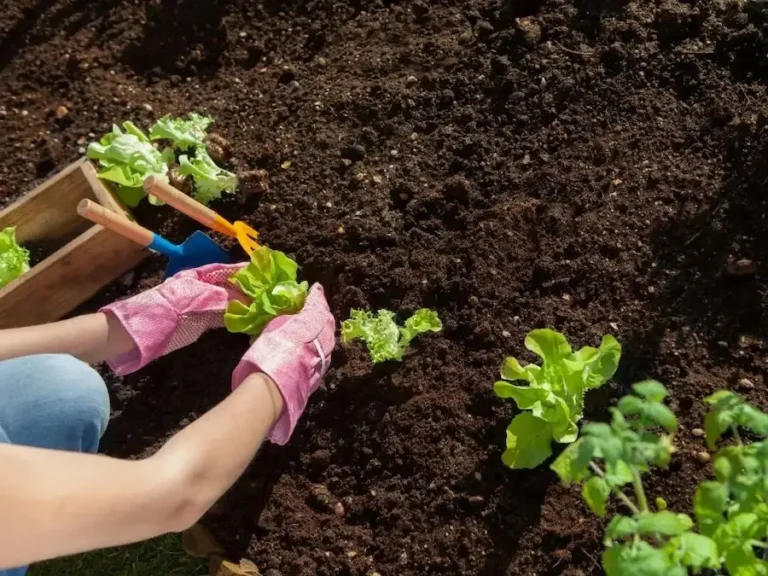
With many varieties like butterhead and romaine, lettuce is forgiving and doesn’t demand perfect light. Start seeds in small containers (yogurt cups or egg cartons work). Move seedlings to pots once they have 3–4 true leaves. Pick the outer leaves regularly, and the plant will keep growing for weeks.
Water Spinach (Kangkong)
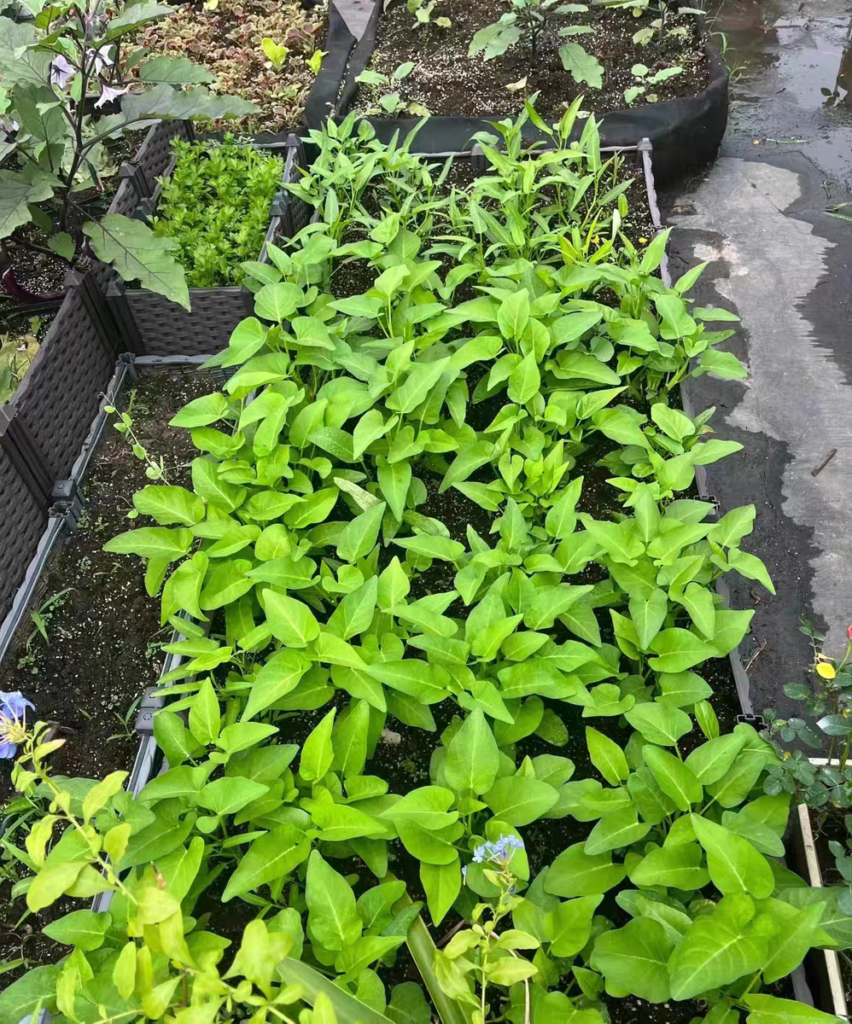
A superstar for hot summers, this vigorous grower has few pest problems. Soak seeds for 12–24 hours, then sprout on a damp paper towel. Plant once they germinate. You can also buy stems, cut them into 4-inch pieces, and root them in water or soil. Harvest by pinching off the top 4–6 inches once the plant is about 8 inches tall. It will branch out and become bushier.
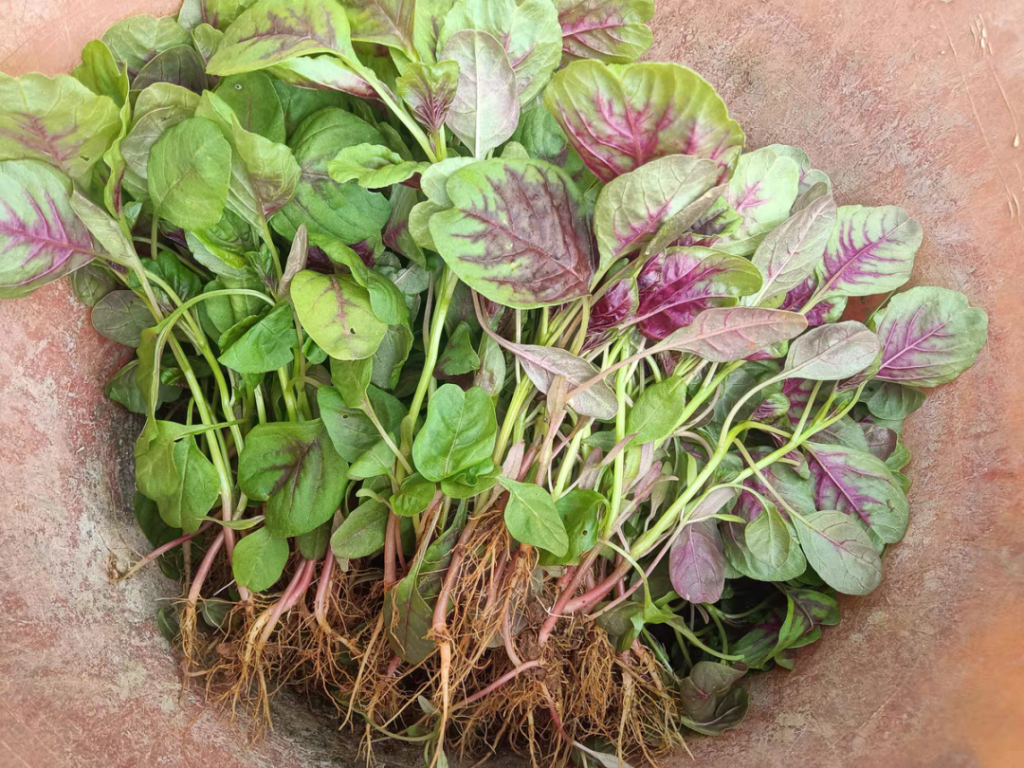
Amaranth Greens
Nutritious and tender, amaranth is a great choice. Look for compact varieties. The seeds are very fine—soak them for a few hours, mix with sand, and sprinkle over soil. Cover lightly and keep moist. Thin out crowded seedlings to eat as microgreens. Later, harvest by snipping the top few inches to encourage side shoots.
Flavor Boosters: Herbs and Alliums for Instant Taste
No list of the best vegetables for a balcony garden is complete without fresh herbs. These plants ask for very little but add big flavor to your cooking.
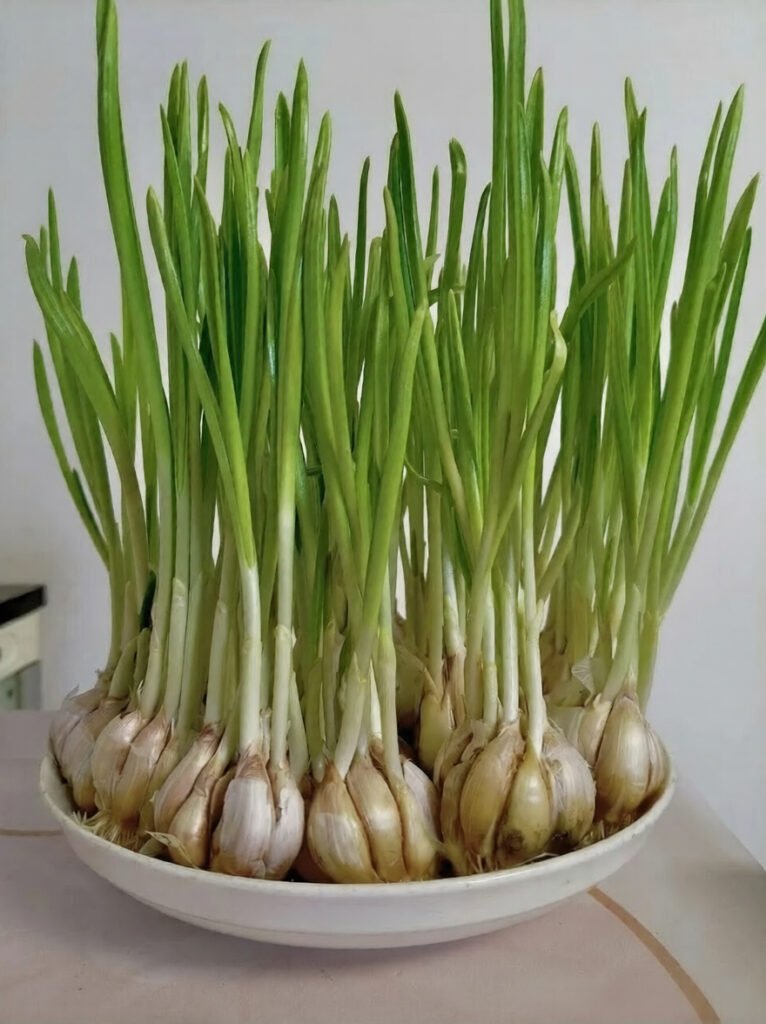
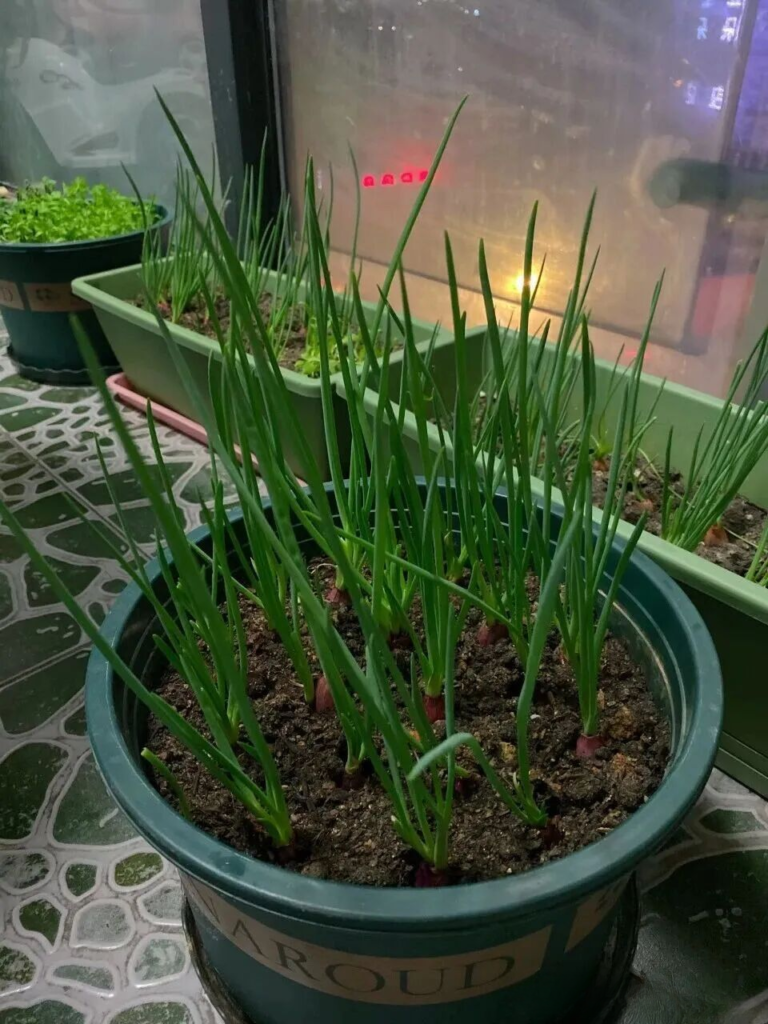
Green Onions, Garlic Sprouts & Cilantro
Your kitchen saviors. Plant the root ends of store-bought green onions, sprouted garlic cloves, or cilantro stems with a bit of root attached. You can start them in water or soil. Just keep the soil lightly moist. Snip what you need, and they’ll regrow.
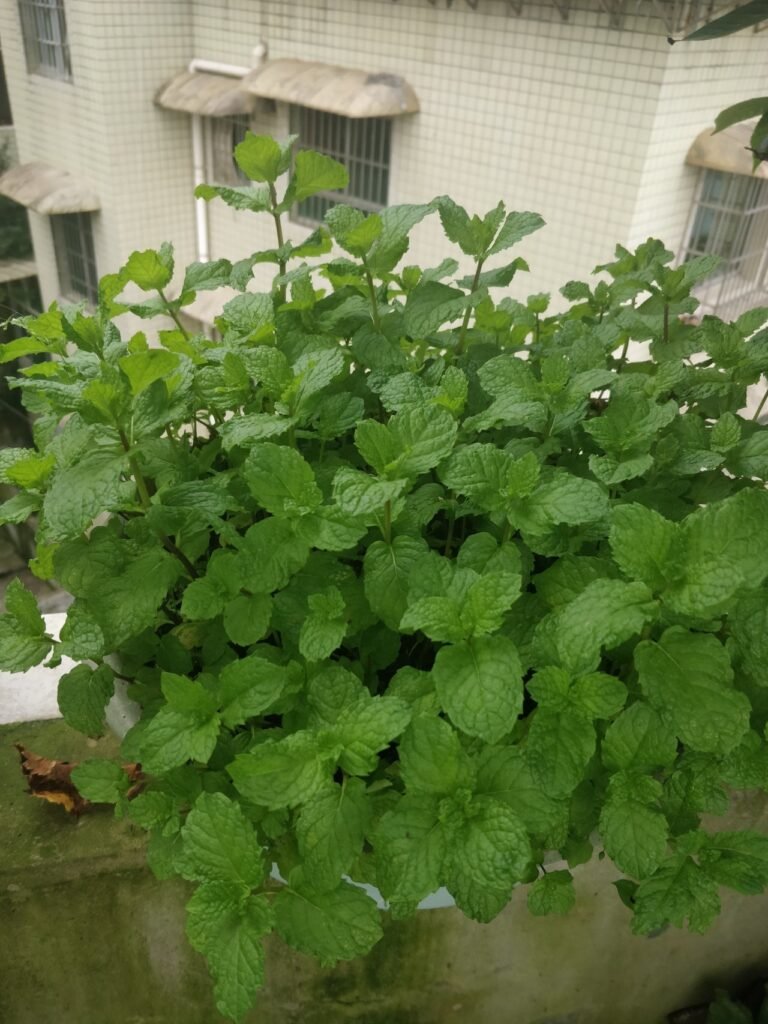
Mint, Shiso & Basil
These herbs are tough and prolific. Mint and basil are perfect for drinks, salads, and pasta. Buy small plants or start from seed. They enjoy good light. Pinch off the top tips regularly to encourage a bushier plant.
Fun and Color: Edible Plants That Look Great
Add some visual appeal with these productive picks. They prove the best vegetables for a balcony garden can be both pretty and practical.
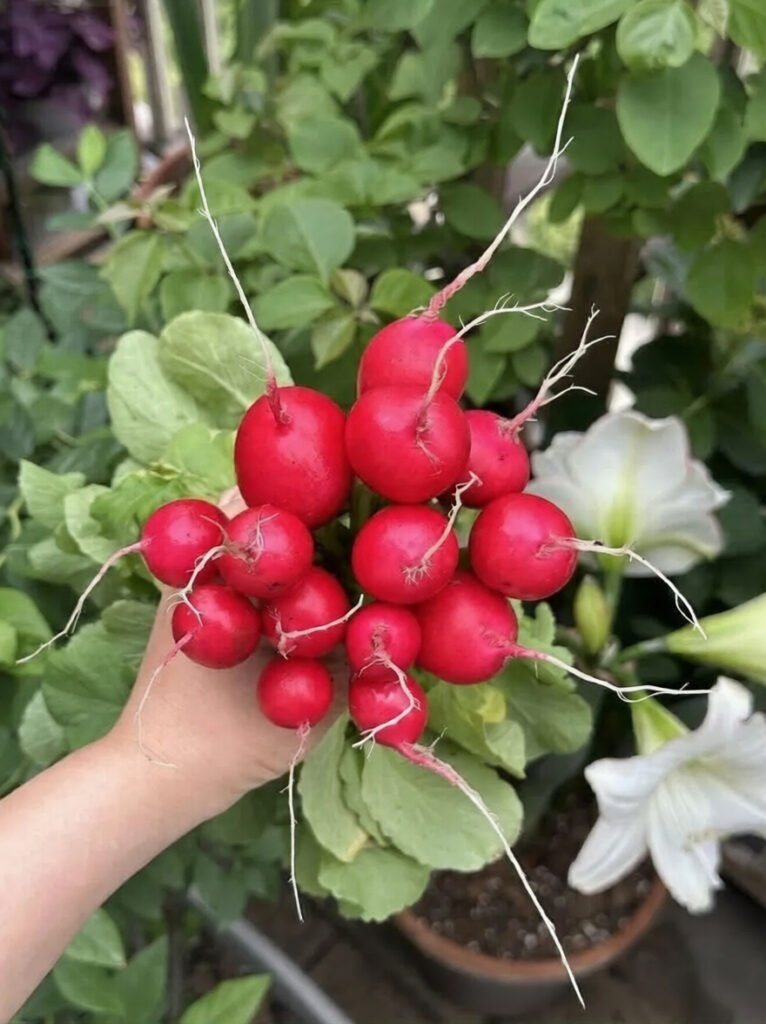
Cherry Radishes
They grow super fast—ready in about 30 days. The round, red roots are cute and crunchy. Sow seeds directly in a pot at least 6 inches deep. Keep the soil moist and loose. They’re a sweet, peppery addition to salads.
Cherry Tomatoes (Dwarf Varieties)
Choose “patio” or “bush” types. They’ll give you a beautiful cascade of fruit. They need the sunniest spot you have—at least 6–8 hours of direct light. Gently shake the plants when flowers appear to help pollination. Use a large pot (5 gallons or bigger) and feed regularly.
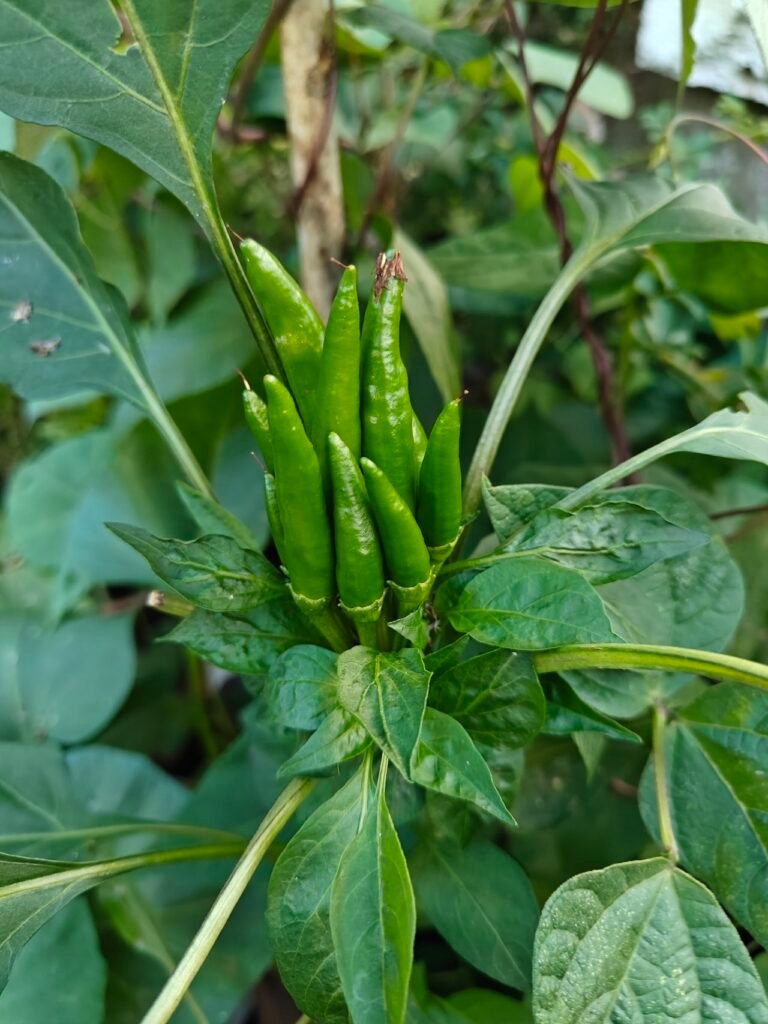
Peppers
Both hot and sweet peppers do well in containers. They love heat and handle dry spells. Start with a healthy seedling that already has flowers or fruit. Use loose, rich potting mix blended with a slow-release organic fertilizer. Water consistently when fruits are forming, but don’t let pots sit in water.
Pick Plants for Your Balcony’s Light (The Real Secret!)
Your light conditions decide what will thrive. Matching your space to the best vegetables for a balcony garden is the key to a great harvest. Let’s break down the options by sunlight.
South-Facing Balcony (Full Sun)
This is prime real estate. You can grow almost anything, especially sun-loving tomatoes, peppers, cucumbers, and beans. This is where you can truly explore all the best vegetables for a balcony garden. Provide some afternoon shade for leafy greens in peak summer.
East or West-Facing Balcony (Partial Sun)
Great for most leafy greens like lettuce and spinach, along with herbs. Many of the best vegetables for a balcony garden with quick harvests do well here. A west-facing balcony gets hotter in the afternoon—be ready to water more and provide shade if needed.
North-Facing or Shaded Balcony (Low Light)
You still have options for a productive garden. Stick with shade-tolerant greens like lettuce, chives, spinach, and cilantro. They may grow a bit slower, but you’ll still get a harvest. Success here is about selecting the right best vegetables for a balcony garden that tolerate lower light.
Essential Balcony Gardening Tips
Get these basics right, and your plants will thank you. These tips apply whether you’re growing one pot or a dozen, and are fundamental to nurturing the best vegetables for a balcony garden.
Containers
Every pot must have drainage holes. Use wide, shallow containers for greens. Deep pots (12 inches or more) are best for tomatoes and peppers.
Soil
Skip garden soil. Use a quality potting mix that drains well. You can make your own blend with potting soil, coconut coir, and perlite.
Watering
Let the top inch of soil dry out between waterings. Then water thoroughly until it runs from the drainage holes. Try to keep leaves dry to prevent disease.
Feeding
Mix a slow-release organic fertilizer into the soil at planting time. Every 1–2 weeks, feed with a diluted liquid fertilizer like fish emulsion or seaweed extract.
Pests
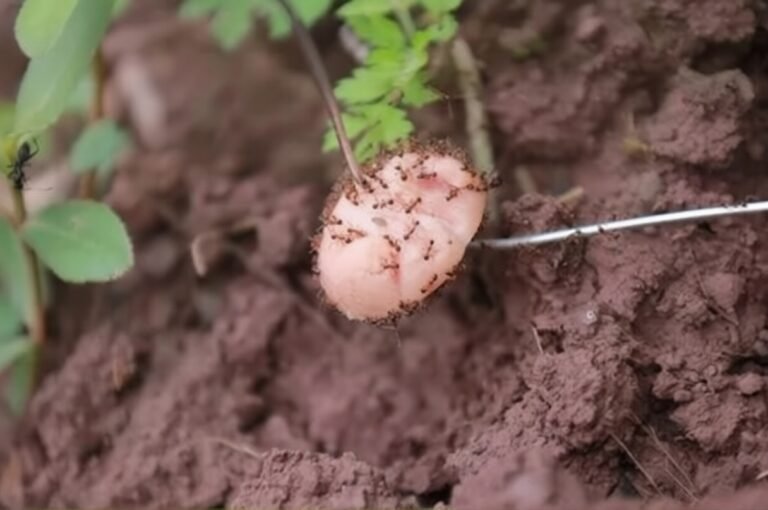
Keep an eye out. Good airflow helps. Pick off pests by hand or spray them off with water. Yellow sticky traps control fungus gnats. A mild soap spray can manage aphids.
Imagine stepping outside to pick fresh lettuce for your lunch or snipping basil for tonight’s dinner. That first homegrown bite is all the reward you need. Your journey to growing the best vegetables for a balcony garden starts with just one pot—what will you plant first?
2 Comments