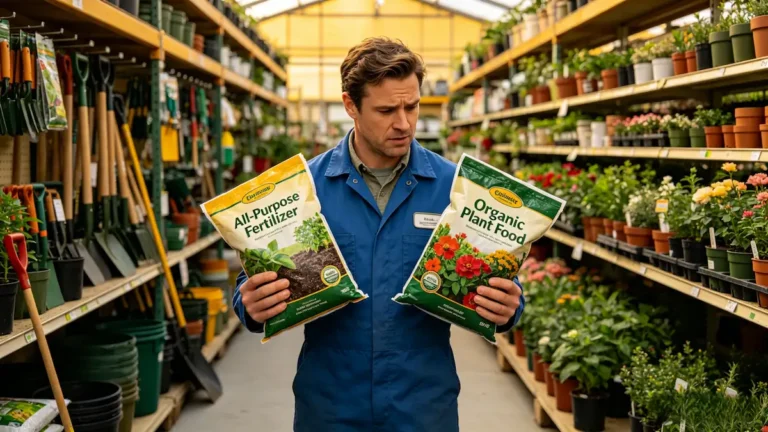
If you’re growing tomatoes, peppers, or other garden plants in your American backyard, you’ve probably spotted tiny ants crawling all over your vegetables. If you’re wondering how to get rid of ants in vegetable garden, you’re not alone. Don’t panic. Ants usually aren’t there to eat your plants—but they are farming aphids. Those aphids suck the life out of your crops, and the ants protect them like tiny livestock. Here’s exactly how to get rid of ants in vegetable garden spaces without harming your plants or the good bugs living nearby.
Why You Need to Stop Ants Right Now
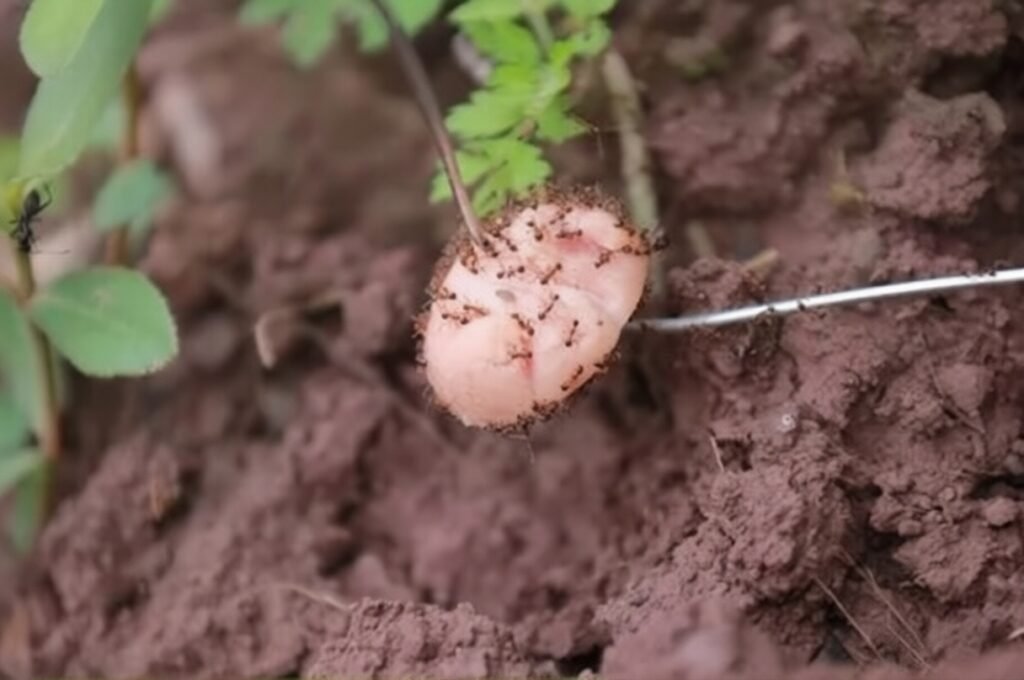
Ants don’t chew leaves, but they cause real damage underground. They tunnel around roots, which can dry out your soil and stress your plants. Worse, they carry aphids and whiteflies onto stems and leaves, shielding them from predators like ladybugs. They also steal seeds right out of the ground. And honestly? Nobody wants to pick a snap pea covered in ants. That’s why learning how to get rid of ants in vegetable garden is essential for a healthy harvest.
Track Down the Nest First
The first step in how to get rid of ants in vegetable garden is to track down the nest. You can’t win this fight by just killing the ones you see. The workers you spot on your squash vines are just the crew—the real target is the queen, hidden somewhere underground. Follow the ant trail. Look along cracks in the soil, at the base of stems, or near garden borders. In American vegetable gardens, common ants like little black ants or larger pavement ants usually nest just a few inches down. Grab a trowel and dig carefully. Once you find the colony, you’re ready to act.
Pour Boiling Water Into the Colony
This is one of the fastest ways to get rid of ants in a vegetable garden without chemicals. Boil about a gallon of water. Use your trowel to open the top of the nest, then pour the water directly inside. The heat kills the queen and the eggs instantly. Just be careful around plant roots—you don’t want to scald your veggies. Wait a week. If you still see activity, do it again.
Try Natural Sprays and Powders
Natural methods are a safe way to learn how to get rid of ants in vegetable garden. If boiling water sounds too drastic, start with kitchen ingredients. Mix one part white vinegar with two parts water and spray along ant trails, around plant bases, and near raised bed edges. Vinegar messes with their scent trails so they can’t navigate. Spray every few days.
Sprinkle cinnamon or cayenne pepper around your plants. Ants hate the smell, but rain washes it away, so you’ll need to reapply often. Another trick: crush five or six garlic cloves and soak them overnight in a quart of warm water. Strain it, then spray the liquid on leaves and soil. It smells strong for a day, but the scent fades while the garlic keeps ants moving elsewhere.
Build Barriers They Can’t Cross
Building physical barriers is a key strategy in how to get rid of ants in vegetable garden. Food-grade diatomaceous earth works like broken glass under a microscope. Sprinkle a ring around each plant. When ants crawl through it, their outer shells get sliced and they dry out. It only works when dry, so skip this before a rainstorm.
Wood ash from your fire pit also stops ants. Spread a thin ring a couple inches from your plant stems. Ash dries them out and blocks their path. If you’re growing in containers, wrap copper tape or double-sided sticky tape around the pot rims. Ants won’t cross it.
Set Traps That Take Out the Whole Colony
If you prefer a hands-off approach to how to get rid of ants in vegetable garden, try bait traps. Baiting takes patience, but it works. Mix one part borax with three parts sugar and one part warm water. Soak a cotton ball or drip the liquid into small bottle caps. Place them near ant trails but away from kids and pets. Workers carry the sweet poison back to the nest, and within days the colony collapses.
For a greasier bait, mix a spoonful of peanut butter with two spoons of sugar and one spoon of borax. Roll it into tiny balls and set them out. The fat attracts ants, and the borax does the job slowly.
Bring in Stronger Help If You Need It
If ants have taken over fast, you might want a quicker fix. Look for ant bait granules labeled for vegetable gardens—ones with spinosad or hydramethylnon work well. Sprinkle them near the nest entrance. Workers carry the poison inside and share it.
For instant kill sprays, use products with pyrethrin. They wipe out visible ants on contact but won’t stop new ones from showing up. If ants are nesting in a pot, mix a teaspoon of mild dish soap into a gallon of water and drench the soil. It forces them out without poisoning your veggies.
Keep Ants From Coming Back
Prevention is key to keeping your garden ant‑free for good. Stop attracting ants by cutting off their food source. Check your plants often for aphids. Blast them off with a strong hose spray. No aphids means no honeydew, and ants will lose interest.
Use compost that’s fully broken down. Fresh kitchen scraps can draw ants straight into your beds. Also, plant things ants dislike along your garden edges—mint, rosemary, lavender (for more on flowering plants, see what are flower type plants grow a garden), onions, and garlic all work as natural repellents.
Watch your watering—for tips on frequency, see how often to water vegetable garden. Ants prefer moist soil where they can tunnel easily. Water deeply but less often, and follow our how to weed garden tips to clear away fallen leaves and weeds so they have fewer places to hide.
A Few Safety Reminders
Borax and diatomaceous earth are low-toxicity, but keep them away from kids and pets. If you go with chemical sprays, always pick products labeled safe for edibles, and follow the waiting period before harvest. If you spot winged ants swarming from wood or drywall, call a pest pro—that’s termites, not garden ants.
If you also have issues with cats in your flower beds, check out our guide on how to keep cats out of my flower garden.
Your garden should feed you, not a colony of tiny farmers. Try one method at a time and stick with what works. Before long, you’ll be back outside picking peppers without a single ant in sight.