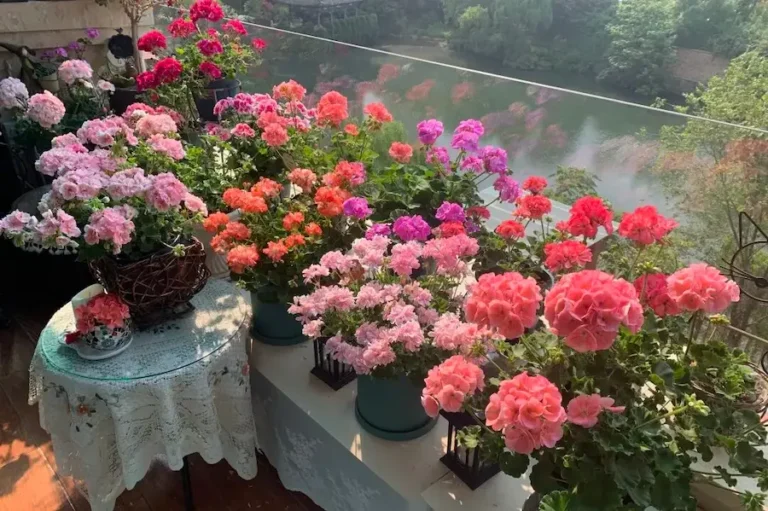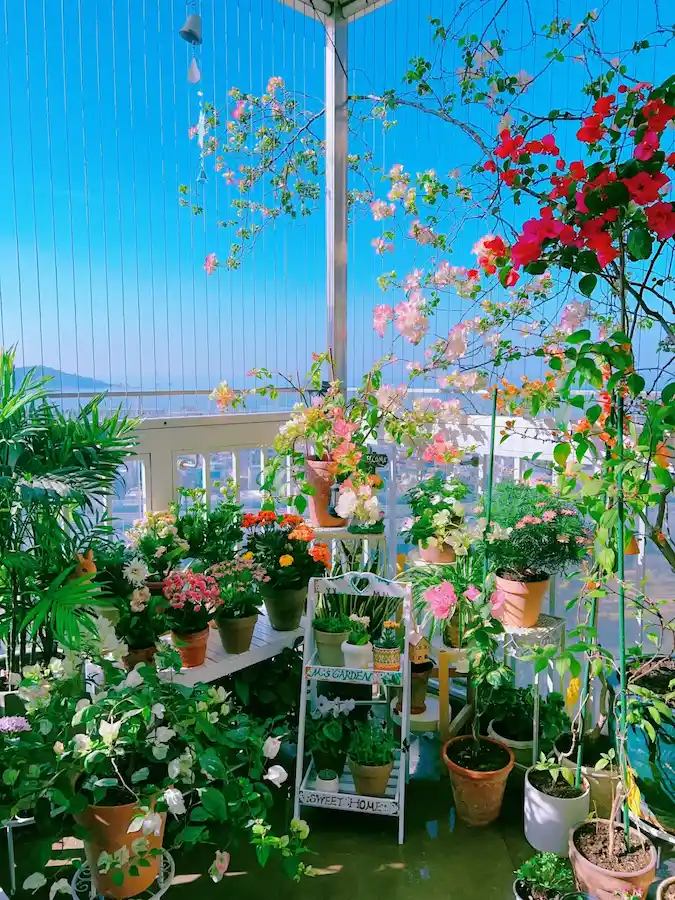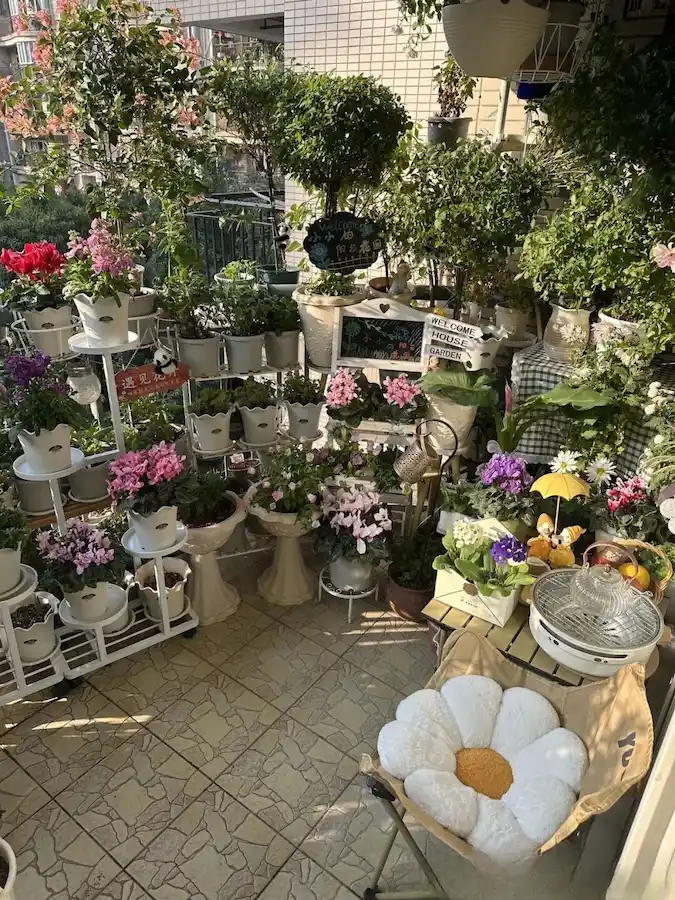
Learning how to do gardening in balcony can transform any outdoor space into a lively green retreat. No matter if you have a spacious terrace or just a small window ledge, your balcony can become a personal oasis. Gardening not only beautifies your home but also brings a deep sense of calm. This practical guide will walk you through assessing your space, planning smartly, and successfully creating your own balcony garden.
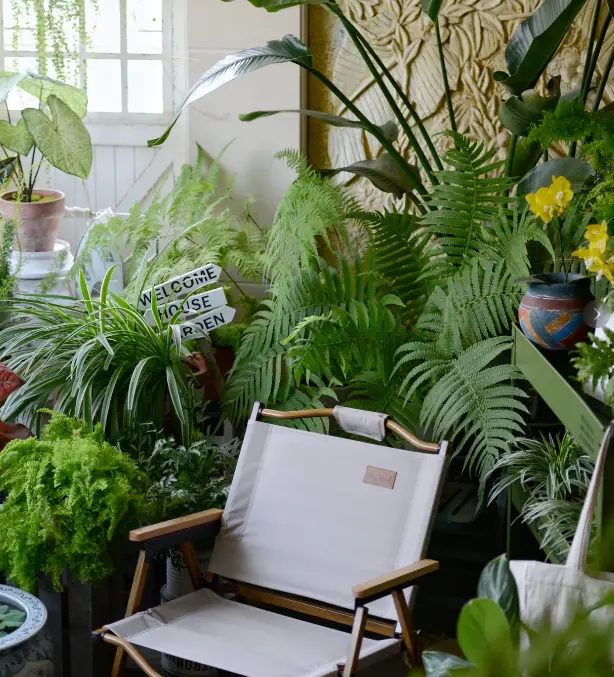
Step 1: Get to Know Your Balcony
A thriving balcony gardening project starts with understanding your unique space.
Sunlight and orientation decide what plants will thrive.
A south-facing balcony gets the most light. It’s perfect for sun-lovers like roses, jasmine, bougainvillea, most succulents, and herbs such as rosemary and basil.
A north-facing balcony has less direct light. Choose shade-tolerant plants like asparagus fern, monstera, snake plant, calathea, and ferns.
East or west-facing balconies enjoy half-day sun. These are ideal for part-shade plants such as hydrangeas, petunias, clematis, and orchids.
Check your space and weight limit.
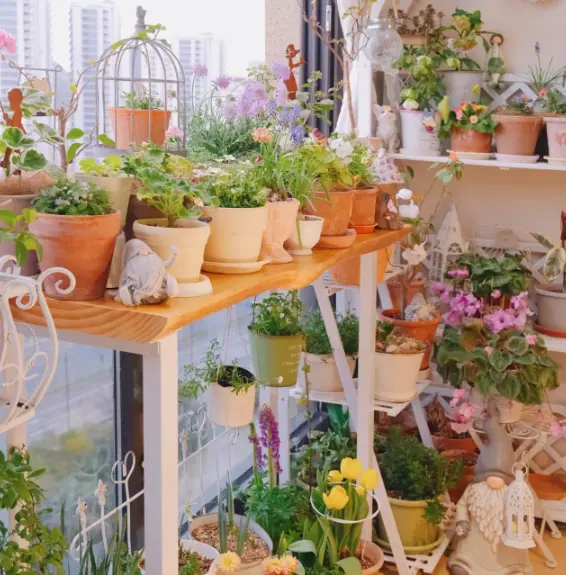
Measure your balcony. For small areas, use vertical gardening, hanging pots, and tiered shelves to grow more.
Respect your balcony’s weight capacity. Avoid overly large, heavy planters or excessive soil to ensure safety.
Think about wind and enclosure.
Open balconies have good airflow but may need wind protection.
Enclosed balconies or sunrooms are sheltered but less breezy. Pick plants suited for indoors (like fiddle leaf fig, bird of paradise, or pothos) and avoid intense afternoon sun in summer.
Step 2: Plan Your Balcony Garden Layout
Before buying any plants, sketch out how you’ll use the space. Good design is key when figuring out how to do gardening in balcony.
Define its main purpose.
A dedicated garden focuses purely on plants.
A multi-use area might include seating, dining, or reading nooks. Foldable furniture helps switch modes easily.
Grow upward with vertical gardening.
Shelves are a balcony essential. Sturdy, well-sized plant stands create layers and display plants beautifully.
Hang plants from ceilings, railings, or walls. Use hooks, rods, or grids for trailing plants like spider plants, petunias, and ivy to build a “floating garden.”
Mount wall planters, shelves, or trellises. Let climbing plants such as honeysuckle or ivy turn a blank wall into a living feature.
Step 3: Pick the Right Pots and Soil for Balcony Gardening
Choosing containers matters in any balcony gardening plan.
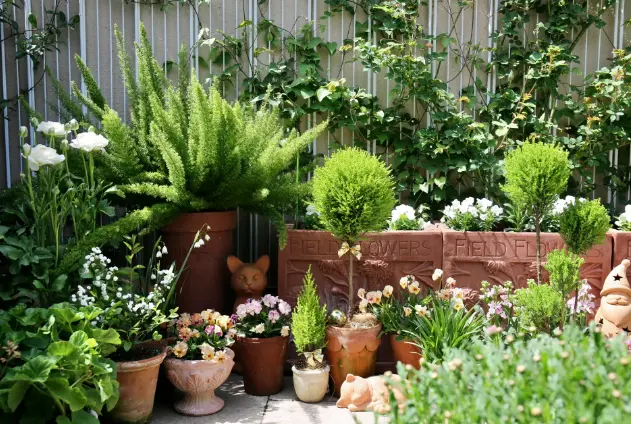
Plastic pots (like nursery pots) are light, affordable, and often have great drainage. Terracotta breathes well but is heavier. Glazed ceramic looks nice but holds moisture—best used as a decorative outer pot.
Always check for drainage holes at the bottom. This prevents waterlogging and root rot.
Mixing pot sizes, colors, and textures adds visual charm.
Use quality potting mix.
Avoid garden soil or plain coco coir—they compact easily.
Buy a well-draining potting mix made for containers. For succulents and cacti, choose a specialized gritty blend.
Step 4: Select Plants That Will Thrive
Right plant, right place—that’s the golden rule for how to do gardening in balcony successfully.
Beginner-friendly picks are forgiving and rewarding.
For flowers: try petunias, geraniums, portulaca, kalanchoe, or daisies.
For foliage: pothos, spider plant, monstera, snake plant, aloe, or English ivy.
Herbs like mint, basil, rosemary, and thyme need good sun and are both pretty and practical.
Popular statement plants like velvet-leaf alocasia, monstera, philodendron ‘Lemon Lime,’ or caladium can boost your garden’s style. Just note their specific light and humidity needs.
Design tips:
Combine plants in one large pot for a mini landscape. Place taller shrubs in back, mid-sized fillers in the middle, and trailing plants at the front or edges.
Create height variation. Use stands and hangers so plants aren’t all on one level.
Step 5: Master Daily Care for Your Balcony Garden
Water wisely.
A good rule is “water when dry.” Let the top inch of soil dry out, then soak thoroughly until water runs from the drainage holes.
Succulents and cacti need less water. Plants like gardenias prefer consistent moisture. Most herbs dislike wet feet.
Water early morning or late evening in summer. Cut back in winter.
Feed your plants.
During the growing season (spring and summer), apply a balanced liquid fertilizer every 2–4 weeks or use slow-release granules.
Flowering plants benefit from a high-phosphorus feed just before bloom time.
Prune and tidy regularly.
Remove dead leaves and spent flowers to encourage new growth.
Trim back overgrown stems to keep plants shapely and healthy.
Watch for pests.
Good airflow and clean surroundings prevent most issues.
If aphids or spider mites appear, rinse plants with water or treat with insecticidal soap.
Safety and Upkeep Tips for Balcony Gardening
Secure everything. Make sure shelves, hanging baskets, and large pots are stable and won’t fall in strong winds.
Check your balcony structure, railing, and pots periodically for safety.
Keep drainage paths clear of leaves and debris.
Beyond Plants: More Balcony Ideas
Your green space can also become:
A cozy lounge: add a small chair and side table for coffee with friends.
A quiet reading corner: place a comfy seat and a shelf for books.
A meditation spot: with a floor cushion or lounger for tea and relaxation.
Start small. Pick a few easy plants, learn how to do gardening in balcony as you go, and enjoy the journey. Your balcony garden will grow and change, becoming a personal haven in your daily life.
Every great balcony gardening project started with a single plant. What will yours be?