Last spring, my vegetable garden was in trouble. Those tiny seedlings I had babied through the last frost were suddenly covered in holes. Something was munching on them overnight, and I was ready to try just about anything to save them without spraying chemicals. That’s when a neighbor who grows the biggest tomatoes on our street asked me a simple question: “Have you ever tried wood ash?”
I hadn’t. Honestly, it sounded messy and a little crazy. But after watching my plants bounce back, I needed to know: are ashes good for a vegetable garden? Turns out, the answer is yes—when you know what you’re doing. Here’s what I learned, plus some garden tips I picked up along the way.
What Exactly Is Wood Ash?
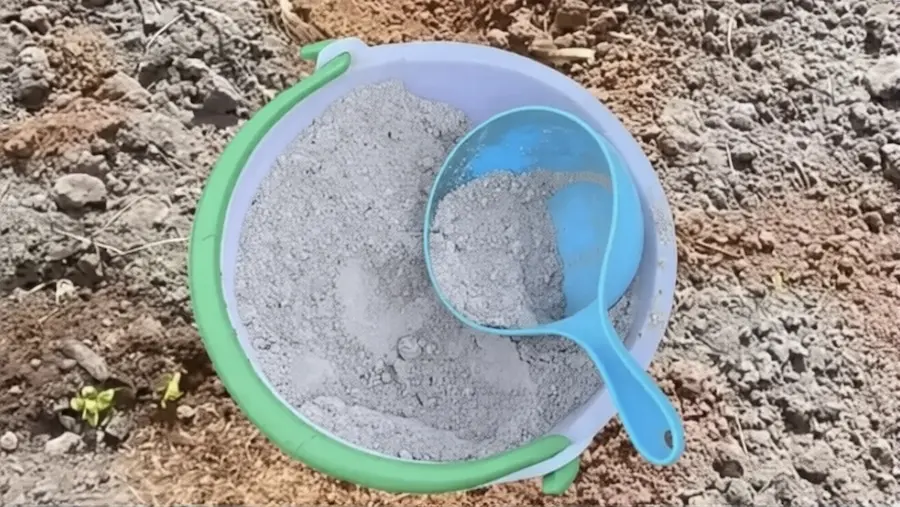
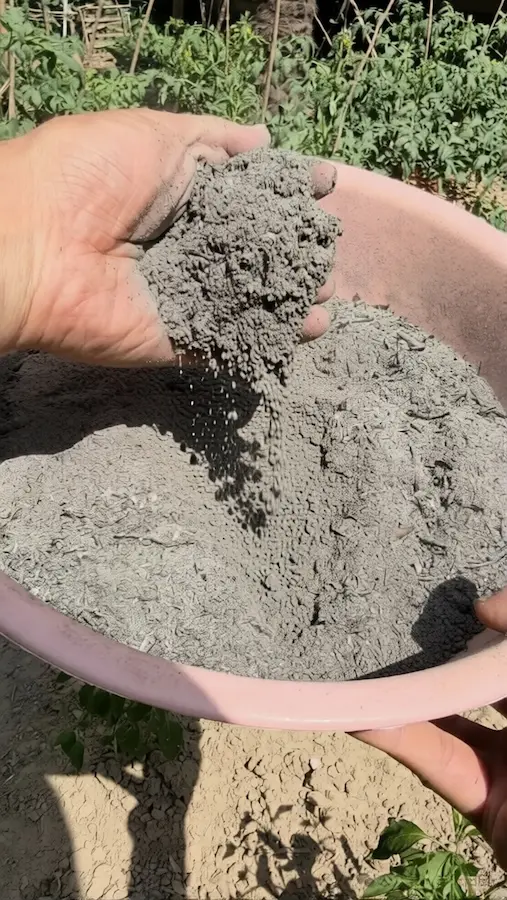
Think of wood ash as nature’s leftovers. It’s the grayish powder and small bits left behind after burning untreated wood, twigs, or yard waste like straw and corn stalks. For anyone with a fireplace or fire pit, it’s basically free garden gold.
Underneath that dusty appearance, wood ash is packed with nutrients. It’s especially rich in potassium (often called potash), with levels landing between 5% and 8% depending on the wood type. You’ll also find calcium, phosphorus, magnesium, and trace minerals like boron and zinc hiding in there. Just keep in mind—it’s alkaline, with a pH usually between 10 and 12. That matters more than you’d think.
Understanding what wood ash is made of helps answer the big question: are ashes good for a vegetable garden? Let’s dig into the benefits.
Four Reasons to Love Wood Ash in Your Garden
1.It Feeds Your Veggies (Especially the Hungry Ones)
Potassium is a big deal for vegetables. Plants like tomatoes, peppers, squash, and cucumbers crave it. This nutrient helps fruit grow bigger, improves flavor, and strengthens the plant so it can handle heat or dry spells better. Spreading a little ash around these heavy feeders is like giving them a multivitamin.
If you’re wondering are ashes good for a vegetable garden when it comes to nutrition, this is a clear yes. They provide potassium that many commercial fertilizers struggle to supply naturally.
2.It Sweetens Acidic Soil
If you live back east or anywhere with lots of rain, your soil might lean acidic. Wood ash works like a gentle, fast-acting substitute for garden lime. It raises the pH over time, making it easier for vegetables to soak up the nutrients they need. Most veggies are happiest in soil that’s just slightly acidic to neutral.
Before you reach for lime, ask yourself again: are ashes good for a vegetable garden that’s too sour? In most cases, they’re an excellent fix.
3.It Bugs Out on Pests
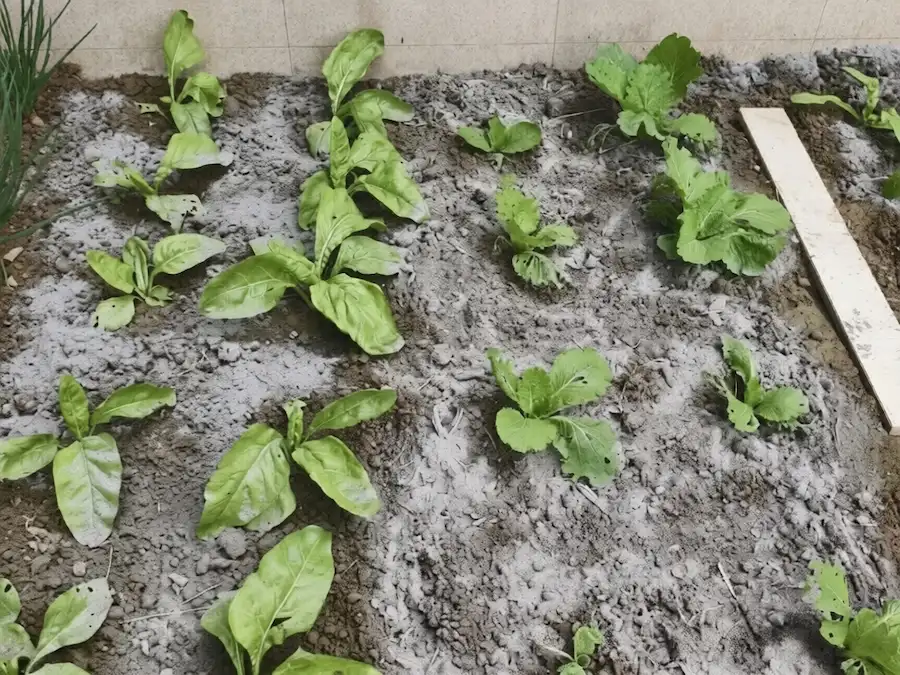
This one surprised me most. Sprinkling dry ash around plant stems creates a barrier that soft-bodied pests like slugs, snails, and aphids don’t want to cross. The fine powder sticks to them and irritates their bodies. It’s not a perfect solution after rain washes it away, but for a week or two? It really helps.
So when pests attack and you want a chemical‑free answer, are ashes good for a vegetable garden? You bet—they’re a natural pest repellent.
4.It Warms the Soil in Spring
Early in the season, every bit of warmth counts. Ash is dark-colored, so it absorbs sunlight and can warm the top layer of soil by a degree or two. Sprinkling a light layer where you plan to sow cool-weather crops might help those seeds wake up just a little faster.
Three Mistakes That’ll Ruin Your Garden
❌ Don’t Mix It With Nitrogen Fertilizer
This is a big one. Wood ash is alkaline, and fertilizers like ammonium sulfate or even urea are acidic. Mixing them triggers a chemical reaction that releases ammonia gas—basically, your nitrogen floats away into the air where your plants can’t use it. If you need both, wait at least two weeks between applications.
Curious about timing? Check out our guide on how often to fertilize vegetable garden to avoid these clashes.
❌ Don’t Go Overboard
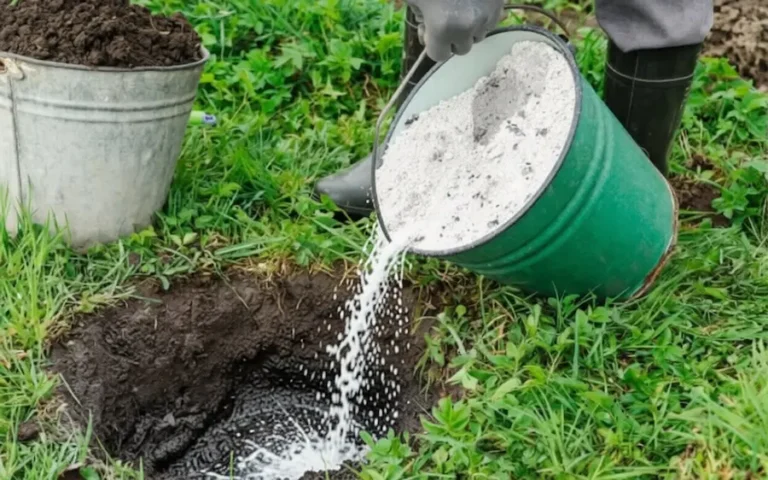
A dusting is plenty. Too much ash can send your soil pH too high, locking up nutrients like iron and zinc. Then your plants turn yellow and sulk even though those nutrients are technically in the ground. For a typical backyard plot, aim for about 15 to 20 pounds per 1,000 square feet per year—that’s roughly one full five-gallon bucket. Think thin layer, not thick blanket.
If you’re gardening in potted plants, cut that amount in half; containers need even less.
❌ Keep It Away From Acid-Lovers
Blueberries, potatoes, rhododendrons, and azaleas will hate you for this. Potatoes are especially touchy—high pH can lead to potato scab, which makes the skins rough and ugly. If you grow spuds, save your ash for the tomato patch instead.
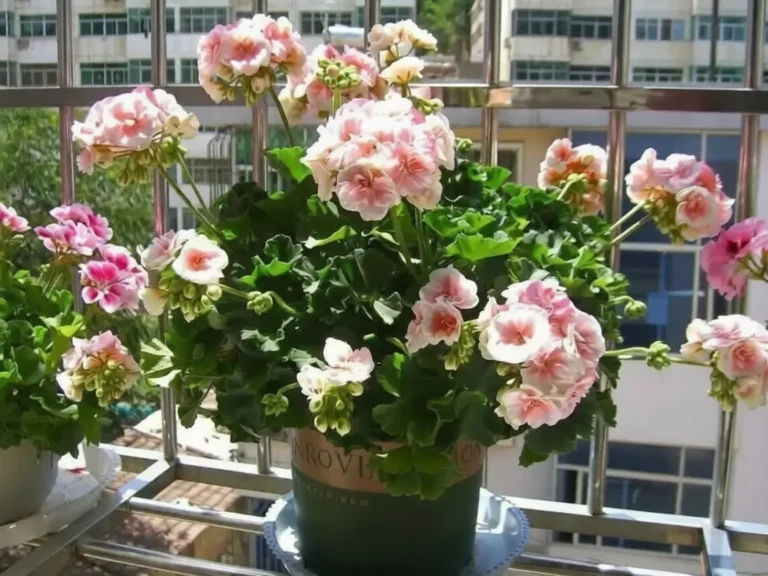
And if you’re curious about other flowers, learn how to care for geranium plants—they actually enjoy a bit of alkalinity, so a light ash sprinkle near them can work well.
How to Use Wood Ash the Right Way
Method One: Sprinkle After Rain
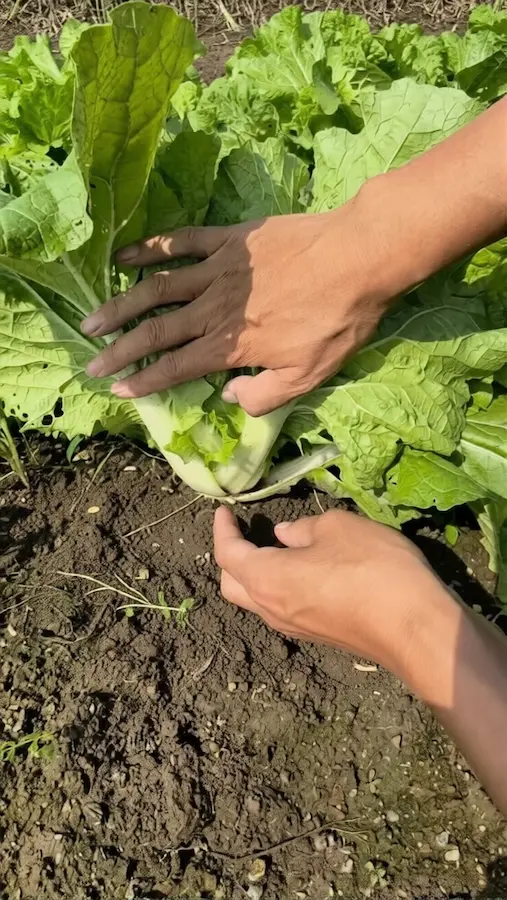
Wait for a good rain or water your garden first. Then dust a light layer of ash around the base of your plants. This helps it settle into the soil without blowing away, and it discourages pests from crawling up those wet stems.
Method Two: Dust the Leaves (Carefully)
Pick a calm morning when dew is still on the leaves. Use a fine sieve or old flour sifter to dust ash right onto the foliage. The dew helps it stick. This works great against aphids and cabbage worms—just go easy, and rinse your harvest well before eating.
Method Three: Make Ash Tea
If dust everywhere isn’t your style, try this: stuff a few handfuls of ash into an old pillowcase or burlap sack. Soak it in a five-gallon bucket of water for a few days. Use the resulting “tea” to water your plants or fill a sprayer. Add a drop of mild dish soap to help it cling to leaves.
Method Four: Mix Into Soil Before Planting
Come spring, scatter ash over your empty beds and till or fork it into the top few inches. This gives the soil time to absorb those nutrients before seeds go in. Avoid doing this right next to tiny seedlings—the salts in fresh ash can bother tender roots.
All these techniques confirm that yes, are ashes good for a vegetable garden? Absolutely, when you apply them with care.
A Few Final Pointers
Always let ash cool completely before handling. Hot coals hide longer than you’d think. Store your extra ash in a metal bucket with a tight lid—rain will wash the potassium right out, leaving you with useless gray sludge. If you’re unsure how much to use, err on the side of less. You can always add more next season.
Oh, and only use ash from clean, untreated wood. No charcoal briquettes, no painted lumber, no trash fires. Those bring heavy metals and who-knows-what into your soil, and your dinner plate doesn’t need that.
For more inspiration, browse our list of what are flower plants in grow a garden—many of them also benefit from occasional wood ash.
Back to my garden story—that first sprinkle of ash honestly surprised me. The pest damage slowed way down. My tomato plants looked greener, and by July I was picking more fruit than I could eat. Now I grab a bucket of ash from my dad’s wood stove every time I visit. It’s free, it works, and it feels good to reuse something that would otherwise go in the trash.
If your squash leaves look sad or your broccoli keeps getting chewed, maybe it’s time to try this old-fashioned trick. Sometimes the best garden helpers have been right under our noses the whole time.
Have you used wood ash in your garden? Drop a comment and tell me how it went—I’m always looking for new tricks to try.