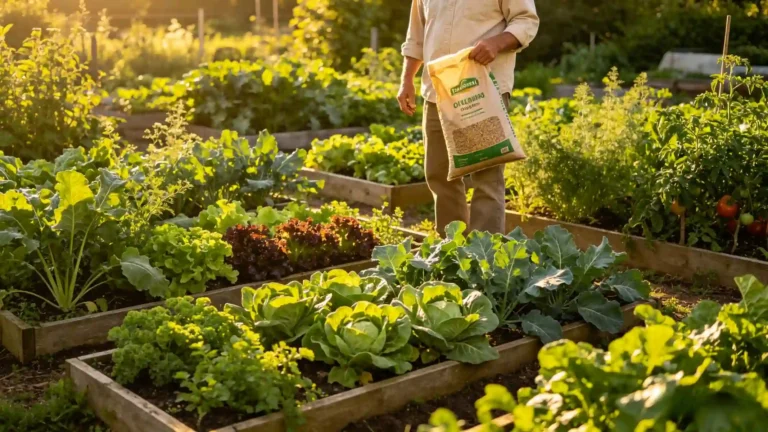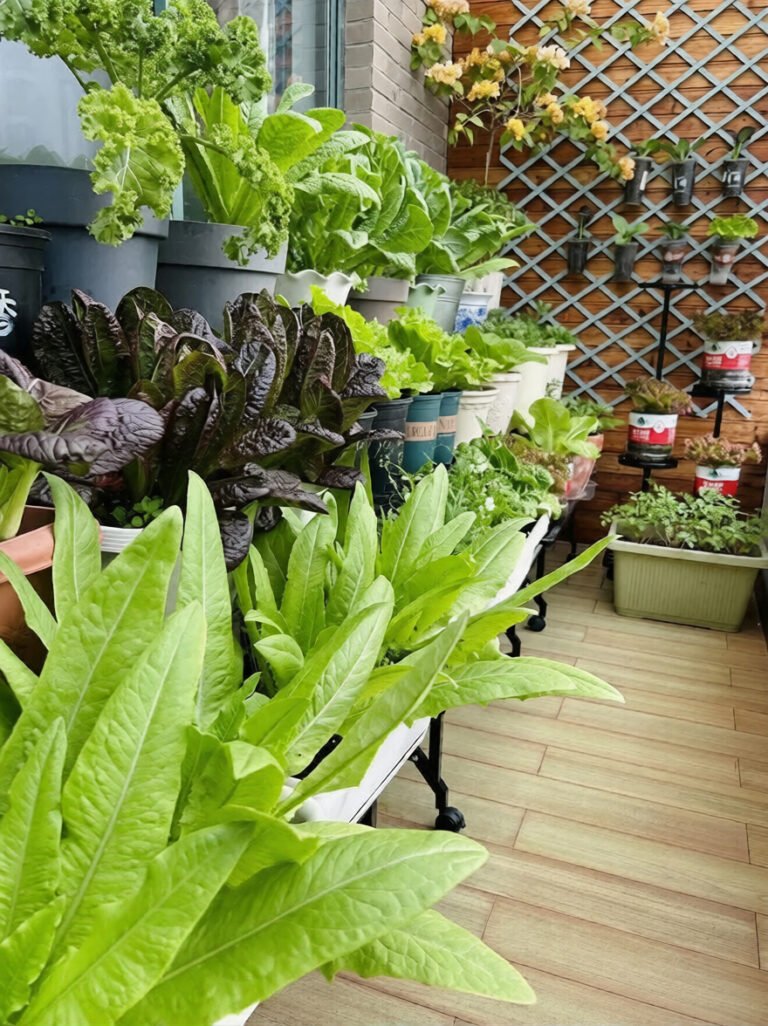
- The Three Numbers That Unlock Everything About Fertilizers for Vegetable Garden
- The Two Camps: Organic vs. Synthetic (And Why You Need Both)
- Decoding the Garden Center Aisle: What to Actually Buy
- Your Step-by-Step Schedule for Fertilizing the Vegetable Garden
- What About Liquid vs. Granular?
- Three DIY Fertilizers You Can Make for Free
- Avoid These 5 Rookie Mistakes
- Frequently Asked Questions About Fertilizer for Vegetable Garden
Wondering which fertilizer for vegetable garden actually works without turning your soil into a science experiment? You have probably stood in the garden center aisle, staring at bags labeled with mysterious numbers like 10-10-10 and 4-4-4, while your neighbor swears by chicken manure and your cousin tells you chemical fertilizer is the only way to go. This guide cuts through the noise. By the time you finish reading, you will know exactly what to grab, when to use it, and how to avoid the mistakes that wreck a perfectly good tomato plant.
The Three Numbers That Unlock Everything About Fertilizers for Vegetable Garden
Before you buy another bag of anything, let’s make sense of those three digits plastered on every package of garden fertilizers for vegetables. They stand for nitrogen (N), phosphorus (P), and potassium (K), in that order.
Think of them this way, and fertilizing the vegetable garden suddenly gets a lot less confusing.
Nitrogen (N) is for leaves. When your lettuce looks pale and your kale refuses to grow, nitrogen is what it is screaming for.
Phosphorus (P) is for roots, flowers, and fruit. This is the element that tells your pepper plants to stop being lazy and start producing.
Potassium (K) is for overall toughness and flavor. It makes stems strong, helps plants fight off diseases, and gives tomatoes that rich, sweet taste you actually want.
Get this foundation right, and selecting the right fertilizer garden vegetables crave becomes second nature. Understanding what type of fertilizer for vegetable garden matches your specific plants is the difference between a sad, yellow mess and a thriving patch of green.
The Two Camps: Organic vs. Synthetic (And Why You Need Both)
When you are figuring out how to fertilize vegetable garden beds properly, you will run into two schools of thought. Some folks act like synthetic fertilizer is poison, and others act like shoveling manure is a waste of time. The truth is they work best as a team.
Organic Fertilizers: The Soil Builders
These are your composts, aged manures, bone meal, and blood meal.
– The Good Stuff: They feed the soil, not just the plant. They improve soil structure so roots can breathe and water drains well. Vegetables grown in rich organic soil just taste better. Period.
– The Catch: They take time to break down. And raw manure is a rookie mistake. You must use composted or aged manure when you fertilize vegetable garden soil, or the fresh stuff will heat up and fry your roots.
Synthetic Fertilizers: The Quick Fix
These are your granular blends and water-soluble powders.
– The Good Stuff: They work fast. If your plants look like they are about to give up on life, a dose of water-soluble fertilizer for a vegetable garden can green them up in days.
– The Catch: They do nothing for your soil health. Overdo it, and you end up with compacted dirt and veggies that taste like cardboard.
The smart play for fertilizing vegetable garden plots is to use organic matter as your baseline and synthetic options as a targeted boost.
Decoding the Garden Center Aisle: What to Actually Buy
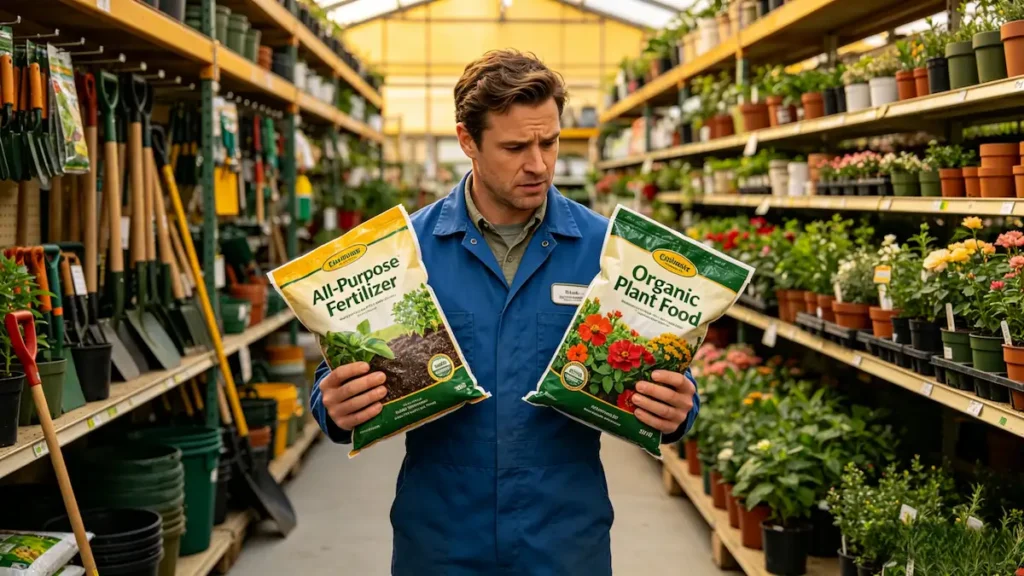
Walking past the shelves of garden fertilizer for vegetables can feel overwhelming. Here is a cheat sheet for the common stuff you will see.
Manures (The Heavy Lifters)
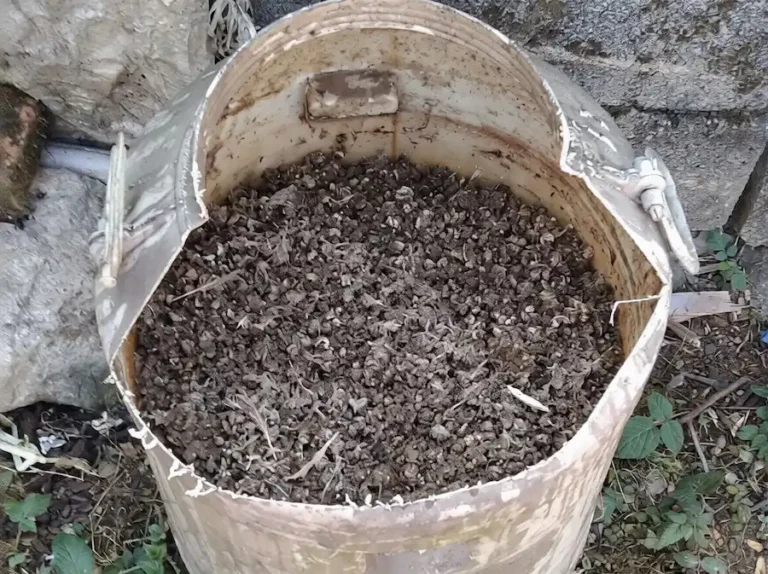
- Chicken Manure: This stuff is potent. High in nitrogen. Perfect for heavy feeders like corn and tomatoes, but only if it is composted. Raw chicken manure is a root-burning disaster waiting to happen when you fertilize vegetable garden beds with it.
- Sheep or Goat Manure: The gentle giant. It is less “hot” than chicken manure and rich in organic matter. Great for leafy greens and container gardening.
- Cow Manure: Low in nutrients compared to chicken, but it is fantastic for breaking up heavy clay soil.
- Animal Byproducts (The Specialists) – Blood Meal: This is basically pure nitrogen in a bag. It is your secret weapon for leafy greens like spinach and chard. It is a strong fertilizer for garden vegetables that you want to be lush and green. And yes, the rumor is true: sprinkling it around can sometimes deter rabbits and deer.
- Bone Meal: Packed with phosphorus and calcium. This is the go-to best fertilizer for vegetable garden before planting, especially for tomatoes and peppers. It encourages strong root development right out of the gate.
- Seaweed and Fish Emulsion These are the multivitamins of the best all purpose vegetable garden fertilizer world. They are loaded with trace minerals that you do not get in standard N-P-K mixes. The only downside to fish fertilizer? It smells exactly like you think it would. Use it, water it in, and maybe warn your neighbors.
- All-Purpose Blends (The No-Brainers) If you want to keep it simple, grab a bag labeled as the best all purpose fertilizer for vegetable garden. Look for a balanced ratio like 4-4-4 or 10-10-10. This is the best all around vegetable garden fertilizer for someone who just wants to grow food without a chemistry degree. Some blends even include beneficial microbes to make the best all around fertilizer for vegetable garden work even harder. For a deep dive into specific product recommendations, check out our guide on the best vegetable garden fertilizer options available this season.
Your Step-by-Step Schedule for Fertilizing the Vegetable Garden
This is the part of fertilizing vegetable garden management that separates the weekend hobbyist from the neighbor with the overflowing zucchini harvest. Knowing when to fertilize a vegetable garden is just as important as knowing what to use.
Step 1: Before You Plant a Single Seed (The Foundation)
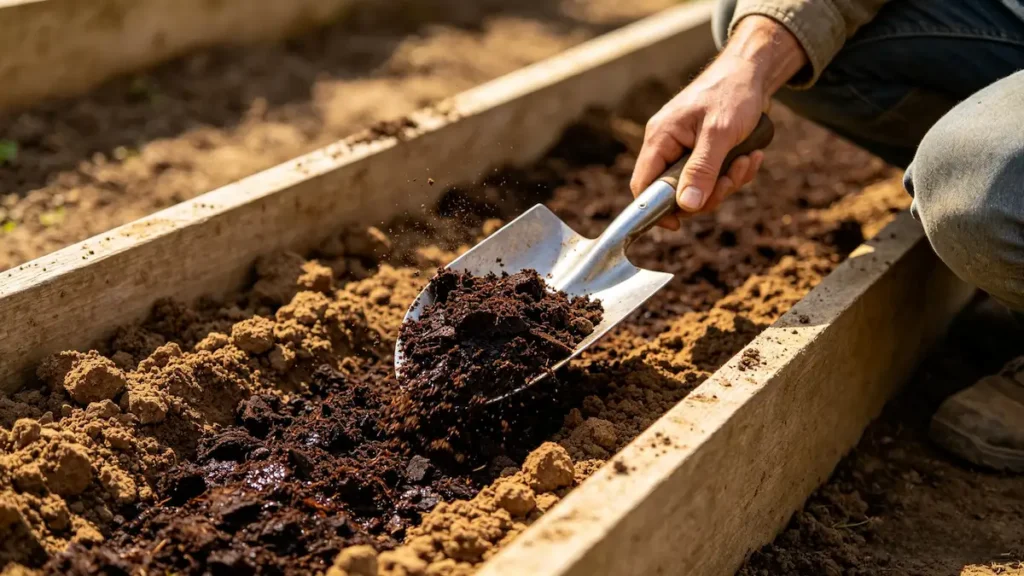
This is where you apply 70% of your total season’s food. Before you put plants in the ground, spread 2 to 3 inches of fertilizer safe for vegetable garden use—like composted sheep manure or mushroom compost—over the entire bed. Mix it into the top 6 inches of soil. Water the bare soil and let it rest for 3 to 5 days. If you are wondering what fertilizer to use for garden vegetables at this stage, the answer is always compost.
Step 2: The Seedling Stage (Gentle Nudges)
Once your plants have 3 to 4 true leaves, they are hungry but delicate. You might wonder what is a good fertilizer for vegetable garden at this point. A diluted fish emulsion or a weak solution of water-soluble fertilizer works perfectly.
Rule of Thumb: It is better to under-feed than over-feed here. Burned seedlings never recover their full potential.
Step 3: The Mid-Season Push (Fruiting and Flowering)
This is when you stop focusing on what is a good vegetable garden fertilizer for leaves and start thinking about fruit. When you see flowers forming on your tomatoes or peppers, switch to a blend lower in nitrogen and higher in phosphorus and potassium. If you are stuck on what fertilizer to use for vegetable garden plants that are fruiting, look for a tomato-specific formula or an organic bone meal supplement.
Step 4: After the Harvest (The Recovery Meal)
Many people forget what fertilizer to use in vegetable garden beds after they pick the first round. After you harvest leafy greens, give them a light nitrogen boost to encourage a second flush of growth. After you harvest beans or squash, give them potassium to strengthen them for the next round of production. If you are unsure about frequency, read up on how often to fertilize vegetable garden for steady, season-long results.
What About Liquid vs. Granular?
This is a common question when planning what fertilizer to use on vegetable garden plots.
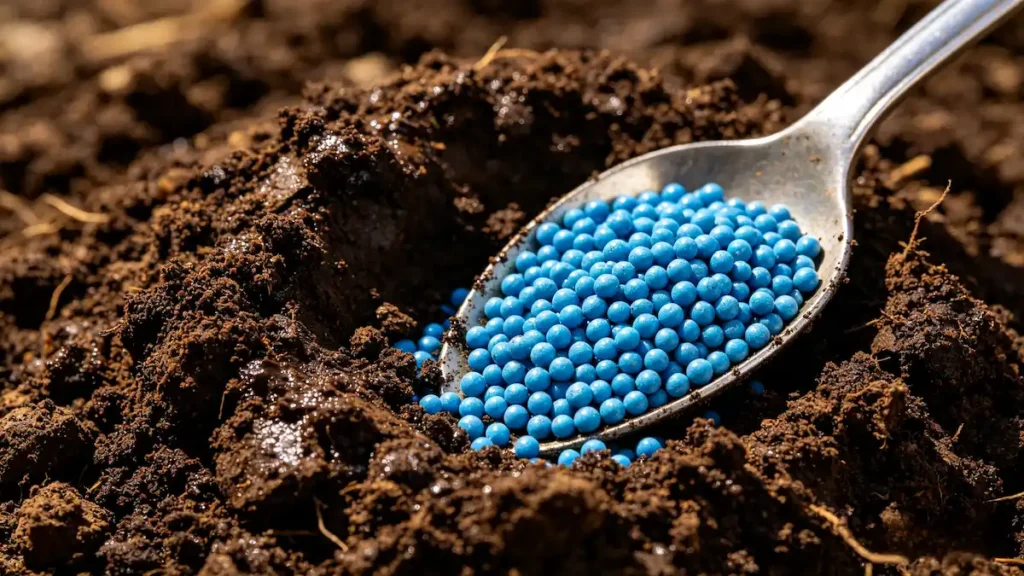
Granular Fertilizer: Sprinkle it on the soil surface and water it in. It is a slow release. Think of it as a time-release capsule for your soil. This is what is a good fertilizer for a vegetable garden if you are a “set it and forget it” gardener.
Water-Soluble Fertilizer: You mix this with water in a watering can. Plants absorb it instantly through roots and leaves. This is ideal for a quick green-up or for plants growing in pots.
Three DIY Fertilizers You Can Make for Free
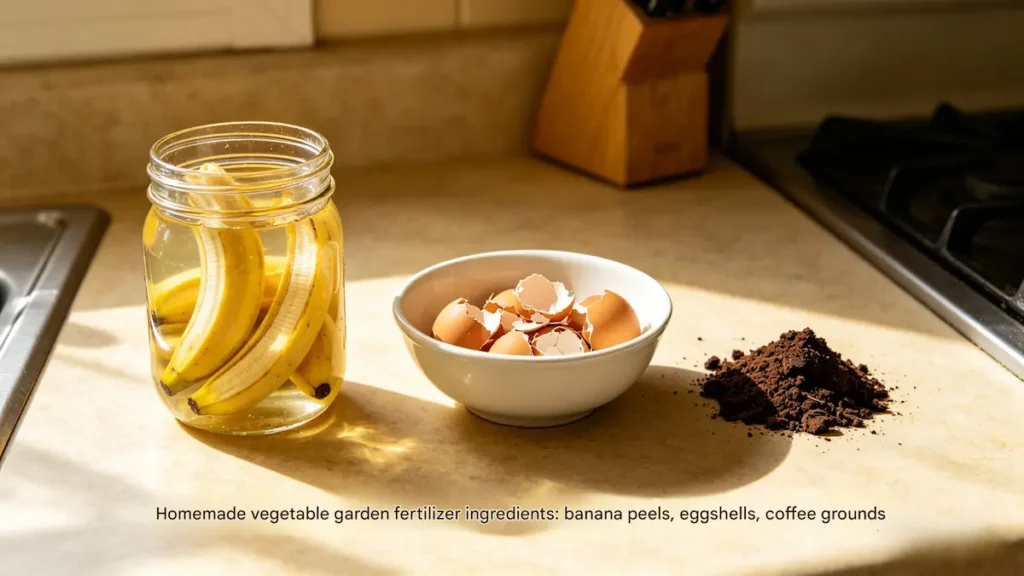
You do not always have to reach for the store-bought bag when deciding what kind of fertilizer for vegetable garden beds to use. You likely have the ingredients in your kitchen right now.
1. Used Coffee Grounds
Sprinkle them lightly around acid-loving plants like blueberries or tomatoes. They add organic matter and a tiny bit of nitrogen. Do not go crazy piling them on, or you might affect the soil pH.
2. Crushed Eggshells
If you have ever seen the bottom of a tomato turn black and leathery (Blossom End Rot), that is a calcium deficiency. Rinse eggshells, let them dry, crush them into a powder, and work them into the soil near your plants. This is a fantastic, slow-release fertilizer safe for vegetable garden calcium needs.
3. Banana Peel Soak
Chop up a banana peel and soak it in a jar of water for a few days. Use that water on your flowering plants. It is a gentle potassium boost. This is an old-school trick for fertilizing garden vegetables that are heavy bloomers.
Avoid These 5 Rookie Mistakes
Even with what’s the best fertilizer for vegetable garden on paper, execution matters.
Mistake #1: The Raw Manure Meltdown. You bought fresh chicken poop and tilled it in right before planting. You will watch your plants curl up and die within a week. Always use aged or composted manure.
Mistake #2: More is Better. If the bag says use 1 scoop, using 3 scoops does not make tomatoes grow 3x bigger. It makes them dead. Follow the label instructions.
Mistake #3: Forgetting the pH. You can pour what’s the best fertilizer for vegetable garden all you want, but if your soil pH is way off (too acidic or too alkaline), the plant cannot absorb the nutrients. A cheap soil test kit saves years of frustration.
Mistake #4: Feeding the Wrong Stage. Giving high-nitrogen fertilizer to a tomato plant covered in flowers is like giving a marathon runner a sleeping pill. You will get a gorgeous, 8-foot-tall green bush with zero tomatoes.
Mistake #5: Watering Wrong. Fertilizer needs water to dissolve and travel to the roots. If you sprinkle granular food on dry dirt and walk away, you might as well have thrown your money in the trash.
Frequently Asked Questions About Fertilizer for Vegetable Garden
Q: Can I just use one single product all year long?
A: You can, and many people do. Look for an organic granular product labeled as the best all around fertilizer for vegetable garden. It will have a balanced N-P-K ratio and some added micronutrients. While you might get slightly better results switching between blends, a consistent all-purpose food will still give you a very respectable harvest. For a curated list, see what fertilizer for vegetable garden we recommend.
Q: Is chemical fertilizer unsafe for my family?
A: The vegetable itself does not know if the nitrogen came from a cow or a factory. The safety concern is usually about over-application and environmental runoff. If you follow the label directions for fertilizer safe for vegetable garden use and wash your veggies before eating, you are fine.
Q: How much does good fertilizer cost?
A: A 4-pound bag of organic all-purpose vegetable fertilizer (like a 4-4-4 blend) runs about ¥105 to ¥140 ($15 to $20 USD). A cubic foot of composted cow manure (roughly 25 pounds) is usually cheaper, around ¥35 to ¥55 ($5 to $8 USD) at big box stores. For a small 10×10 foot garden, a $30 USD (about ¥210) investment in soil amendment and feed can produce hundreds of dollars worth of produce.
Q: What is the easiest method for a beginner who is just fertilizing garden vegetables for the first time?
A: Mix a high-quality compost into the soil before planting. Water once a week with a diluted fish emulsion. That is it. You will have better results than 80% of first-time gardeners who try to get too fancy with synthetic mixes. If you want to dig deeper, our vegetable garden fertilizer guide covers every detail.
The truth about gardening is that the plants do most of the work. You are just the waiter, bringing them what they ordered. Listen to your leaves, watch your soil, and when in doubt, feed the dirt, not just the plant. Now go get your hands dirty. Those seeds are waiting on you.