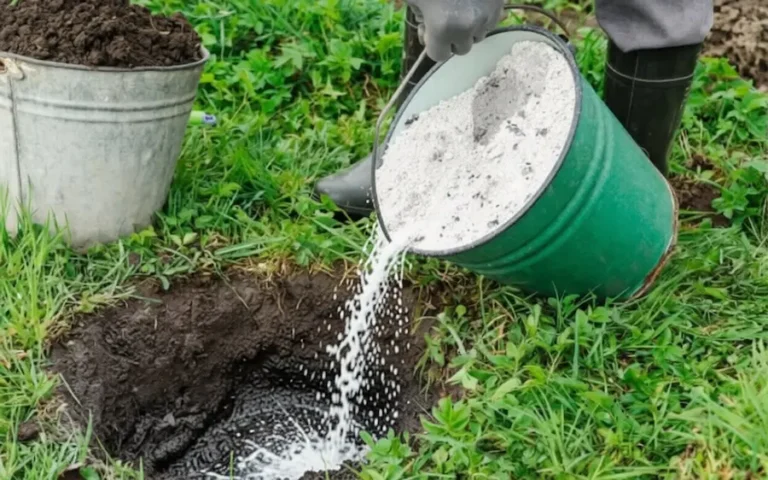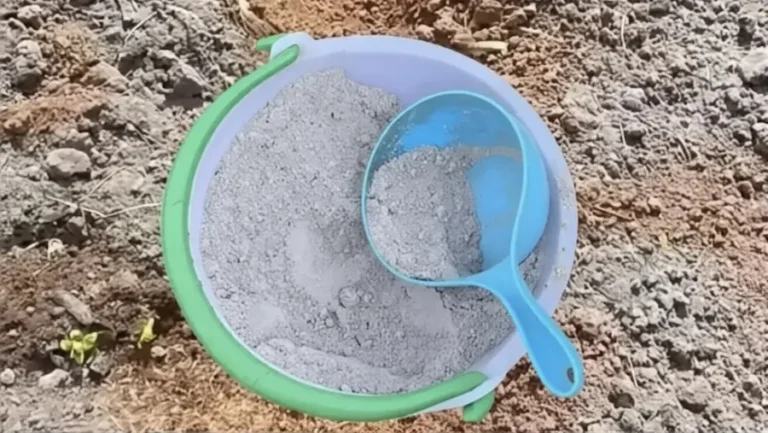
If you’ve ever wondered when to apply fertilizer to vegetable garden beds for the best results, you’re not alone. Understanding when to apply fertilizer to vegetable garden soil isn’t about following strict rules—it’s more like knowing exactly what your plants are hungry for and serving it up at just the right moment. A little observation and a bit of know-how go a long way. Getting clear on when to apply fertilizer to vegetable garden beds makes all the difference between a struggling patch and one that thrives.
Maybe you’ve planted before and ended up with pale, spindly tomatoes or leafy greens that never seemed to grow past the seedling stage. That often comes down to timing. Once you understand when to apply fertilizer to vegetable garden beds during each stage of their life, the whole process starts to feel much more natural. Let’s walk through those stages one by one.
Before You Sow or Transplant: Set the Foundation
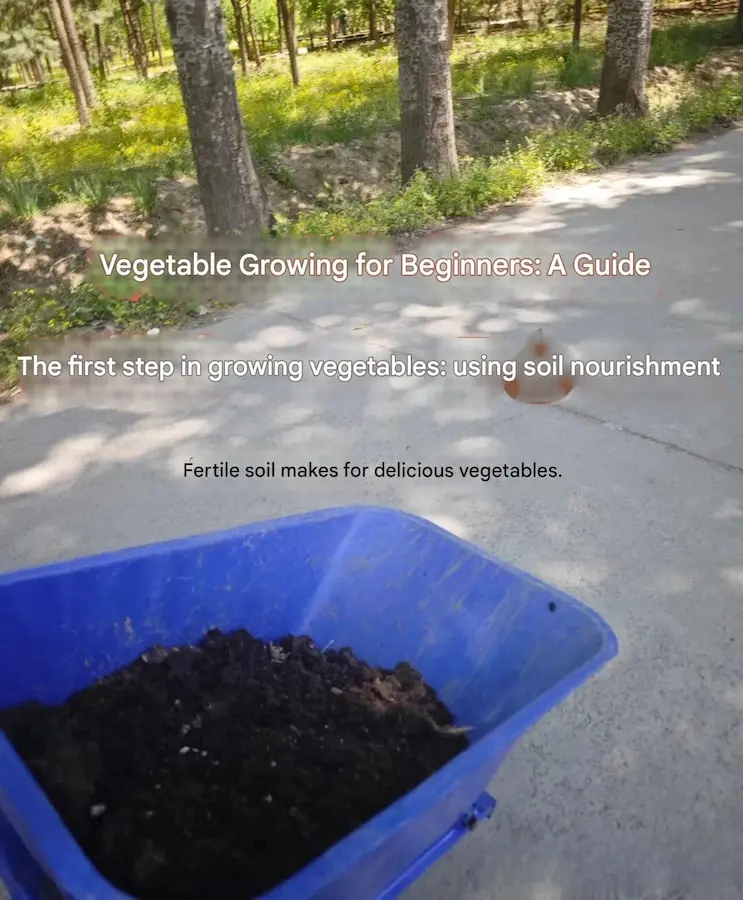
Think of this step as building a solid pantry for your future garden. Before you plant in spring or fall, it’s all about getting the base ready. That’s when you work in what many gardeners call “starter” or “base” fertilizer.
Spread a layer of well-rotted manure, compost, or an all-purpose granular fertilizer over your soil. Aim for about 5 inches of depth when you turn it in. Water everything deeply afterward. That single soak wakes up the soil and gives your seedlings or seeds a full kitchen to draw from as soon as they settle in.
Seedling Stage: A Gentle Boost
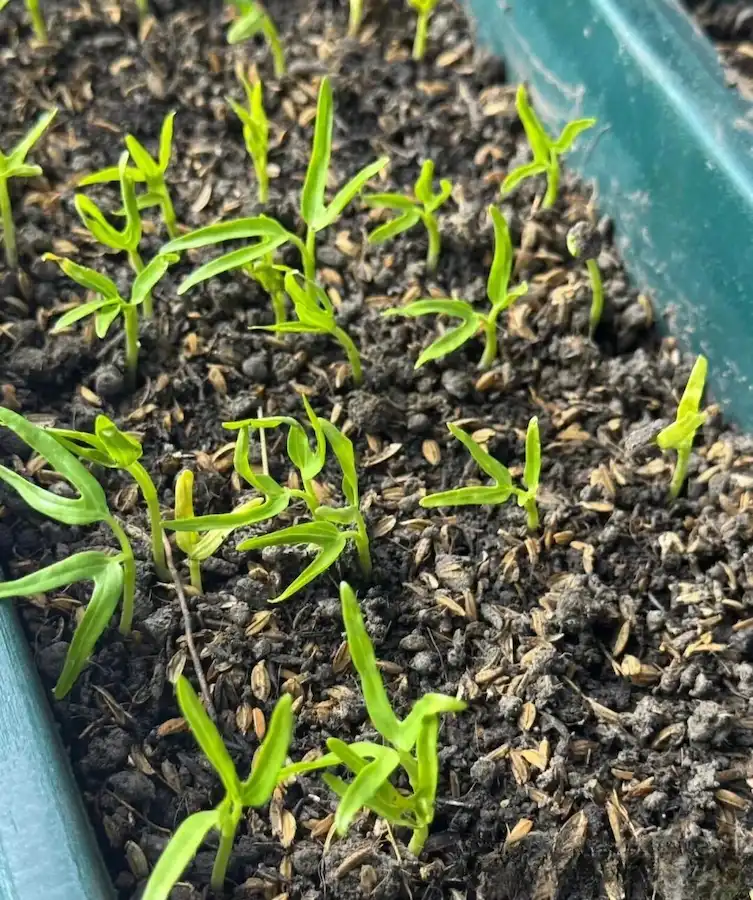
Once your seedlings have three or four true leaves, or about one to two weeks after transplanting, it’s time for a light feeding. If you’re still figuring out when to apply fertilizer to vegetable garden starts again, this is it—young plants are like growing kids, so they need steady energy.
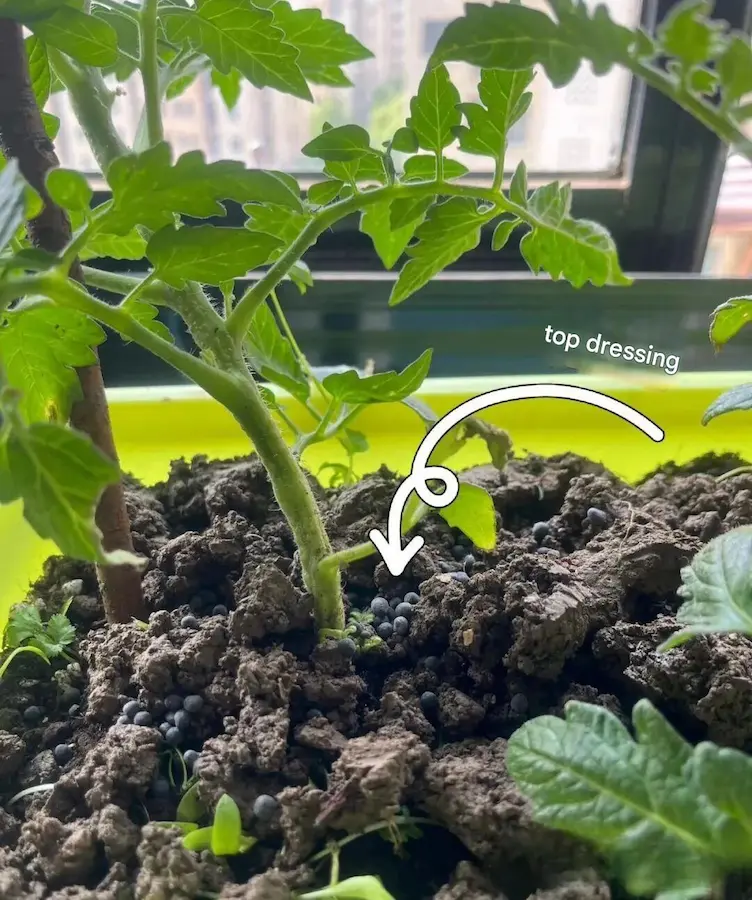
Use a diluted liquid fertilizer or a slow-release blend. Gently work it into the soil around the base of the plants, not on the leaves—wet leaves can burn under the sun. If you’re growing leafy greens like lettuce or spinach, they’ll appreciate a little extra nitrogen right about now. For more ideas on keeping your plants healthy, check out these garden tips.
Active Growth: The Main Meals
This is the stage where things really take off. Knowing when to apply fertilizer to vegetable garden plants during their most vigorous growth phase helps you hit their peak needs. For most vegetables, you’ll want to offer food every three to four weeks. But not all plants want the same thing.
Leafy greens keep craving nitrogen to push out those tender, vibrant leaves. So if you’re tending lettuce, chard, or kale, give them that boost regularly during early spring and mid-growth.
Fruiting crops like tomatoes, cucumbers, and squash shift gears. Right before flowers appear, when tiny fruits start forming, and again as fruits swell, phosphorus and potassium become your best friends. Phosphorus encourages more blooms, and potassium helps fruit grow firmer and sweeter. Go easy on nitrogen here—too much and you’ll end up with lush leaves but fewer tomatoes. If you also enjoy growing flower garden varieties alongside your veggies, many of the same timing rules apply.
Root vegetables such as carrots and radishes have their own agenda. When the roots start bulging, they’re after potassium to grow plump and sturdy.
Through Harvest: Keeping Momentum
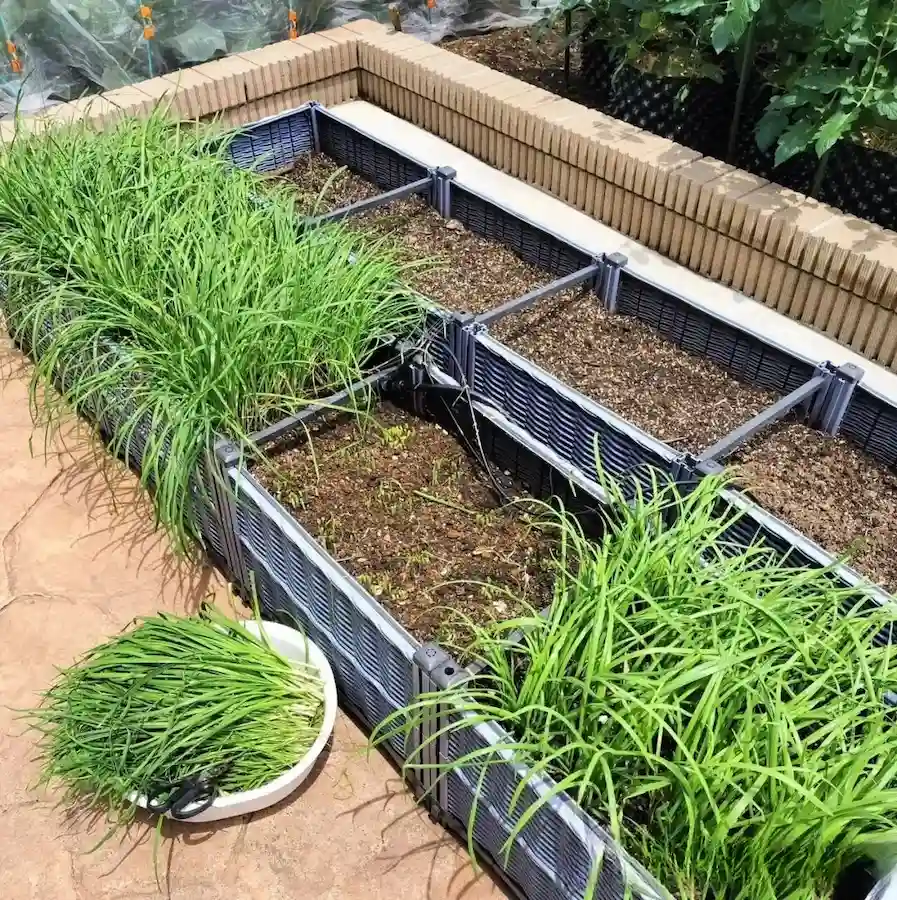
If your vegetables keep producing over time—think kale you cut again and again, or strawberries that fruit in waves—they need a refuel after each picking. This is another moment where when to apply fertilizer to vegetable garden harvests matters just as much as the early stages. A bit of nitrogen brings leafy greens back with fresh, tender leaves. For fruiting plants, a sprinkle of potassium helps support the next round of flowers and fruits.
A Few Hands-On Tips
Your plants will tell you what they need if you keep an eye on them.
Leaves growing slowly or looking pale yellow? That often means hunger for nitrogen.
Yellow edges or crispy leaf tips? Could be a potassium gap.
Older leaves taking on a dark green or purple tint? Might be low on phosphorus.
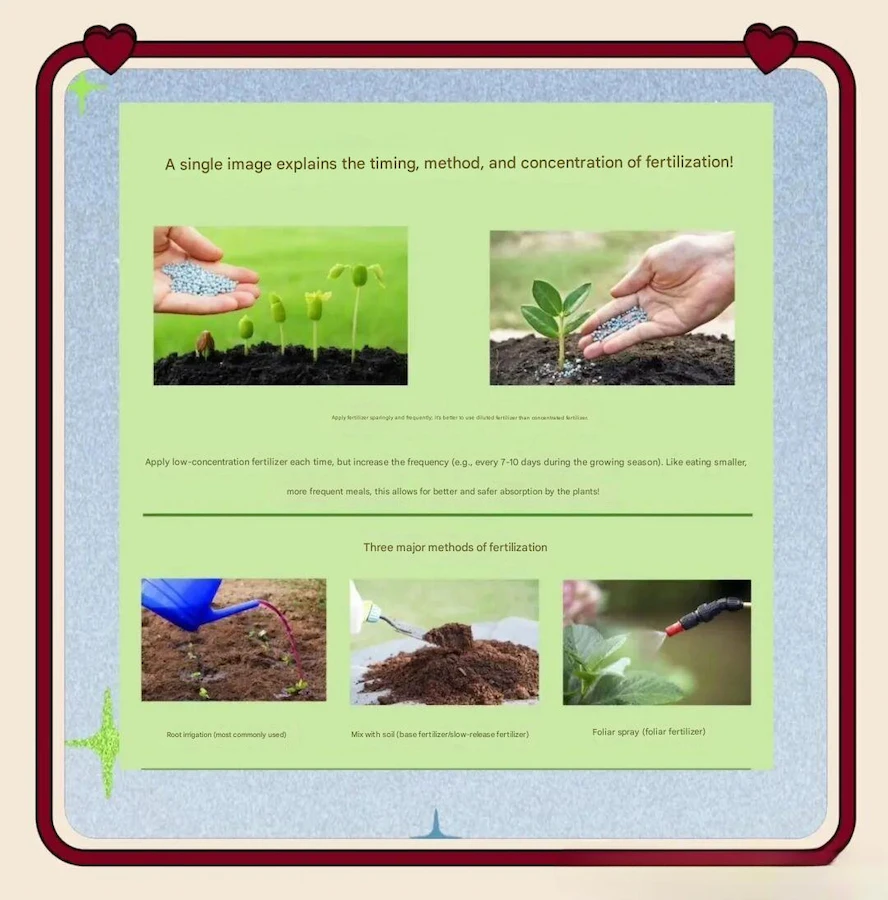
When you notice these signs, that’s your cue to act. Spotting yellow leaves early can help you adjust your feeding before the problem spreads.
Pick a calm, cool morning for feeding. Avoid hot midday sun or windy days—that’s when fertilizer can drift or evaporate before your plants get the benefit. If heavy rains roll through, nutrients can wash out faster than usual, so you may want to adjust your feeding schedule. Thinking about when to apply fertilizer to vegetable garden beds around weather patterns is a simple way to get better results.
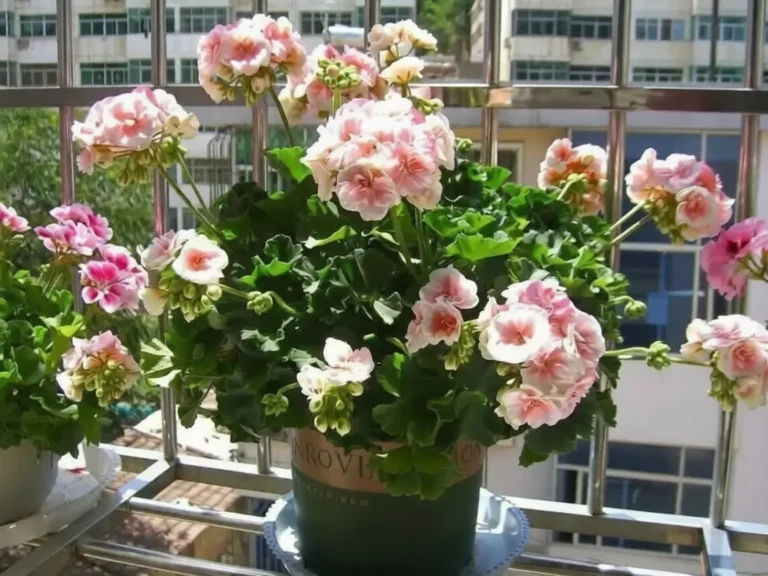
As for what to feed, organic options like compost, well-aged manure, or fish and kelp blends are solid choices. They feed your plants while improving the soil beneath them. If you’re gardening in containers or on a balcony, balcony gardening for beginners often means watering more frequently, which can leach nutrients faster. Those plants will rely on you for more regular feeding. Even experienced Balcony Gardening enthusiasts know that container plants need extra attention when deciding when to apply fertilizer to vegetable garden pots.
And one more thing—try to steer clear of nitrate-heavy fertilizers, especially for leafy greens. It’s an easy step to keep your harvest healthier for everyone at the table.
There’s no perfect calendar that works for every garden. What matters most is walking out to your vegetable patch regularly, noticing what’s thriving and what’s struggling, and feeding with intention. When you give your plants what they need, exactly when they need it, the payoff comes in baskets full of crisp greens and sun-warmed tomatoes. And honestly, that feeling never gets old. So go ahead—grab your gloves and spend a few minutes in the garden today. Your plants will thank you.