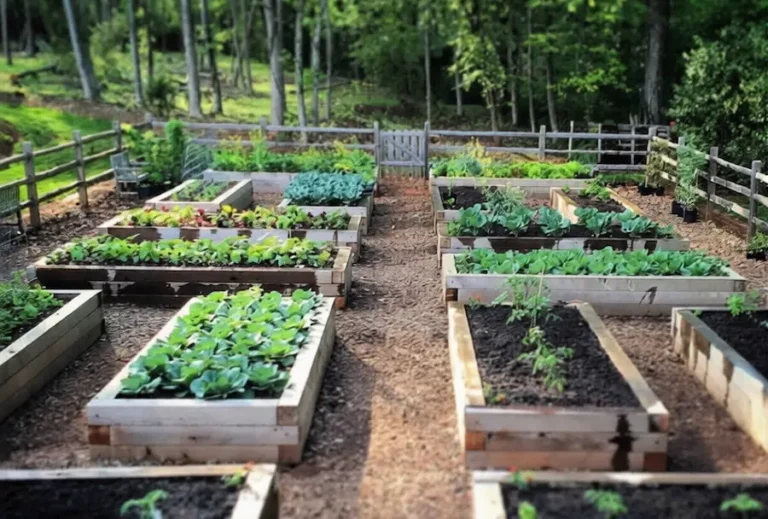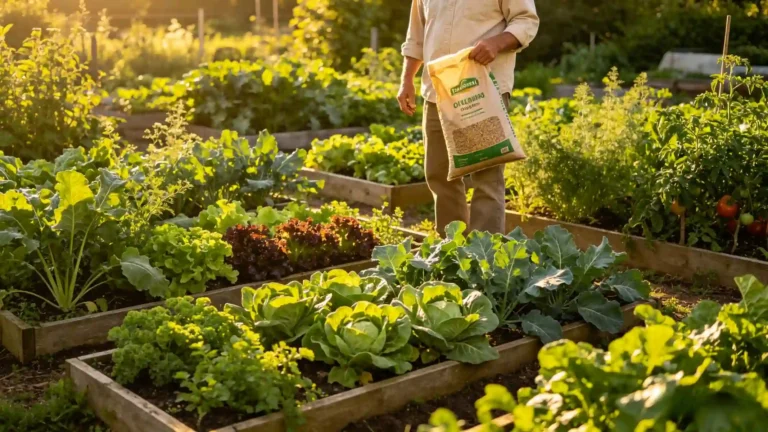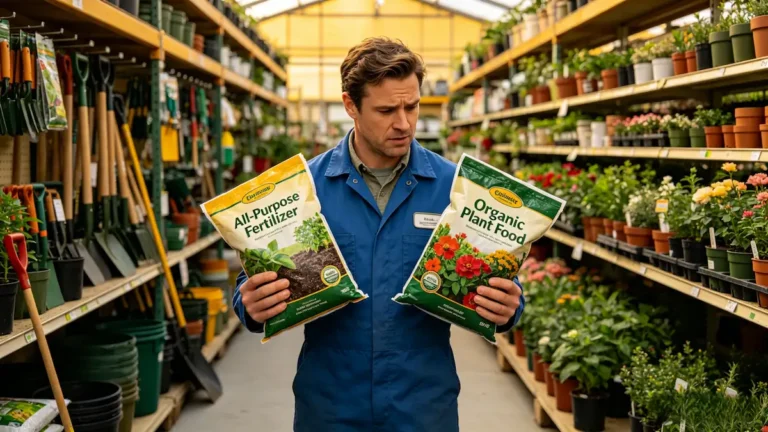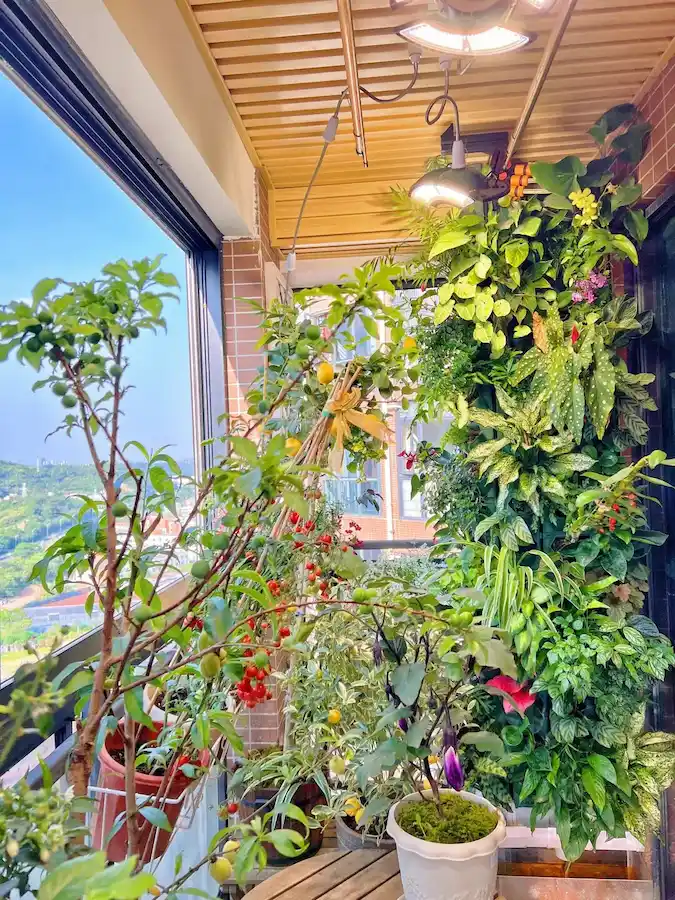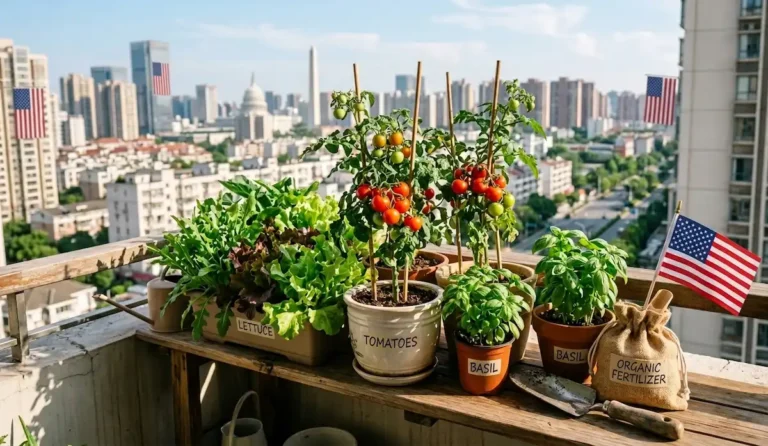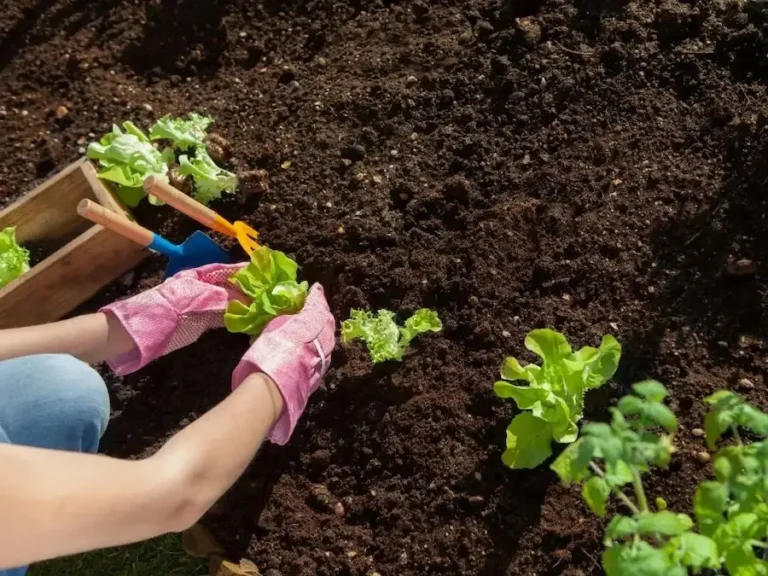
If you’re just starting your first vegetable garden—whether it’s a backyard plot or a container vegetable gardening setup on your patio—chances are you’ve asked yourself the same question so many beginners do: what’s the best vegetable garden fertilizer? The honest answer? It’s a lot like cooking—there’s no single “best” ingredient, just the right one for what you’re making. This guide will walk you through the most common options so you can pick what works for your soil, your plants, and your style, helping you find the best vegetable garden fertilizer for your unique space.
Manure: The Foundation of a Healthy Garden
If you take away only one idea from this guide, let it be this: a strong start comes from what you put in the soil before you even plant. That’s where manure comes in. It’s widely considered the best vegetable garden fertilizer for building healthy ground, and it earns that reputation by feeding your plants while improving your soil over time.
Composted Sheep Manure
Sheep manure is balanced, gentle on plants, and surprisingly low-odor. It won’t burn your seedlings—a common worry for new gardeners—and it helps break up heavy clay soil. Use it for just about anything: leafy greens, tomatoes, carrots, you name it. Mix it into the soil before planting, or sprinkle a little around growing plants as a top-up. For those focused on finding the best vegetable garden fertilizer that won’t overwhelm young plants, this is a fantastic place to start.
Composted Chicken Manure
Chicken manure is high in nitrogen, which makes it fantastic for leafy crops like lettuce and spinach. One rule you don’t want to skip: only use it if it’s composted. Fresh chicken manure is too strong and can easily burn plant roots. Use it in moderation—too much, and you’ll get plenty of leaves but not many fruits. If you’re growing in a smaller space like a balcony garden, this option works well as long as you keep quantities light.
Bird Guano – A Surprising Standout
You might not expect bird guano to be in the conversation for the best vegetable garden fertilizer, but many gardeners who try it say it outperforms the usual options. It builds strong, sturdy plants, and once you use it, you’ll likely find you don’t need synthetic fertilizers at all. Just know it can have a strong smell at first, so let it sit before using. For seedlings, dilute it more than you think you need to; as plants mature, you can increase the strength. Water it in, and you’ll often see results within a week or two.
Worm Castings
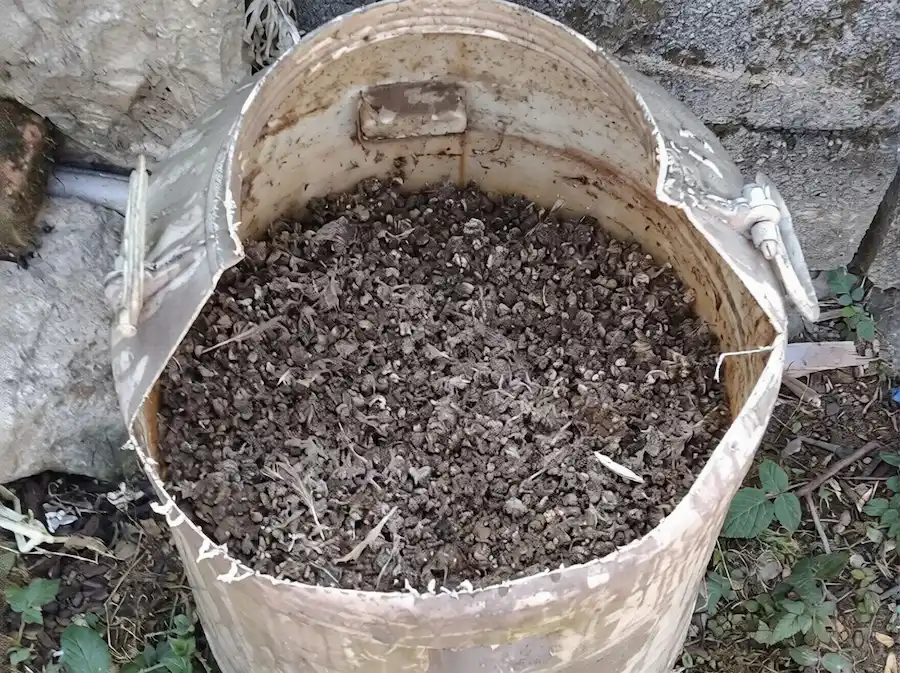
Gardeners often call worm castings “black gold,” and for good reason. They’re packed with nutrients and beneficial microbes, release slowly, and help suppress certain soil-borne diseases. They’re so gentle you can use them directly on young seedlings or fussy plants like peppers and tomatoes. Sprinkle on top of the soil or mix with water and pour it on. Many experienced growers argue that worm castings alone can serve as the best vegetable garden fertilizer for starting seeds or nurturing sensitive transplants.
Compost
If you’d rather not spend money on bagged products, making your own compost is the way to go. Kitchen scraps like veggie peels, along with leaves and grass clippings, break down over a few months into a rich, all-purpose soil booster. Use it as a base layer before planting or as a side dressing mid-season. Skip meat, dairy, or oils—they attract pests and take forever to break down. When you’re thinking about the best vegetable garden fertilizer for long-term soil health, homemade compost is hard to beat.
Synthetic Fertilizers: Helpful When You Need Them
Think of manure and compost as your main crew, and synthetic fertilizers as the backup. They’re useful in a pinch, but they don’t do the long-term soil work that organic matter does.
Balanced Fertilizer
If you’re running low on compost or manure, a balanced synthetic option can fill in the gaps. Look for something labeled with an even ratio like 15-15-15 (that’s nitrogen, phosphorus, and potassium). For crops like cabbage or carrots, if you have only half the manure you’d like, mix the rest with a balanced fertilizer—about ¼ to ½ cup per 10 square feet, worked into the top few inches of soil. One thing to keep in mind: relying only on synthetic fertilizers over time can make soil compact, especially during hot weather when roots need air. Even when using synthetics, many gardeners still consider compost the best vegetable garden fertilizer foundation.
Quick-Release Nitrogen Fertilizer
Consider this your garden’s emergency kit. If seedlings look pale and aren’t growing well, or if transplants seem stuck in place after moving them to the garden, a quick shot of nitrogen can turn things around. Urea is a common choice. Mix about 1 teaspoon per gallon of water and water it into the soil in the evening.
Two things to remember: never apply in the midday heat, or the fast evaporation can concentrate the solution and burn leaves. Also, use it mainly for leafy greens and young seedlings. Once tomatoes or cucumbers start fruiting, go easy—too much nitrogen and you’ll get all vines, no vegetables. Understanding how often to water vegetable garden beds also matters here, since proper moisture helps plants absorb any fertilizer more effectively.
Homemade Fertilizers: Simple and Budget-Friendly
If you’re aiming to grow organically or just like keeping things low-cost, homemade options can be surprisingly effective.
Soybean Water
Soak cooked soybeans in water and let them ferment for about two weeks. Dilute with five parts water to one part of your mixture and use it to water your vegetables. It’s rich in nitrogen, phosphorus, and potassium—perfect for young, actively growing plants. Once a month is plenty.
Eggshells for Calcium
If your tomatoes ever show dark, sunken spots on the bottom, that’s a sign of calcium deficiency. Crush up eggshells and mix them right into the soil. It’s a simple fix that works.
Banana Peel Fertilizer
Banana peels bring plenty of potassium, which supports flowers and fruit. Chop a few peels, cover with about three times their volume in water, and let them sit for a week. Dilute 1 part of that liquid with 20 parts water and use it once a week once your plants start blooming. Even if you primarily grow balcony flowers, this potassium boost can make a noticeable difference in how long blooms last.
One important note: always let homemade fertilizers break down fully before using them, and stick to lighter dilutions to avoid burning roots.
Matching Fertilizer to What You’re Growing
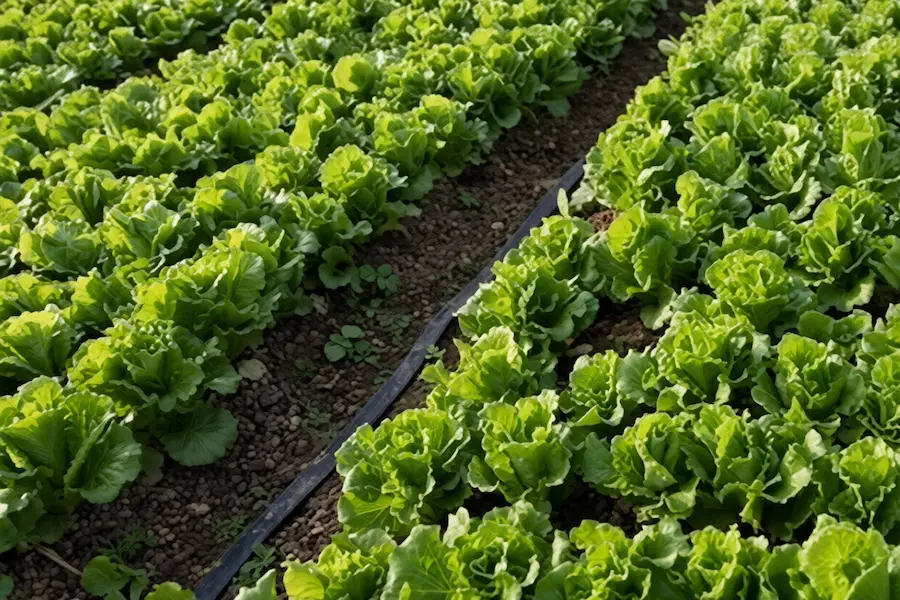
Leafy greens like lettuce and spinach: these love nitrogen. Composted chicken manure is a great fit.
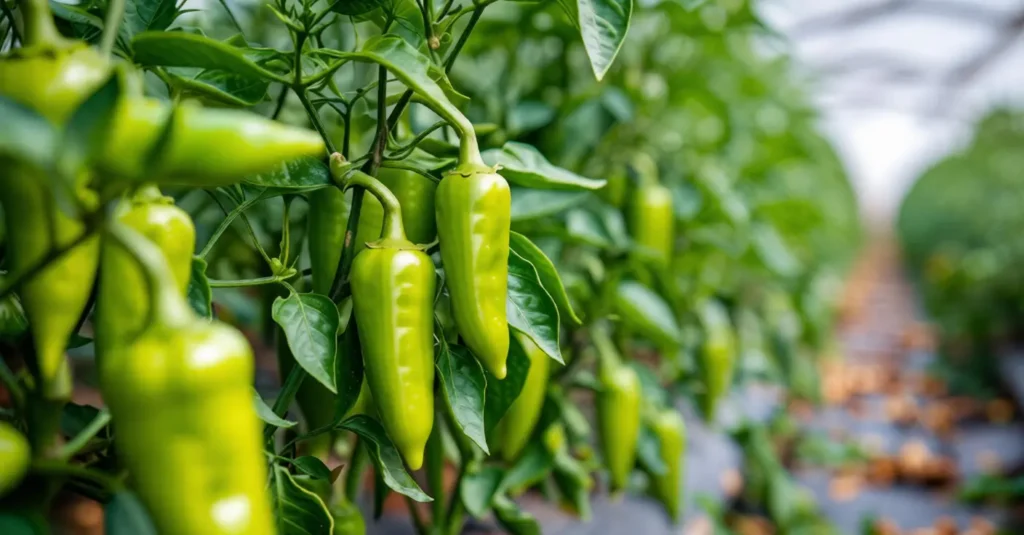
Fruiting crops like tomatoes, cucumbers, peppers, and beans: they need more phosphorus and potassium to set flowers and produce well. Start with sheep manure or compost at planting, and add bone meal just before flowering. Bone meal is high in phosphorus, which helps grow larger, tastier fruit, especially in acidic soils. Whether you’re growing in-ground or doing container vegetable gardening, this same principle applies.
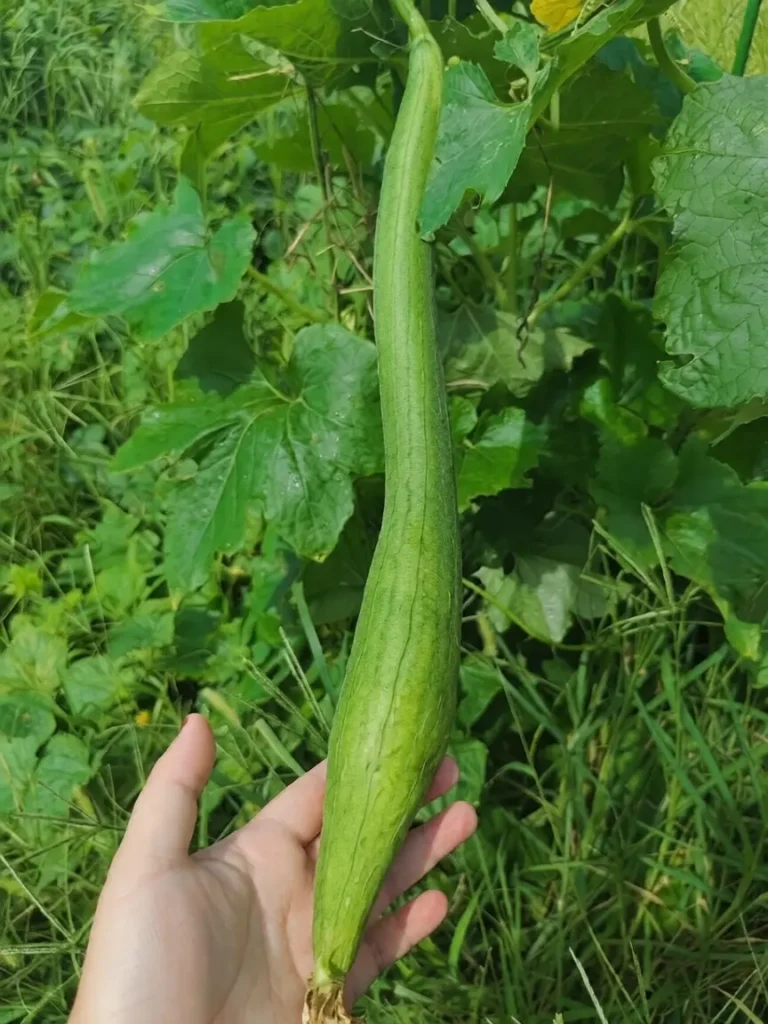
Root crops like carrots and radishes: focus on good base fertility. Too much extra feeding later can cause roots to split or push too much leafy growth at the expense of what’s underground.
Three Fertilizers That Cover Most Gardens
Honestly, you don’t need a shelf full of products. Most home gardens do just fine with these three:
Manure or compost – your main foundation for healthy soil and steady nutrition.
Balanced synthetic fertilizer – a reliable backup if you’re short on compost for the season.
Quick-release nitrogen – your fix for pale, slow-growing seedlings or transplants.
With these on hand, you’ll be set whether you’re growing tomatoes, cucumbers, or a whole bed of leafy greens. Local conditions vary—if you’re in a rainy area, a bit more manure helps with drainage. In drier climates, go easy on quick-release nitrogen to keep salt buildup in place. And if you’re exploring new ideas for your outdoor space, whether it’s flower gardening alongside your vegetables or focusing entirely on edibles, starting with solid soil nutrition makes everything easier.
There’s nothing quite like walking out to your garden and picking vegetables you grew yourself. Try a few of these approaches, see what clicks with your soil, and enjoy the harvest ahead.