- Cracking the Code: What Those Three Numbers on the Bag Really Mean
- Organic vs. Synthetic: Choosing Your Garden's Fuel
- Going Natural: The Magic of Organic Fertilizers
- Manure: Nature's Original Fertilizer
- Kitchen Scrap Power: DIY Fertilizers
- Meals from the Butcher Shop: Bone and Blood
- Ocean and Fish Solutions
- The Modern Approach: Synthetic Fertilizers
- Forms of Synthetic Food
- Matching the Formula to the Crop
- A Simple Feeding Schedule for a Bountiful Harvest
If you’re searching for the best fertilizer for garden vegetables to turn your backyard into a lush, productive oasis, you’ve come to the right place. Finding the best fertilizer for garden vegetables can feel overwhelming with so many options on the market, but understanding your soil and plants makes all the difference.
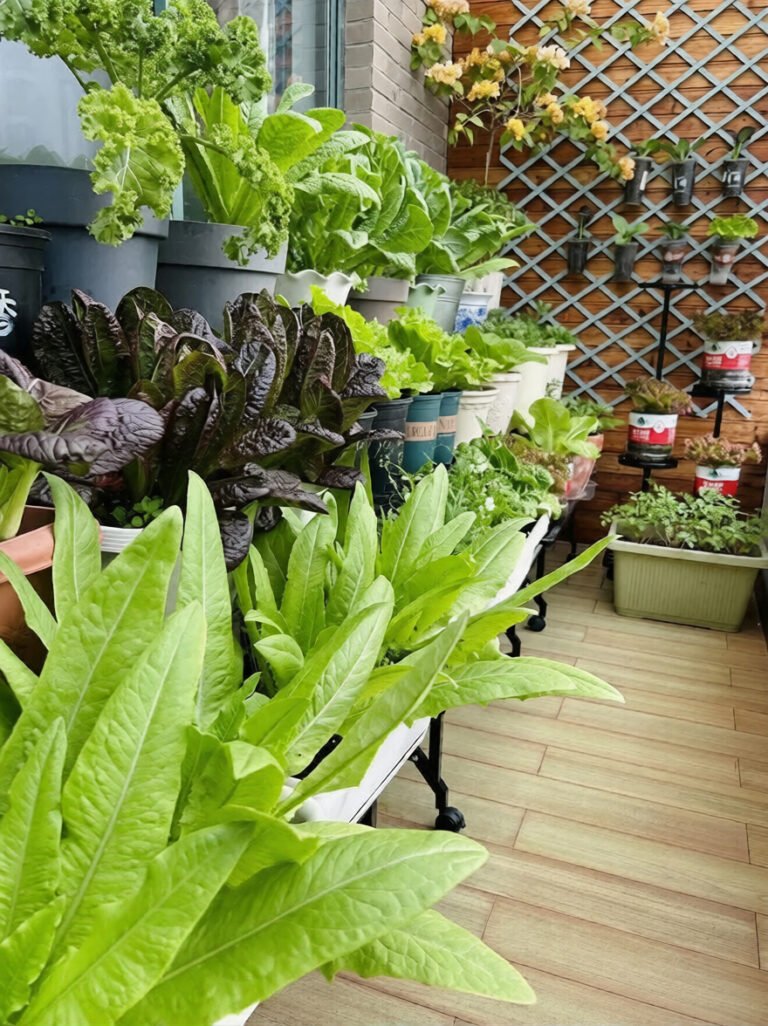
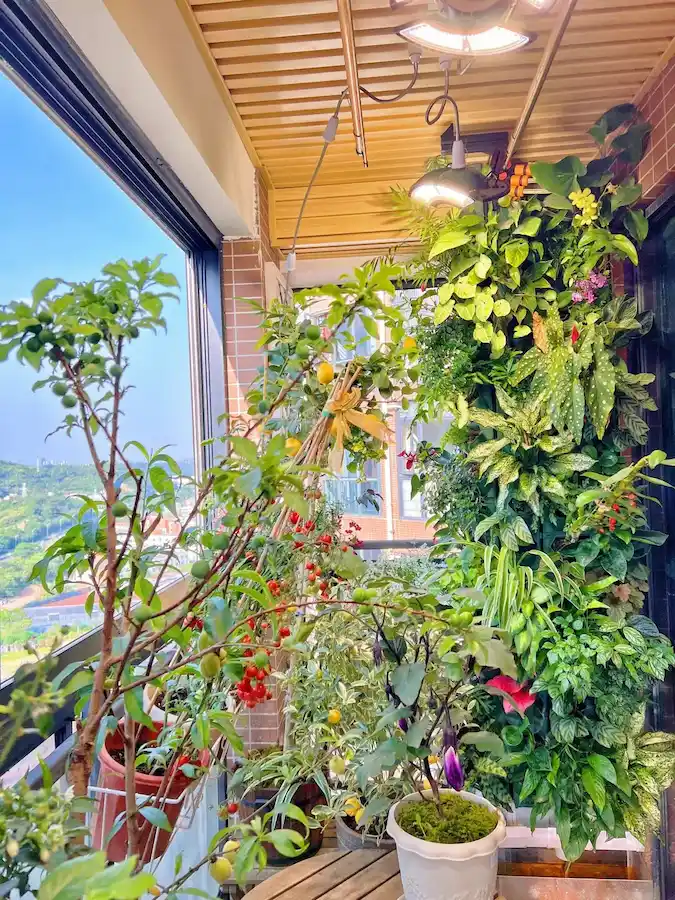
Across the U.S., from the suburbs of Ohio to the sunny plots of California, the joy of growing your own food has never been more popular. With the last frost dates behind us in many regions, now is the perfect moment to get your hands dirty and ensure your tomato plants, pepper seedlings, and leafy greens have everything they need to explode with growth. Whether you have a spacious yard or you’re exploring balcony gardening for beginners, the principles of healthy soil apply to any space.
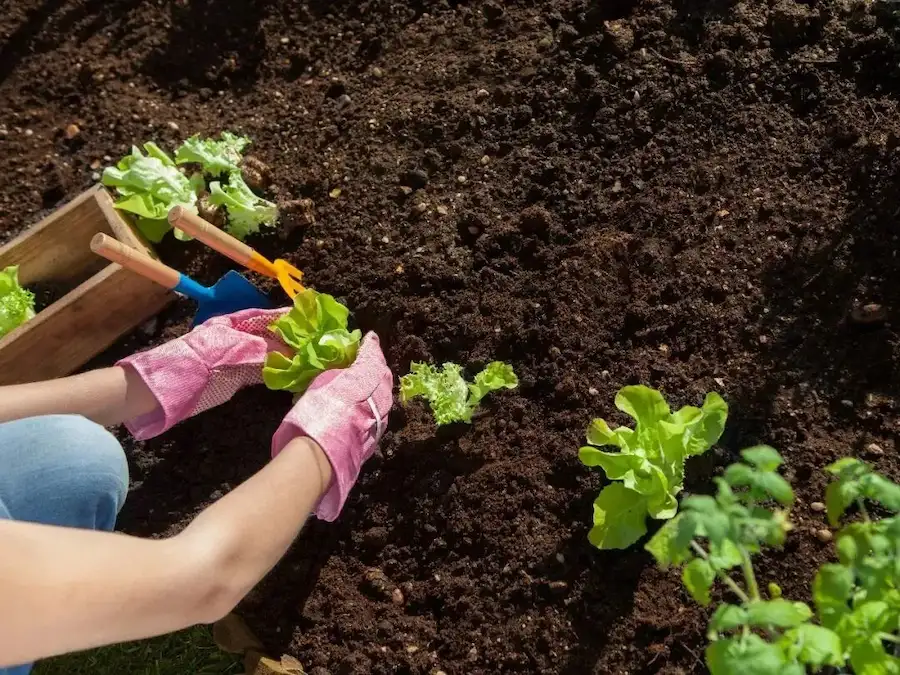
To grow a vegetable patch that’s the envy of the neighborhood, you need to understand the food your plants are craving. Let’s dig into the essentials of vegetable garden fertilization, making sure every dollar you spend leads to a bigger, healthier harvest. The quest for the best fertilizer for garden vegetables starts with knowing what your specific crops need at each growth stage.
Cracking the Code: What Those Three Numbers on the Bag Really Mean
Walk down the garden aisle at any Home Depot, Lowe’s, or local nursery, and you’ll see bags with numbers like 10-10-10 or 5-10-5. This is the fertilizer’s NPK ratio, the blueprint for plant health. When you’re selecting the best fertilizer for garden vegetables, these three numbers are your most important guide.
Nitrogen (N): This is the engine for leafy growth. If your spinach or lettuce looks pale and stunted, they are begging for nitrogen. For lush, green leaves, a nitrogen-rich option might be the best fertilizer for garden vegetables in your leafy green bed.
Phosphorus (P): The root and bloom booster. A lack of phosphorus means fewer flowers on your zucchini and less fruit on your cucumbers.
Potassium (K): The plant’s immune system. It helps vegetables fight off disease and cope with drought, ensuring those peppers and eggplants develop fully.
Different veggies have different appetites. Your leafy greens like lettuce and kale are nitrogen hogs; they need a steady supply to stay tender and productive. But your fruiting plants—think tomatoes, squash, and beans—need a different strategy. If you give them too much nitrogen early on, you’ll get a giant, bushy plant with very few vegetables. Once they start flowering, they need a meal higher in phosphorus and potassium to shift energy into producing fruit. For container growers, checking out resources on vegetable gardening can offer tailored advice for small-space success.
Organic vs. Synthetic: Choosing Your Garden’s Fuel
Deciding between organic matter and commercial mixes often comes down to your gardening style and goals. Both can be the best fertilizer for garden vegetables depending on your needs. Many experienced gardeners believe that compost and natural amendments are the best fertilizer for garden vegetables because they build soil health over time.
Going Natural: The Magic of Organic Fertilizers
Organic options are about more than just feeding your plants; they’re about building a living, breathing soil ecosystem. If you’re focused on sustainability, organic amendments are often the best fertilizer for garden vegetables for long-term garden vitality.
Manure: Nature’s Original Fertilizer
Well-rotted manure is a garden superstar. It adds organic matter that improves soil structure, helping sandy soil retain water and clay soil drain better.
Sheep Manure: It’s a balanced, gentle option perfect for root crops like carrots and onions. It’s widely available in bagged form at garden centers. A standard 30lb bag might cost around $8 to $12.
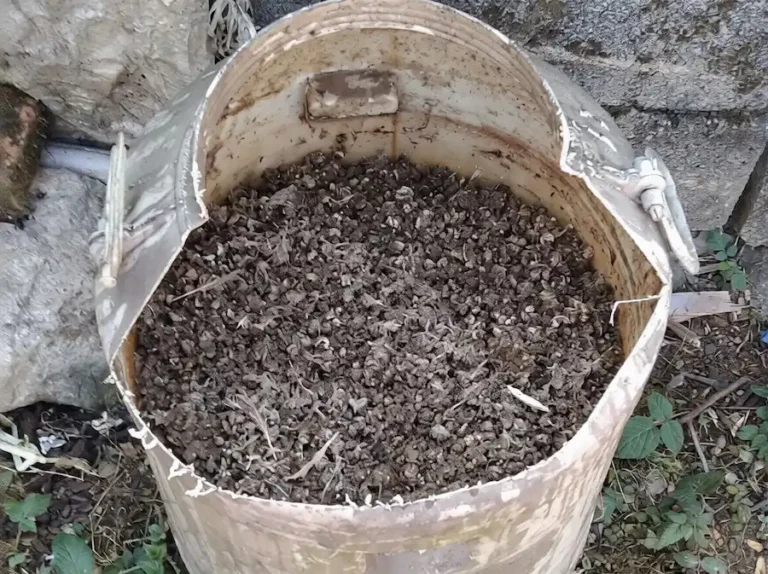
Chicken Manure: This stuff is “hot,” meaning it’s packed with nitrogen. It’s fantastic for giving leafy greens a rapid growth spurt, but it must be composted first. Using it fresh will burn your seedlings’ roots.
Cow Manure: Lower in nutrients than chicken or sheep manure, but it’s one of the safest, most forgiving options for beginners. It’s excellent for general soil improvement.
Kitchen Scrap Power: DIY Fertilizers
Your kitchen waste is a goldmine of plant nutrients.
Eggshells: Noticing the bottoms of your tomatoes turning black and leathery? That’s blossom end rot, a calcium deficiency. Rinse a few eggshells, crush them into tiny pieces, and sprinkle them into the planting hole. They break down slowly, providing calcium all season. It’s a zero-cost fix for a common problem.
Banana Peels: Rich in potassium, they’re like an energy drink for flowering vegetables. A simple trick: chop a peel into small pieces and bury it an inch deep near the base of your pepper or tomato plants. As it decomposes, it releases potassium directly to the roots.
DIY Weed Tea: Instead of tossing pulled weeds into the trash, stuff them into a bucket of water and let it sit for a couple of weeks. The resulting “tea” is a surprisingly effective, nitrogen-rich tonic for your soil. Strain it and dilute it until it looks like weak iced tea before watering your plants.
Meals from the Butcher Shop: Bone and Blood
Bone Meal: Made from ground animal bones, this is a powerhouse of phosphorus and calcium. When you’re transplanting a tomato seedling, mix a tablespoon into the bottom of the hole. It encourages vigorous root growth and strong stems. For heavy feeders like tomatoes, bone meal can be part of the best fertilizer for garden vegetables mix you create.
Blood Meal: This is the fastest-acting organic nitrogen source. If your kale or chard is looking a bit yellow, a sprinkle of blood meal will green it up in no time. A pleasant side effect? Its scent can sometimes deter rabbits and squirrels from digging in your freshly turned beds.
Ocean and Fish Solutions
Kelp Meal: Packed with micronutrients, it acts like a multivitamin for your garden, boosting overall plant vigor and resistance to stress.
Fish Emulsion: This is a complete, all-purpose food. Be warned, though: it has a distinct, strong odor that lasts a day or two. But your vegetables will love it. A quart usually costs between $15 and $20. If you’re growing in a small area, you might also want to explore the best plants for balcony garden to complement your fertilizing efforts.
The Modern Approach: Synthetic Fertilizers
If you’re looking for precision and immediate results, synthetic options are incredibly effective. They are the quick fix when a plant shows a deficiency and you need to correct it now. For many gardeners, a water-soluble synthetic is the best fertilizer for garden vegetables when they need a fast, predictable response.
Forms of Synthetic Food
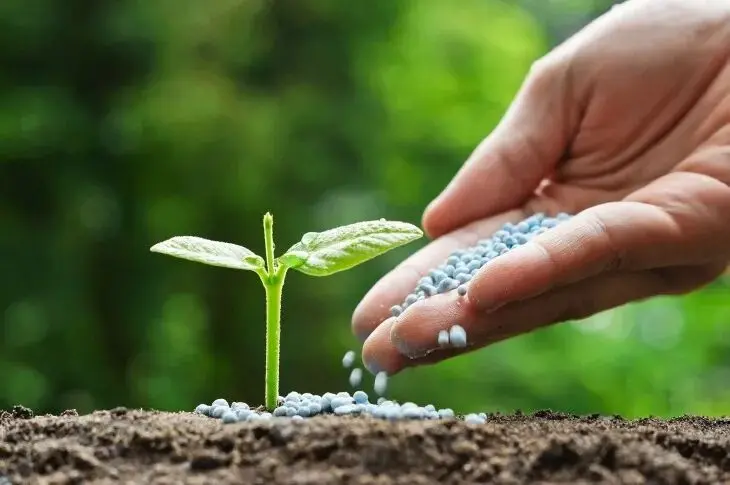
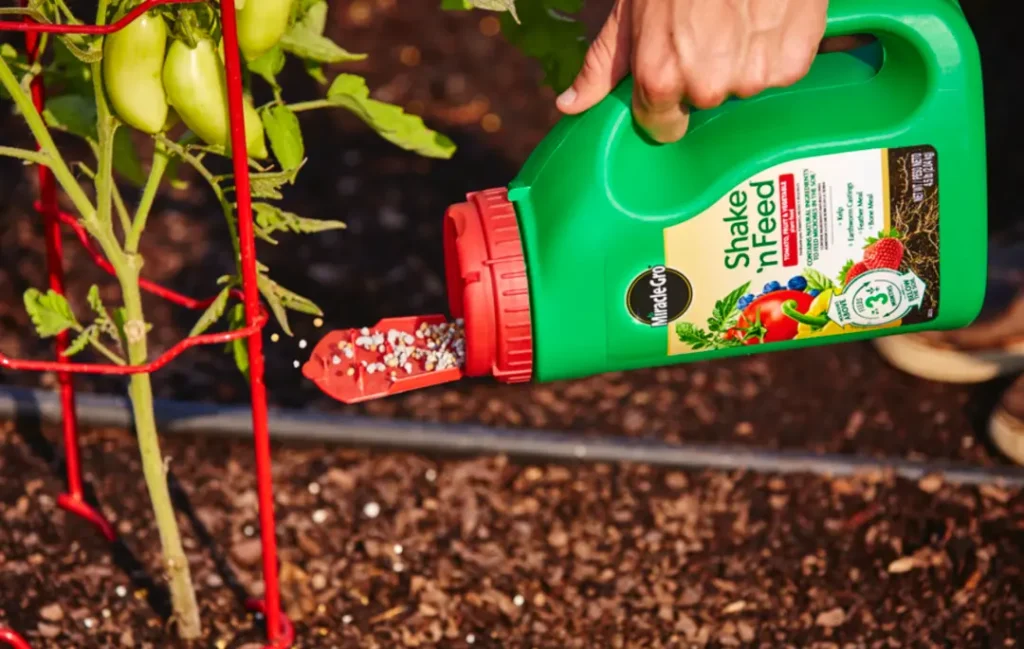
Granular Fertilizers: These are easy to apply. You simply sprinkle them around the base of your plants and water them in. They release nutrients over several weeks. A 4lb box of a balanced vegetable food might set you back about $10 to $15.
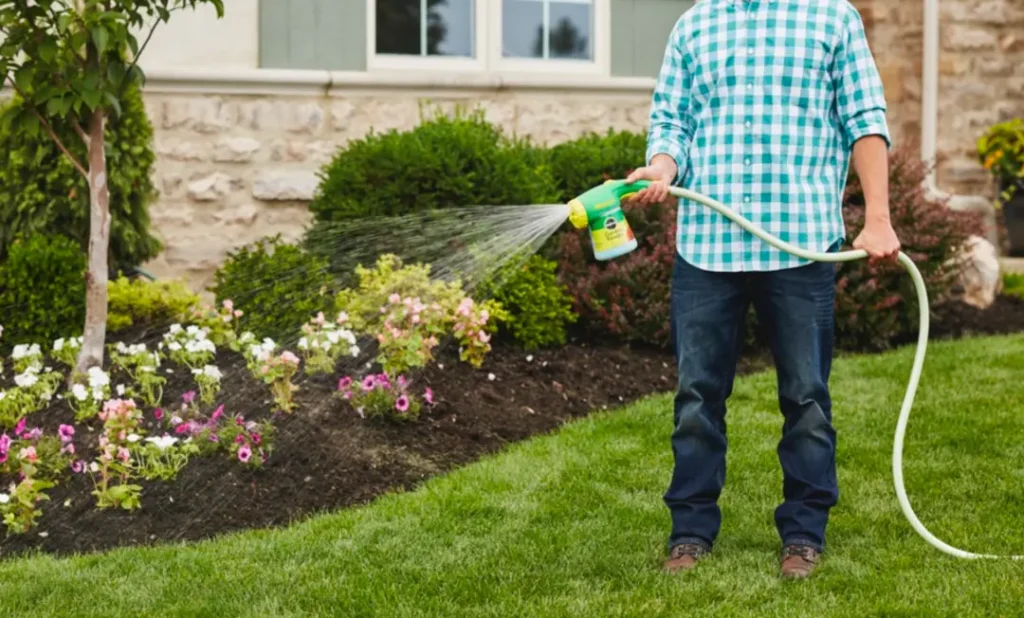
Water-Soluble Fertilizers: These are mixed with water and applied every time you water, or every other week. They provide a near-instant nutrient boost. A popular brand like Miracle-Gro costs around $12 for a 1.5lb box, which goes a long way. For a hassle-free experience, you can buy a bottle that attaches directly to your garden hose.
Plant Spikes: These are the “set it and forget it” option. You hammer them into the soil, and they dissolve slowly over the course of a month or two. A pack of 24 spikes is usually under $10.
Matching the Formula to the Crop
Balanced Mixes (e.g., 10-10-10): Perfect for general soil preparation in spring.
High-Nitrogen Mixes (e.g., 24-8-16): Ideal for a mid-summer feeding of your corn, lettuce, or cabbage.
Bloom-Booster Mixes (e.g., 10-15-10): This is your go-to once your tomato and cucumber flowers appear. It encourages more blossoms and fatter, juicier fruit. Some gardeners swear this specific ratio is the best fertilizer for garden vegetables during the fruiting stage.
A Simple Feeding Schedule for a Bountiful Harvest
Don’t overcomplicate it. Just follow the rhythm of the growing season. Remember, consistency is key when you’re trying to determine the best fertilizer for garden vegetables for your unique setup. Even if you’re limited to a small patio, guides on Balcony Gardening can show you how to apply these principles in containers and raised beds.
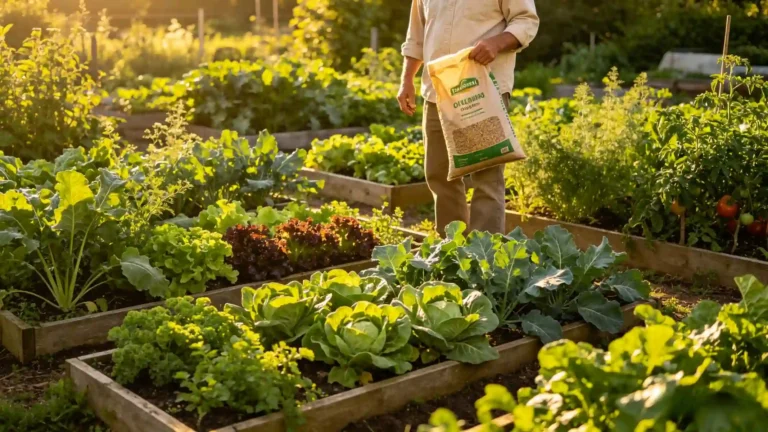
At Planting Time (The Foundation): Mix a generous amount of compost or a balanced granular organic fertilizer into the soil of your new bed. This creates a nutrient-rich home for your young plants. This foundational step is crucial, no matter which product you ultimately choose as the best fertilizer for garden vegetables for your garden.
Early Growth (The Green-Up): A few weeks after planting, give your leafy greens a dose of a high-nitrogen fertilizer, either liquid or granular. For your tomatoes and peppers, hold back on the heavy feeding for now.
Fruiting Time (The Payoff): The moment you see the first tiny tomatoes or peppers forming, switch to your high-phosphorus, high-potassium fertilizer. This signals to the plant that it’s time to stop growing leaves and start growing dinner. For those tending a small space, integrating advice from vegetable garden planning can help you maximize every square inch.
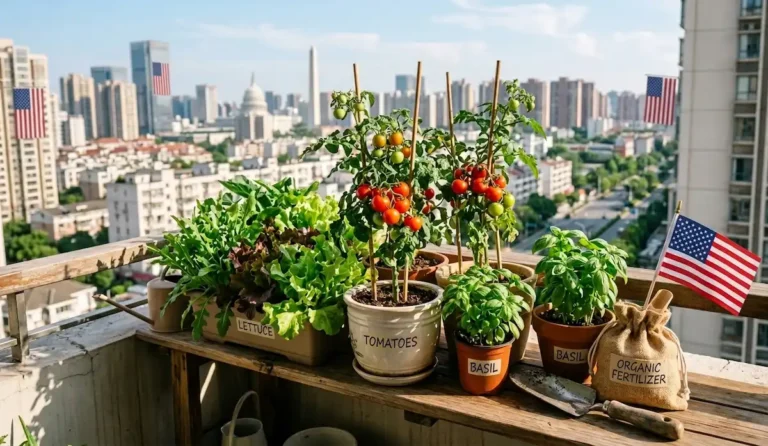
Remember, more is not better. Over-fertilizing can lead to lush, pest-attracting growth and can actually burn the roots. Always water your plants thoroughly after applying dry fertilizer to help it dissolve and carry the nutrients down to the roots. Imagine the satisfaction of stepping onto your patio and picking a sun-warmed tomato that you nourished from a tiny seed—that’s the real magic of finding the right balance and discovering the best fertilizer for garden vegetables for your own little patch of earth. Happy gardening