If you have a fireplace or love spending summer evenings by the fire pit, you might be tossing out a gardening goldmine without realizing it. For American homeowners looking to boost their vegetable harvest without spending a fortune at the garden center, the answer to “are wood ashes good for a vegetable garden” is a resounding yes—when you know how to use them right. This natural byproduct can transform your soil, your tomatoes, and your other garden plants, but a simple mistake could ruin your crops. Here is your complete guide to safely using this free resource.
What Exactly Are Wood Ashes Bringing to Your Table?
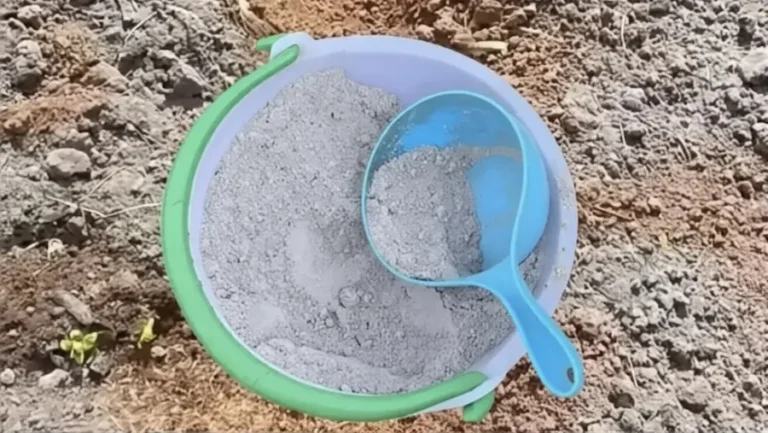
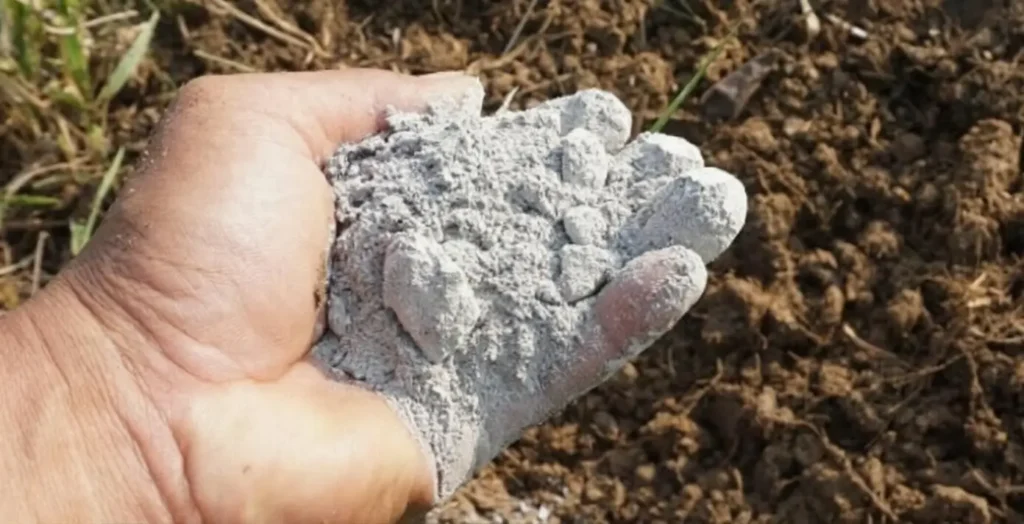
Think of wood ash as the multivitamin your vegetable garden didn’t know it needed. After a cozy night by the fire, the leftover powder isn’t just useless dust. It is a concentrated source of minerals that your plants will absolutely love. To answer the question directly, are wood ashes good for a vegetable garden? They are a powerhouse of minerals.
A Potassium Powerhouse for Heavy-Fruiting Veggies
Your pepper plants and tomato vines are hungry for potassium. It is the nutrient that helps flowers turn into fat, juicy fruits. Wood ash is loaded with it. Unlike synthetic mixes that can cost you $15 to $30 a bag, this is a free source of potassium that also throws in a bonus of calcium and magnesium. When you are wondering if wood ashes are good for a vegetable garden, just look at your struggling pepper plant—it might be starving for exactly what you’ve been throwing away. If you’re still questioning whether are wood ashes good for a vegetable garden, just look at potassium’s impact on fruiting.
The Cheapest Soil pH Fix You’ll Find
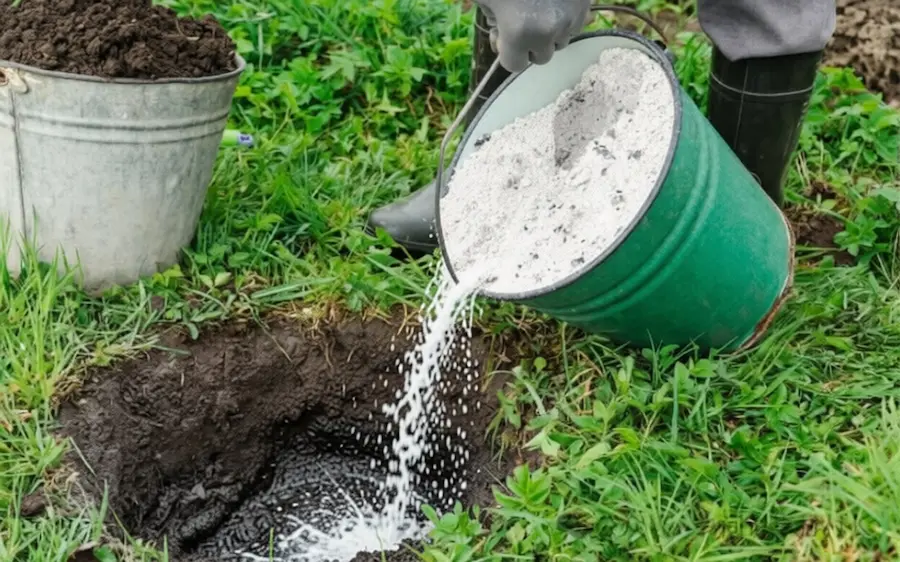
Living in rainy regions like the Pacific Northwest or the Eastern Seaboard often means dealing with acidic soil. Most vegetables prefer a balanced, neutral environment to stretch their roots. Wood ash acts as a natural liming agent. Sprinkle it on, and it gently raises the pH, unlocking nutrients that were previously locked out of reach for your carrots and beans.
Which Vegetables Will Thank You for the Ashes?
Not every plant in your plot is a fan. Before you start scattering ashes everywhere, let’s focus on the “thank you” list. These are the crops where wood ash truly shines.
Root Veggies and Underground Treasures
For root crops, the answer to are wood ashes good for a vegetable garden is a resounding yes. Potatoes, carrots, and beets crave potassium. It gives them the strength to bulk up and resist diseases while sitting in the soil. A light dusting around your potato plants can mean the difference between harvesting marbles and harvesting baseballs.
The Fruit-Bearing Favorites
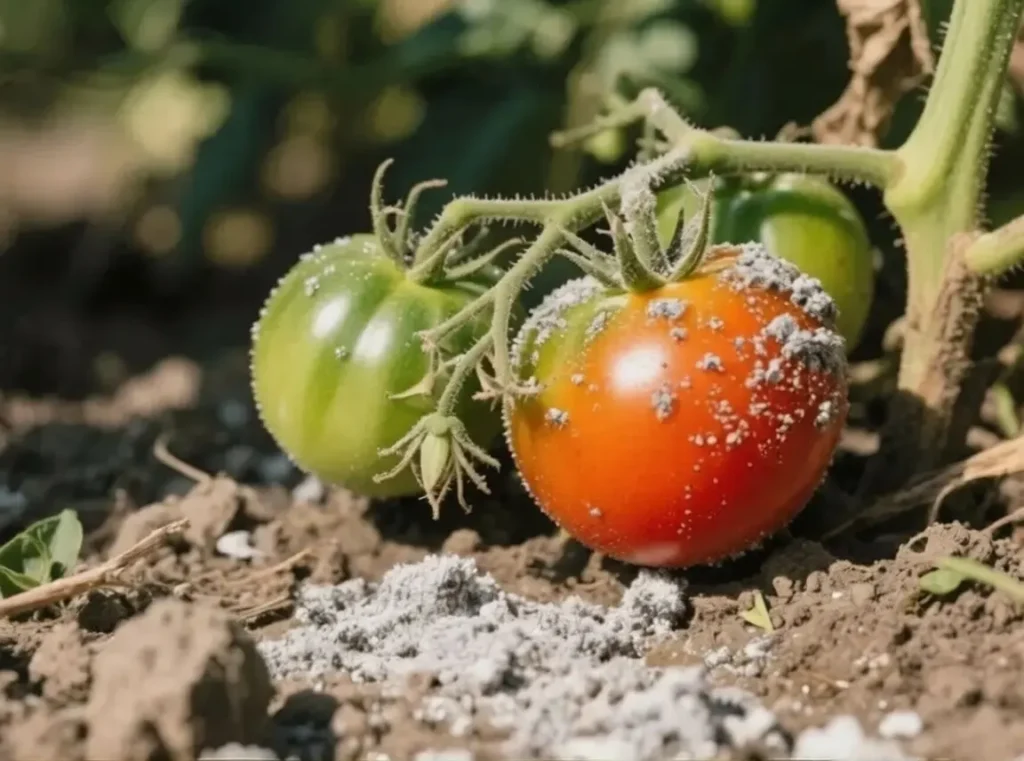
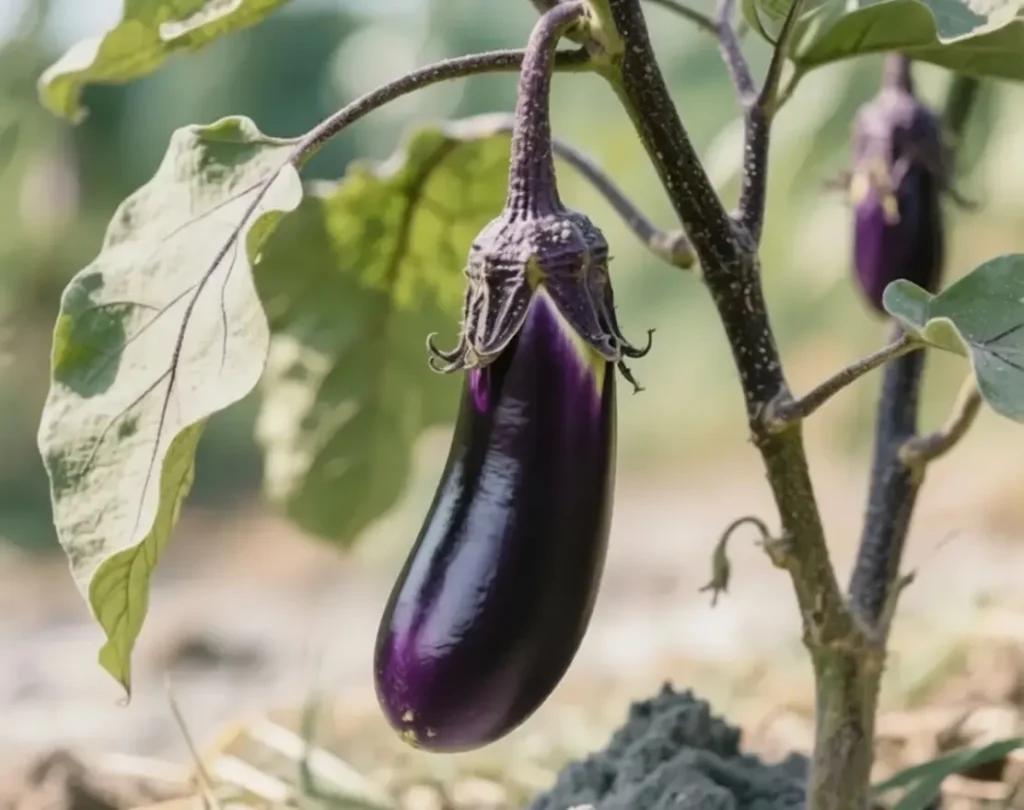
So, are wood ashes good for a vegetable garden? When you’re growing tomatoes and squash, the answer is a definite yes. These heavy feeders use potassium to produce vibrant blooms. When your eggplant starts flowering, the potassium from ash helps ensure that flower turns into a fruit, not a dud.
Bulbs and Pods
Garlic and onions appreciate the sulfur compounds in ash, while beans and peas, which are natural nitrogen-fixers, thrive on the potassium boost without needing extra nitrogen from you.
Your Practical Guide to Applying Wood Ash
Knowing the “why” is great, but the “how” is where the magic happens. Here is how to use it without hurting your precious plants.
Pre-Season Prep: The Soil Drench
In early spring, before you even plant those seeds (if you’re wondering can i just throw flower seeds in my garden, check out our guide), grab your cooled ash. For every 100 square feet of garden space, sprinkle about 1 to 2 pounds (roughly a quart to a half-gallon jar) evenly over the soil. Turn it into the top 6 inches with your tiller or shovel. This sets the stage for the entire growing season.
The Growing Season Boost
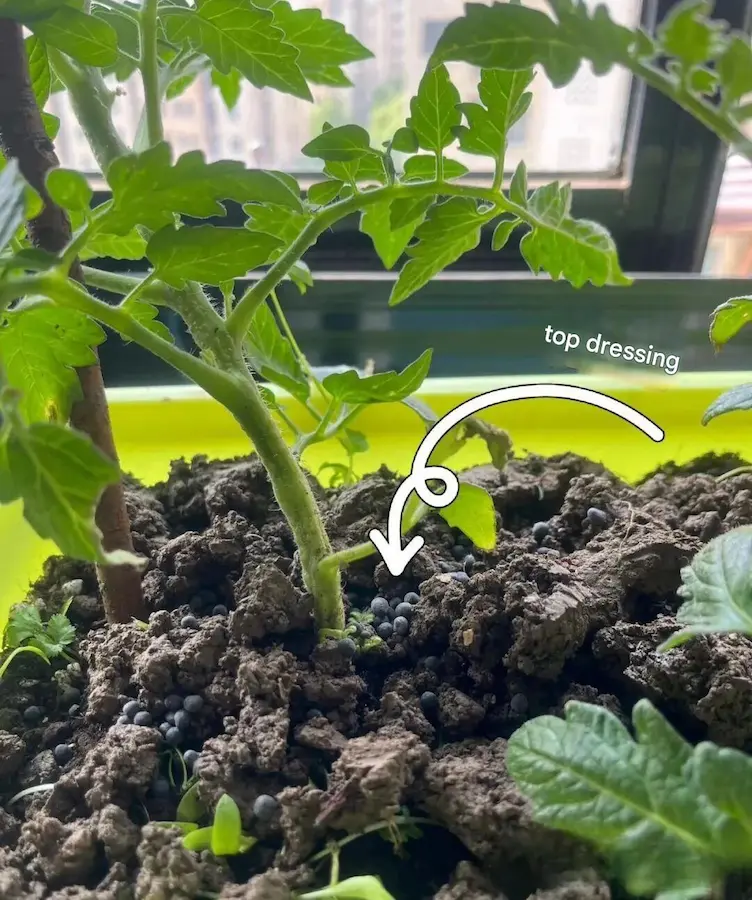
Once your plants are up and growing, you can side-dress them. After a rain shower, or right before you water, dust a thin layer around the base of your tomato or corn plants. Scratch it lightly into the soil surface. This sends potassium straight to the roots just when they need it most.
The Pest Control Hack
Ever had aphids suck the life out your kale? Dry wood ash is a surprisingly effective deterrent. Wait for a calm morning with dew still on the leaves. Put your ash in an old spice jar or a fine sieve and dust it over the wet leaves. The ash sticks, and the tiny particles irritate soft-bodied pests like slugs and aphids, encouraging them to move elsewhere. This hack works not only on veggies but also on your favorite flower plants, keeping them pest-free.
Critical Mistakes That Can Ruin Your Garden
Using wood ash is a balancing act. Get it wrong, and you’ll be left with yellow leaves and stunted plants. While are wood ashes good for a vegetable garden when used right, misuse can be disastrous.
The Golden Rule: Less Is Always More
Never overdo it. Dumping thick layers of ash creates a lye-like effect when wet, burning tender roots. Worse, too much can make your soil so alkaline that plants can’t absorb iron. If your leaves turn yellow but the veins stay green, you might have gone overboard.
Keep It Away From These Plants
That beautiful blueberry bush you babied all winter? Keep ash far away from it. Same goes for rhododendrons, azaleas, and potatoes grown for storage. These acid-lovers will suffer in alkaline soil. If you’re growing potatoes, only add ash to the soil before planting if you know it’s acidic—adding it later can encourage scab disease on the tubers.
Never Mix These Together
Hold your horses before mixing ash with your favorite fertilizer. If you combine wood ash with a nitrogen-heavy fertilizer like blood meal or ammonium sulfate, a chemical reaction occurs. The nitrogen turns into ammonia gas and floats away into the air. You’re literally paying for fertilizer that evaporates. Space applications out by at least a few weeks.
Watch Your Source and Your Safety
Only burn clean, untreated wood. Oak, maple, and fruit tree ashes are perfect. Never, ever use ash from pressure-treated lumber, painted wood, or cardboard, as these release toxic chemicals. When you apply it, pick a windless day and wear a dust mask. You don’t want that fine powder in your lungs.
By the way, if you’re also dealing with furry intruders, learn how to keep cats out of the flower garden to protect your beds.
What If You Don’t Have a Fireplace?
Not everyone burns wood. If you’re reading this thinking, “This sounds great, but I have no source,” don’t worry. You can buy replacements.
Sulfate of Potash: Available at any Home Depot or Lowe’s for around $20 to $30, this gives you the potassium without the alkalinity.
Greensand: This ancient mineral deposit releases potassium slowly and costs about $15 to $25 per bag.
Kelp Meal: A fantastic organic option that provides potassium plus a host of trace minerals.
If your main goal is fixing acidic soil and you don’t need the potassium, a 40-pound bag of garden lime costs about $5 to $10 and will do the job.
Next time you empty that fireplace or gather around the backyard fire pit with friends, save those ashes. Bag them up and keep them dry. Your future harvest—those huge, red tomatoes and sweet, crisp carrots—will be a direct result of the “waste” you decided to keep. Ready to give your garden the gift it’s been waiting for? For more tips, browse our plant guides.