
You might know them as the classic balcony flower, or maybe you recognize them by their distinct, slightly spicy scent. Native to South Africa, geraniums have won over gardeners across the US with their incredibly long blooming season, vibrant colors, and easy-care reputation. They are a staple on sunny window sills and patios from coast to coast.
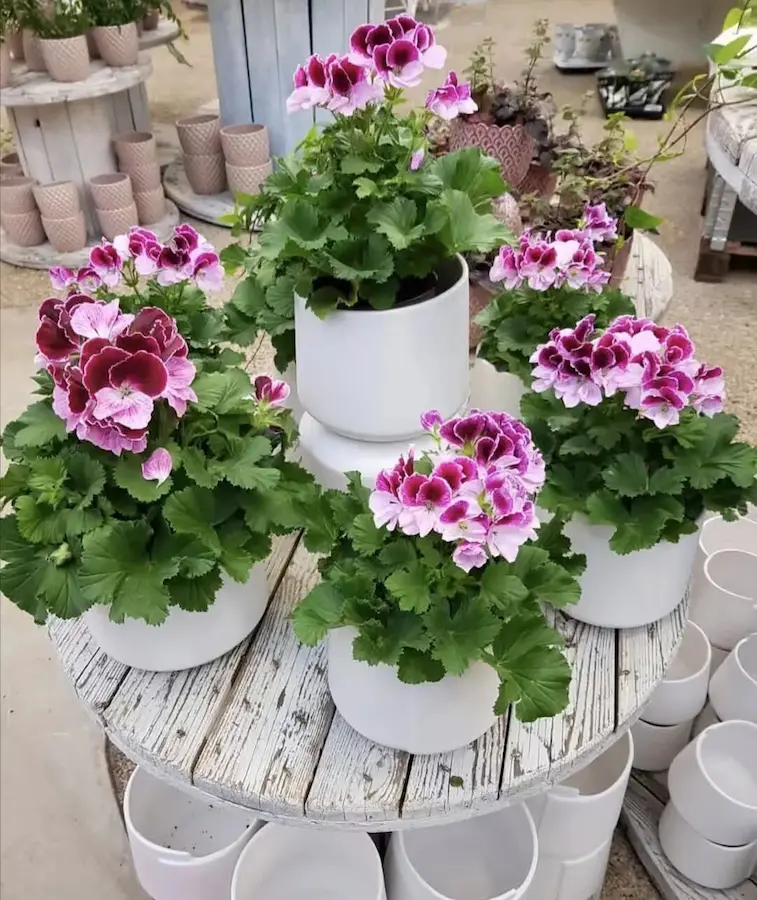
So, back to the big question on every plant lover’s mind: can geraniums grow indoors? The short answer is a resounding yes! If you live in an apartment, have a screened-in porch, or just a room with great light, this is a fantastic plant to consider. However, to see them truly flourish inside your home, you need to understand what makes them happy. This guide is packed with real-world tips from seasoned gardeners, giving you a clear, practical roadmap to successfully growing geraniums in your living space. For even more inspiration, check out our comprehensive garden guide for all things plants.
Why Geraniums Are a Top Pick for Your Home
If you’re still wondering “can geraniums be grown indoors” successfully, the answer is a definitive yes—and here’s why they’re such a great choice.
They’re Showstoppers with Stamina
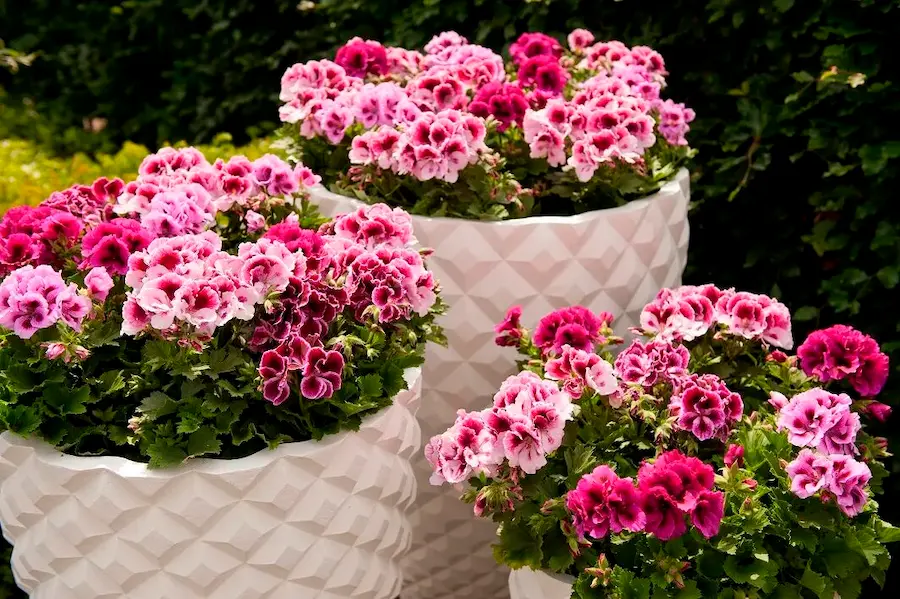
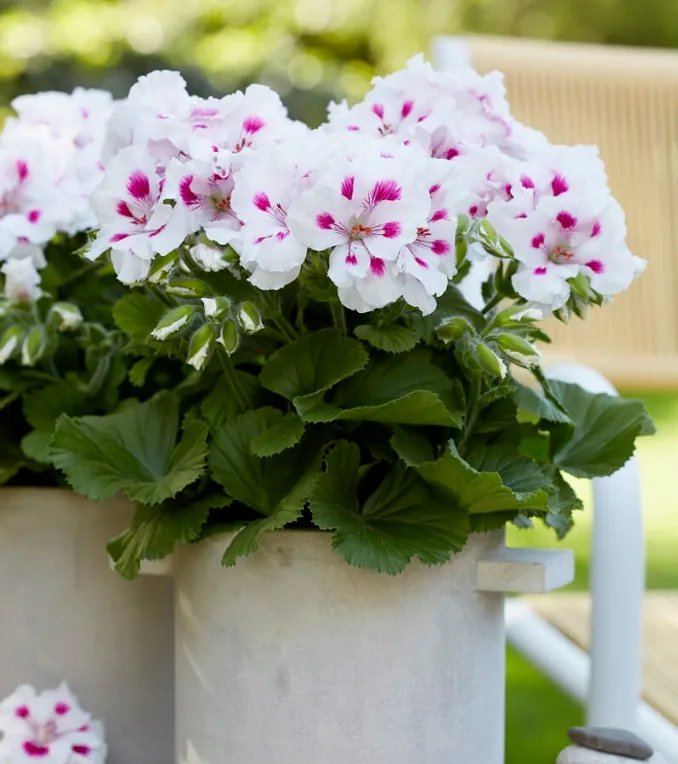
Geraniums burst into clusters of blooms in shades from fiery reds and soft pinks to elegant whites and purples. With the right care, they’ll start flowering in fall and keep going strong all the way through the next summer, adding a steady pop of color to your home for months.
Tough and Adaptable
Unlike fussy plants like roses that seem to attract every problem, geraniums are resilient. This is especially true for zonal and ivy geraniums. They aren’t as demanding about light, growing well in the bright, indirect light found in most rooms, which makes them perfect for beginners. So yes, can geraniums grow indoors even if you don’t have a sun-drenched window? Absolutely—they adapt beautifully.
Natural Air Purifiers
Some studies suggest that geraniums can help absorb airborne toxins like formaldehyde and benzene, potentially giving your indoor air quality a small but helpful boost.
Built-in Pest Control
The unique scent from their leaves acts as a natural insect repellent. This means geraniums rarely suffer from pest problems themselves, and they can even help keep your home a bit less inviting to bugs.
A Calming Presence
The gentle fragrance of geraniums is known for its relaxing, mood-balancing qualities. Placing one in a bedroom (as long as the scent doesn’t bother you) might even contribute to a more peaceful sleep.
And if you’re curious about other flowering options, our article on what are flower type plants grow a garden offers plenty of ideas.
What You Need to Know for Indoor Success
While they’re easygoing, giving your geranium the right conditions is the secret to a constant show of flowers. The question “can geraniums be grown indoors” really comes down to meeting a few simple needs.
1.Light: It’s Their Favorite Fuel
Geraniums are sun-lovers. Inside, a south- or west-facing window is the prime spot, ensuring they get at least 4 to 6 hours of direct sunlight each day.
Spring, Fall, and Winter: Let them soak up as much sun as possible. More sunlight equals a sturdier plant and more flowers.
Summer: Shield them from the most intense midday sun. A sheer curtain or moving them back from the window a bit will prevent leaf scorch.
Low on Natural Light? No problem. You can easily supplement with a basic grow light to keep them blooming.
2.Watering: When in Doubt, Don’t
Geraniums have semi-succulent stems and roots that are prone to rot in soggy soil. Overwatering is the number one way to accidentally kill one.
The Golden Rule: “Soak and Dry.” Before you water, stick your finger in the soil. If it’s dry an inch down and the pot feels light, it’s time to water. Then, water thoroughly until it drains out the bottom.
Summer & Winter Dormancy: When temperatures soar above 90°F or drop below 50°F, geraniums slow down. They need much less water. Let the soil get quite dry between waterings.
Smart Summer Tip: Try bottom watering. Place the pot in a tray of water for 15-20 minutes, letting the soil soak up moisture from below. This keeps the top of the soil and the base of the stem from staying wet, which is a common cause of rot.
3.Airflow: Keep It Moving
Good air circulation is essential for preventing disease and keeping your plant healthy.
Get into the habit of opening windows regularly when the weather permits.
This is especially critical during humid summer months or in winter when the air is stuffy from heating.
On warm, mild days, if you can move your geranium outside to a sheltered spot for a few hours, the natural breeze will do wonders.
4.Soil & Pots: It’s All About Drainage
Soil: You need a light, “fluffy” potting mix. A quality bag of potting soil designed for containers is perfect. You can also mix your own using 3 parts peat moss or coco coir to 1 part perlite for excellent drainage.
Pots: Terracotta pots are ideal because they wick away moisture from the soil. Fabric grow bags or standard plastic pots with drainage holes work too. Crucial tip: Never put a small plant in a giant pot. The excess soil stays wet too long and the roots can suffocate. Only move up one pot size at a time.
5.Picking the Right Type
Not all geraniums are equally suited for life indoors. There are three main groups:
Zonal and Ivy Geraniums: These are your go-to choices. They are less demanding about light and adapt well to standard indoor conditions, making them the perfect starting point. So when you ask “can geraniums grow indoors with ease?”, these types are the answer.
Regal or Martha Washington Geraniums: These have stunning, large flowers but are more particular. Many varieties need a cool period in winter (around 40-50°F for about a month) to set buds for the next year. If you live in a warm climate like Florida or South Texas, or have a consistently heated home, stick to zonal types.
6.Fertilizer: Feed Gently, Feed Smart
Growing Season (Spring & Fall): This is when they’re hungry. Every 2 weeks, use a diluted, balanced liquid fertilizer (like a 20-20-20) to support leaf and stem growth.
Budding Stage: As soon as you see little flower buds forming, switch to a bloom-boosting fertilizer higher in phosphorus (like a 15-30-15). This encourages bigger, more vibrant flowers.
Dormancy: Completely stop fertilizing during the extreme heat of summer and the cold of winter when the plant isn’t actively growing.
7.Pruning & Repotting for Success
Pinching Back: When your young plant is about 4-6 inches tall, simply pinch off the very top growing tip. This forces it to branch out, creating a fuller, bushier plant that will produce many more flowers.
Deadheading: Snip or snap off faded flowers and their stems. This tidies up the plant and directs energy into producing new buds instead of seeds.
Yearly Refresh: Consider repotting your geranium every fall. Trim back any leggy growth, give it fresh potting soil, and mix in a handful of slow-release fertilizer granules or compost to set it up for a fantastic next season.
If you’re also interested in growing edibles, our guides on balcony vegetables and best vegetables for balcony garden can help you make the most of your space.
The Truth About Geraniums and Safety
This question comes up a lot. The leaves and stems contain a sap that can cause minor skin irritation in some people. But this is only from the sap!
The flowers, the scent, and the air around the plant are completely harmless.
In fact, that distinctive smell is what helps repel insects.
So, you can grow them without worry. Just use common sense:
If you have very sensitive skin or allergies, you might not want one right by your bedside.
In homes with curious kids or pets, place the plant out of reach to prevent them from playing with it and getting the sap on their skin. For more tips, see our article on how to keep cats out of your flower garden—it’s useful for indoor setups too.
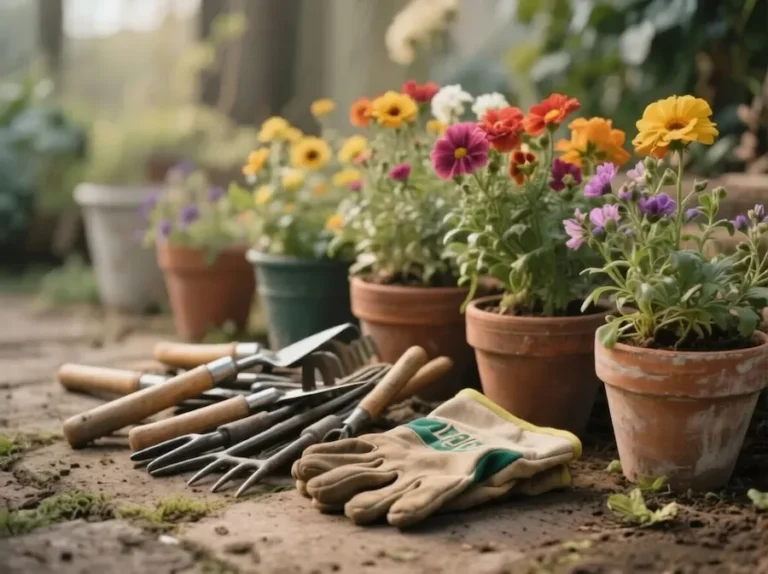
Wear gloves when doing heavy pruning or repotting. If you get sap on your skin, just wash it off with soap and water.
Ultimately, geraniums offer far more benefits than drawbacks. They’re beautiful, tough, bloom for ages, and even help keep the air and your home feeling fresh. All they ask for is a sunny spot, a light hand with the watering can, and a bit of air now and then. If you can manage that, you’ll be rewarded with cheerful, non-stop color. And remember, whether you’re a seasoned gardener or just starting, the question “can geraniums be grown indoors” is one you can now answer with confidence. If you’re new to gardening, grab a zonal geranium—it might just be the start of a beautiful new hobby.
Can I bring indoor my summer geraniums for the winter to grow inside now
Hi there – Anchorage, wow! Bringing your geraniums inside is absolutely the right call.
The big one up there is light – short winter days won’t cut it. Put them in your sunniest window and seriously consider a grow light for 12–14 hours a day.
Keep pots away from heating vents – hot air dries out leaves fast. Water only when the soil is completely dry on top; overwatering is the fastest way to kill them indoors. They like it cool, around 10–18°C – too warm and they get leggy.
Before bringing them in, trim off dead leaves and check for pests.
With good light and light watering, they’ll sail through winter – and might even bloom. Good luck! 🌱