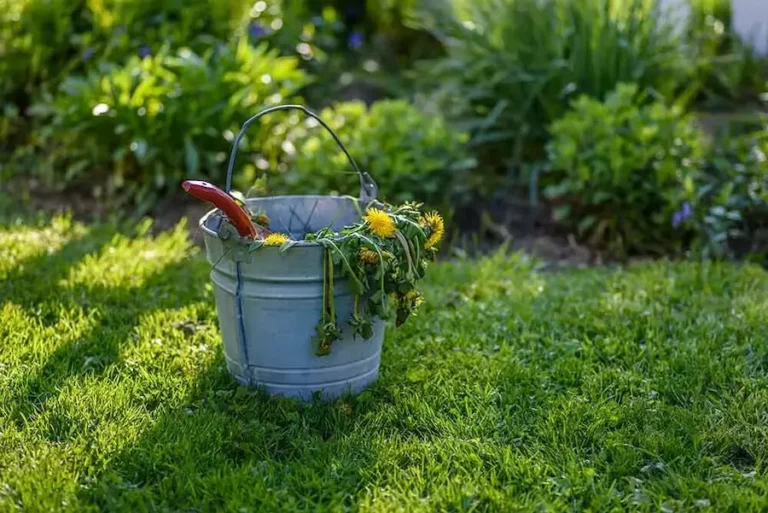
Picture this: You’ve just finished chopping carrots for dinner, and you’re holding a handful of peels. Your thumb hovers over the trash can, but then you remember those TikTok videos about “waste-free living.” A lightbulb goes off: Can I just throw vegetable scraps in my garden?
It makes perfect sense, right? Those banana peels, apple cores, and lettuce leaves are going to rot eventually. Why not let them rot in your garden and feed your soil at the same time? That simple question—can I just throw vegetable scraps in my garden—is one of the most common among new gardeners.
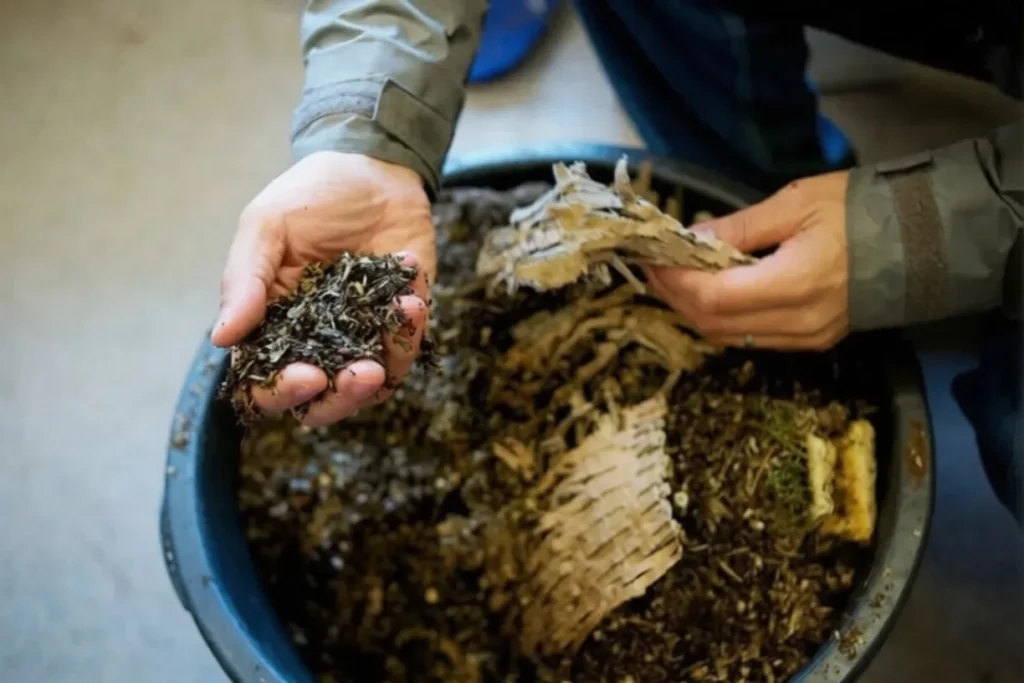
Here’s the honest truth: You absolutely can toss vegetable scraps directly into your garden. But should you? Probably not. Before you act on that initial impulse to just throw vegetable scraps in your garden, let’s look at what really happens underground.
That instant-gratification move of burying kitchen waste often creates way more headaches than healthy soil. Let me walk you through exactly what happens, plus five foolproof methods that actually work for American homes—whether you’re in a suburban Houston house with a half-acre lot or a Brooklyn apartment with just a fire escape.
What Actually Happens When You Bury Scraps in Your Garden
You might be thinking, “Isn’t this how nature works? Leaves fall, they decompose, trees get nutrients.” You’re not wrong about the forest floor. But your raised beds and container gardens aren’t a forest ecosystem—they’re more like a carefully balanced aquarium. Tossing in raw scraps can throw everything off.
You’re basically sending out dinner invitations. Those apple cores and potato peels? They’re like neon signs for every critter in your neighborhood. Flies show up within hours. Ants follow. Then comes the furry crew—raccoons, opossums, even rats. They’ll dig through your soil, shred your marigolds, and leave you with a disaster zone instead of a peaceful flower garden retreat. I learned this the hard way after finding my tomato plants completely uprooted by a midnight raccoon party.
Then there’s the smell situation. When organic matter breaks down without enough oxygen (like when buried too deep), it rots anaerobically. That means stinky. You know that sulfur-egg smell from a garbage can left in the sun? Yeah, that could be your garden bed next month if you decide to just throw vegetable scraps in your garden without proper preparation.
Here’s something most beginners don’t see coming: fresh scraps can actually starve your plants. Soil microbes go absolutely crazy breaking down raw organic matter, and they need nitrogen to do it. Where do they get that nitrogen? From your soil. Those same microbes essentially “borrow” nutrients that your tomatoes and peppers were counting on. Next thing you know, your plants turn yellow and stop growing. Gardeners call this “nitrogen theft.” (For more on keeping plants healthy, check out our plant care guides.)
The hidden danger: disease spores. If you’ve ever grown tomatoes, peppers, or eggplants, listen up. Those store-bought vegetable scraps might carry pathogens—Fusarium wilt, blight spores, all sorts of trouble. Burying them introduces these diseases directly into your soil, where they can live for years, infecting crop after crop. Once it’s in the ground, you can’t just spray it away. This is why experienced gardeners caution against the urge to just throw vegetable scraps in your garden without thought.
Raw scraps aren’t fertilizer yet. They’re just… well, garbage. Turning them into garden gold requires one missing step: composting. So if you’ve been asking yourself can I just throw vegetable scraps in my garden, the answer leads to better methods.
So What Should You Do With All Those Kitchen Scraps? Five American-Friendly Solutions
Cold Composting: The Set-It-and-Forget-It Method
Perfect for: Anyone with a backyard who wants simplicity over speed
Find a corner of your yard, grab a compost bin from Home Depot (around $40-80), or just start a pile. Toss in your vegetable scraps, fruit peels, grass clippings (that’s your “green” material), plus dried leaves, shredded newspaper, or cardboard (your “brown” material). Then literally do nothing else. Let rain, sun, and millions of tiny decomposers handle the work.
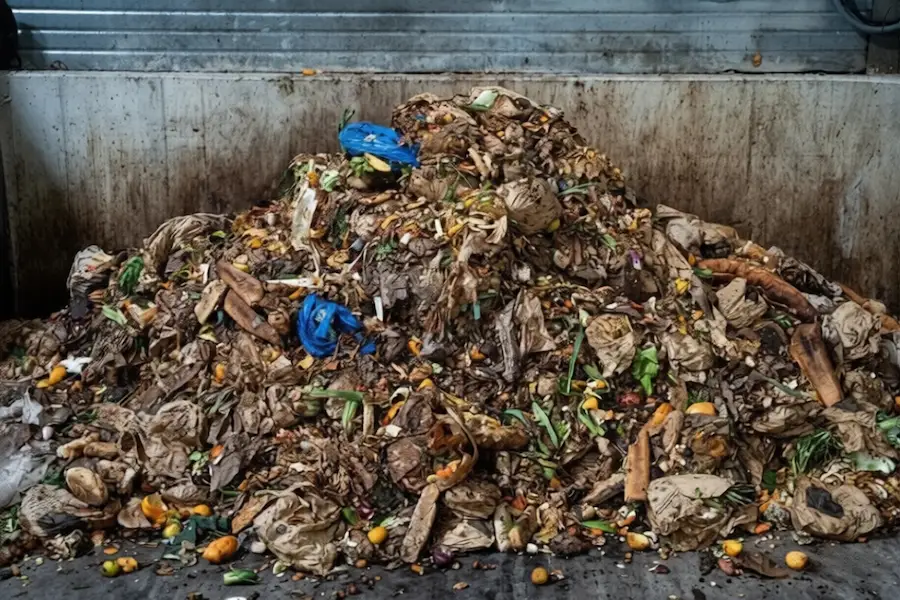
The beauty of this method: It’s practically zero effort. You’re just creating a designated spot for nature to do its thing. And unlike the “can I just throw vegetable scraps in my garden” approach, this keeps things contained.
The trade-off: You’ll wait 6-12 months for finished compost. And if you pile on scraps without covering them with browns, you might still attract those critters we talked about.
Pro tip: Always cap your kitchen scraps with a thick layer of dried leaves or straw. Think of it like tucking them in—it blocks smells and keeps flies away.
Hot Composting: For Gardeners Who Want Results Fast
Best suited for: Homeowners with space who want quality compost in months, not years
You’ll need a pile at least 3 feet by 3 feet by 3 feet—roughly a cubic yard. That’s about the size of a washing machine. The magic happens when you carefully balance “greens” (nitrogen-rich stuff like fresh grass and veggie scraps) with “browns” (carbon-rich materials like dry leaves and torn cardboard). Aim for roughly one part greens to two parts browns.
Keep the pile as damp as a wrung-out sponge. Every week or so, grab a pitchfork and turn it. This adds oxygen, which feeds the bacteria that generate heat.
Why go through the trouble: The internal temperature can hit 130-160°F—hot enough to kill weed seeds and most plant diseases. You’ll get dark, crumbly, amazing compost in just 3-6 months. This method transforms those scraps into something your container flower garden will absolutely love.
What you’ll spend: A decent compost thermometer runs about $25-35 on Amazon. A turning tool is another $30-40. Or grab a pitchfork from Tractor Supply for around $25 and call it a day.
Worm Composting: The Apartment Gardener’s Secret Weapon
Ideal for: City dwellers, families with kids, anyone fascinated by tiny ecosystems
Order red wigglers (Eisenia fetida) online—Uncle Jim’s Worm Farm is a popular source, and about 1,000 worms cost around $35-45 with shipping. Grab a plastic storage bin from Target ($10-15), drill a few air holes, shred some newspaper for bedding, and you’re in business.
Add your worms, bury small amounts of chopped kitchen scraps, and watch them work. They eat the scraps and produce castings—worm poop, essentially—that’s among the richest organic fertilizer on earth. If you grow best flowers for garden pots, these castings will make them bloom like crazy.
The cool part: Almost no smell. You can keep this bin under your kitchen sink or in a closet. It’s fascinating to watch, and kids absolutely love it. A pound of worms can eat roughly half a pound of scraps daily. So you never have to wonder can I just throw vegetable scraps in my garden—your worms handle them indoors.
A few limits: Skip the citrus peels, onions, and definitely no meat or dairy. Chop scraps small—the worms process them faster.
Bokashi Composting: The “Everything Goes” Method
Great for: People who want to compost meat, dairy, and cooked food without smells
You’ll need a special Bokashi bucket with a tight-sealing lid and a spigot (about $50-60 on Amazon). You also need Bokashi bran—wheat germ or rice husks inoculated with beneficial microbes ($20-25 for a bag that lasts months).
Layer your scraps in the bucket, sprinkle bran between layers, press down to squeeze out air, and seal it tight. This is anaerobic fermentation—think of it like making pickles or kimchi, but for your garbage.
The game-changer: You can put EVERYTHING in here. Leftover steak, that funky casserole from last week, cheese rinds, greasy pizza boxes. No smells escape the sealed bucket, though opening it releases a sour-pickle smell that some people love and others… tolerate. This method completely bypasses the problems with asking can I just throw vegetable scraps in my garden—it processes them safely first.
One catch: What comes out isn’t compost—it’s “pre-compost.” You’ll need to bury it in your garden or add it to a regular compost pile, where it breaks down completely in about two weeks. The fermented liquid you drain from the spigot makes amazing plant food (dilute it heavily—about 1 tablespoon per gallon of water).
Municipal Composting: The Simplest Choice of All
Perfect for: Anyone who wants to divert waste but doesn’t want another garden project
Check your city’s sanitation website. Many US cities—San Francisco, Seattle, Portland, New York, Austin, and dozens more—offer curbside compost collection. You get a green bin alongside your trash and recycling.
How it works: Toss your scraps in the bin, wheel it to the curb on collection day, done. The city hauls everything to industrial composting facilities that handle materials home composters can’t. It’s the ultimate answer to can I just throw vegetable scraps in my garden—you let the pros handle it.
The downside: You don’t get compost for your own garden, unless your city offers free finished compost to residents (some do—check your local program). But you’re still keeping waste out of landfills, where food scraps generate methane, a potent greenhouse gas.
Cost: Usually included in your regular waste service fees—maybe $5-10 monthly, often bundled into taxes or base rates.
Simple Tips That Make Any Method Work Better
Remember the brown-green balance. Browns (carbon) are your microbes’ energy source. Greens (nitrogen) are their protein. You need both. Too many greens? Smelly, slimy mess. Too many browns? Nothing happens—it just sits there.
Check moisture like you mean it. Grab a handful of your compost material. Squeeze. If water drips out, it’s too wet—add browns. If it feels dusty dry, sprinkle water in. That “wrung-out sponge” feel is your target.
Size matters. Chop your watermelon rinds, break up those corn cobs, shred the cardboard. Smaller pieces = more surface area = faster decomposition. A $20 machete or cheap garden shredder can speed things up dramatically.
Know what to skip. For backyard composting (hot or cold methods), leave out meat, bones, dairy, oily foods, and diseased plants. Dog and cat waste? Never—too many pathogens that can survive home composting. And if cats are a problem in your yard, we’ve got solutions for how to keep cats out of the flower garden too.
Here’s the Thing About Turning Trash into Treasure
When you compost, you’re basically becoming a microbe farmer. You provide them housing, food, air, and water. They repay you by transforming your “waste” into the darkest, richest soil amendment money can buy. So next time you’re standing over the trash with a handful of peels, don’t just wonder can I just throw vegetable scraps in my garden—remember you have better options.
And here’s what hits me every time I think about it: The average American generated about 4.9 pounds of trash daily in 2018, according to EPA data. Food scraps make up the single largest category of what we throw away—more than plastic, more than paper. And in landfills, those scraps don’t decompose cleanly. They generate methane, a greenhouse gas 25 times more powerful than carbon dioxide.
Whatever method you pick—even if it’s just tossing scraps into a city collection bin—you’re part of something bigger. You’re keeping waste out of landfills, cutting methane emissions, and closing the loop in your own little corner of the world.
So grab a bin, order some worms, or just check your city’s website tonight. Your garden—and your grandkids’ planet—will thank you. And when friends ask you can I just throw vegetable scraps in my garden, you’ll know exactly what to tell them.