You step into your garden, coffee in hand, and notice the tendrils of your morning glory reaching for the nearest support. There is something quietly magical about watching a plant climb. Clematis, climbing roses, and ivy all share that same instinct—they want to reach the light, and they will grab onto anything to get there.
That daily moment of noticing new growth can feel incredibly rewarding. But if you dream of turning that simple vine into a stunning flower wall, a romantic archway for an outdoor wedding, or a dreamy window framed in blooms, you cannot just leave it to chance. You need to learn how to guide climbing plants effectively.
The good news? It is not complicated. This guide walks you through simple, practical techniques to create a vertical garden that will make your neighbors stop and stare. All it takes is understanding your plant and giving it a little direction.
When you’re learning how to guide climbing plants, the first step is to know your climber.
Know Your Climber: Which Type Are You Growing?
Before you grab your tools, take a good look at your plant. Not all climbers act the same. They each have a unique way of holding on, and working with their nature makes all the difference.
Twiners: These plants wrap their stems around anything they touch.
Examples: Wisteria, morning glory, honeysuckle.
Key Insight: Pay attention to direction. Some twine clockwise, others counterclockwise. Follow their lead.
Self-Clinging Climbers: These are the independent types. They attach themselves using small roots or sticky pads.
Examples: Ivy, climbing hydrangea, Virginia creeper.
Key Insight: They need almost no help. Just point the main stem toward a wall or fence. Be aware they can leave marks on painted surfaces.
Tendril Climbers: They reach out with thin, curly arms searching for something thin to grab.
Examples: Sweet peas, grapes, passionflowers.
Key Insight: They prefer thin supports like wire mesh or small-gauge trellis.
Scramblers: These plants have long, flexible canes but no built-in way to hold on.
Examples: Climbing roses, bougainvillea.
Key Insight: They need you. You must tie them in place. Many have thorns, so wear gloves.
Choosing the right structure is essential for how to guide climbing plants successfully.
Build the Right Support
Think of your support as the foundation of a house. It needs to hold the weight of a mature plant for years, so do not skimp here.
Trellis Panels: A classic choice for fences and walls. Wooden or metal trellises work well for twiners and scramblers. Leave a 1- to 2-inch gap between the trellis and the wall. This allows air to flow behind the leaves and gives stems room to weave.
Wire Systems: This is a clean, minimalist option. Screw rust-proof eye hooks into a wall or fence and string heavy-gauge wire between them. Space the wires 12 to 18 inches apart. This works beautifully for tendril climbers and roses.
Pergolas and Arches: If you want a dramatic entryway or a shaded seating area, these are your go-to. Make sure the structure is anchored deep in the ground. A heavy wisteria vine can topple a flimsy arch. A sturdy cedar or metal arch from a local garden center costs around $150 to $300, but it is a worthwhile investment.
Pro Tip: Always install your support before you plant. Trying to add a trellis later can damage the roots.
How to Guide Climbing Plants: The Core Techniques
This is where the magic happens. You are the artist, and the plant is your medium.
The Secret of Horizontal Training: This is the number one trick for getting more flowers, especially on roses. When you let a stem grow straight up, all the energy flows to the top. The top blooms, and the bottom looks bare. If you bend that same stem sideways and tie it horizontally, every single bud along the stem wakes up. Light hits all of them evenly, and they burst into flower. Suddenly, you have a wall of blooms from the ground up.
Gentle Tying: For scramblers, you need to secure the stems. Use soft garden twine or stretchy plant tape. Tie the stem in a figure-eight pattern—one loop around the stem, one around the support. This prevents chafing. Leave it loose. The stem needs room to grow thicker over the summer.
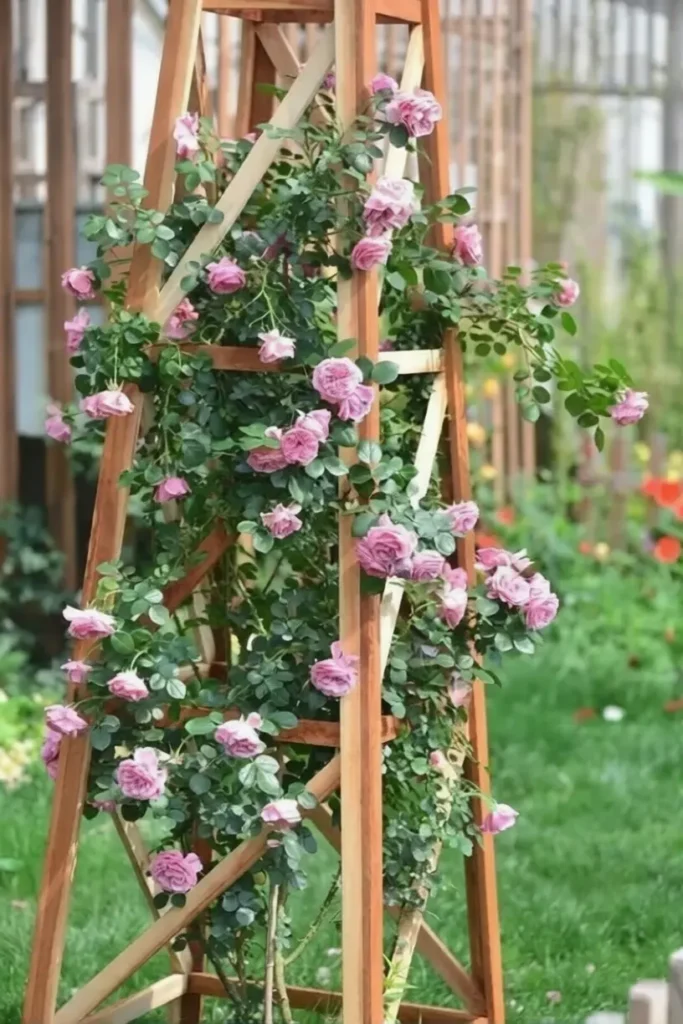
Spiral for Arches: When training a plant up a pole or arch, gently wrap the stem in a loose spiral around the support. This spreads the flowers up the entire height instead of clumping them at the top. Keep stems about 8 inches apart to prevent crowding.
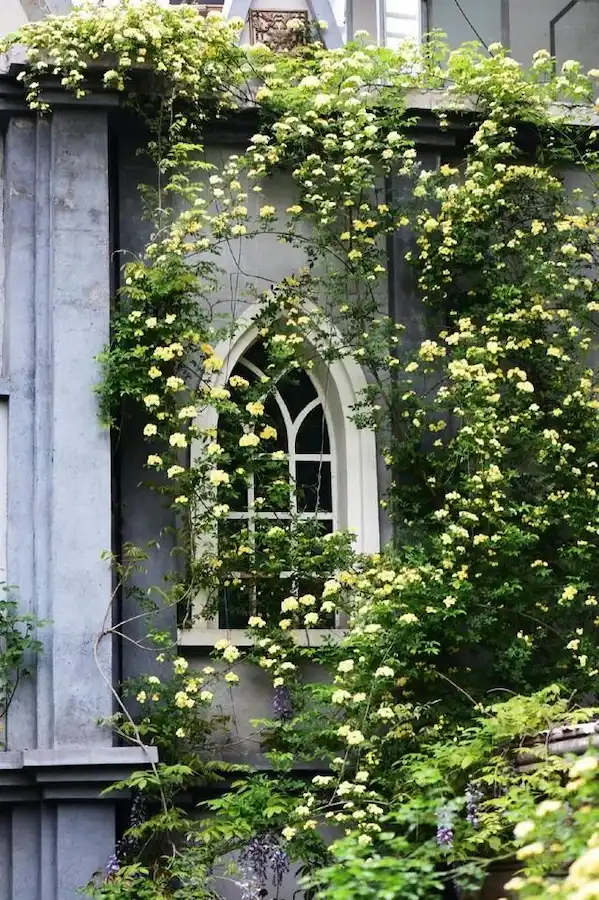
Proper planting sets the foundation for how to guide climbing plants to thrive.
Planting for Success
You cannot build a beautiful structure on a weak foundation.
Location Matters:
Sun-lovers (like most clematis and roses) need at least six hours of direct light. Keep their roots cool by planting low-growing flowers at their base to shade the soil.
Shade-lovers (like ivy) thrive on north-facing walls.
Soil Prep: Dig a hole twice as wide as the pot. Mix in plenty of compost. This is not the place to save $10 on soil amendments—good soil pays off for decades.
Planting Distance: Do not jam the plant right against the wall. The soil there is often bone dry because the roof blocks the rain. Plant at least 18 inches away from a wall or fence. This gives the roots room to spread and catch water.
Long-Term Care: Pruning and Patience
Once your plant is climbing, a little routine care keeps it looking its best.
Water Smart: Water deeply but less often. A long, slow drink once a week is better than a sprinkle every day. Mulch the base with 2 to 3 inches of bark chips. This holds moisture in the soil, keeps roots cool, and helps discourage cats from digging. For more on that, see how to keep cats out of a flower garden.
Prune with Purpose:
Light pruning happens monthly during the growing season. Snip off dead leaves or wayward stems.
Hard pruning happens in late winter or right after flowering, depending on the plant. Remove old, woody growth to make room for fresh shoots.
Get Creative: Design Ideas for Your Space
Once you know how to guide climbing plants, you can start dreaming bigger.
The Romantic Flower Wall: Train a climbing rose or clematis flat against a fence. Use horizontal wires and spread the stems like a fan.
The Dreamy Window Box: Frame a kitchen window with a small jasmine or ivy. Add a pot of lavender on the sill to keep bugs away.
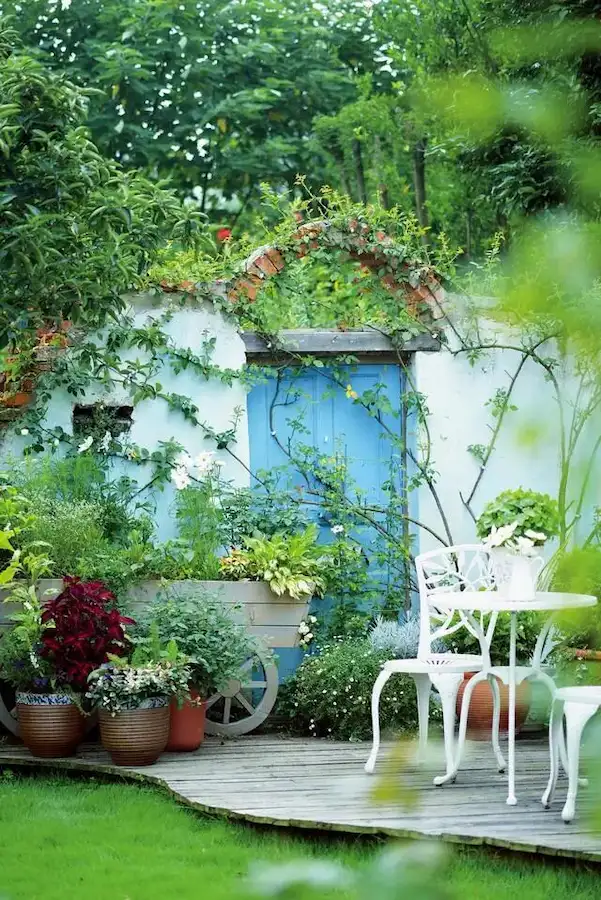
The Showstopper Arch: Place an arch over your garden gate. Plant a vigorous rose or wisteria at each post. In a few years, you will walk through a tunnel of fragrance every time you enter.
Small Space Solutions: Live in an apartment? Even a small balcony garden can host a vertical accent. Place a small obelisk in a large pot on the patio, and fill it with potted plants like sweet pea or mandevilla—both are best plants for balcony garden choices. Train them up the obelisk. You get height and color without taking up much floor space. If you’re just beginning, check out how to start gardening in balcony for essential tips.
There is a quiet joy in watching a plant follow the path you laid out for it. You guide it gently, tie a stem here, tuck one there. Then one morning, you step outside and see it covered in buds, exactly where you hoped they would be. That moment makes every bit of effort worth it. This spring, pick a spot, choose your plant, and start building something beautiful.