Living in an apartment or a city condo doesn’t mean you have to miss out on the joys of balcony gardening. Whether your outdoor space is spacious enough for a small bistro set or just big enough for a couple of pots, gardening in the balcony lets you turn that compact area into a lush, green escape. After a long day, stepping outside to your own mini balcony garden can be the perfect way to unwind. If you’re looking for more inspiration, check out this comprehensive garden guide for additional tips. I’ve gathered some practical advice and plant recommendations to help you easily create your own slice of nature, right outside your door.
Get to Know Your Outdoor Room for Balcony Gardening
Before you rush off to the local nursery or Home Depot, take a few minutes to really look at your space. A little planning now will save you time, money, and heartache later when you’re deep into gardening in the balcony.
Measure Your Space: Grab a tape measure and jot down the length and width of your balcony. Knowing your exact dimensions helps you figure out what size planters, shelves, and how many plants your space can comfortably hold for successful balcony gardening. You don’t want to buy a giant pot that you can’t fit through the door.
Check the Light: This is the secret to picking happy, healthy plants for your balcony garden. What direction does your balcony face?
South-Facing: You get over 6 hours of direct, intense sunlight daily. This is prime real estate for sun-worshippers like Roses, Jasmine, and the vibrant Bougainvillea.
North-Facing: This spot gets the least amount of direct sun, mostly bright, indirect light. Don’t worry, you have a perfect spot for shade-loving beauties such as Pothos, English Ivy, and the trendy Monstera.
East or West-Facing: You’re in the “part-sun” zone. East balconies enjoy gentle morning sun, while west-facing spots get blasted with hot afternoon rays (which can be tough on plants in the summer). The good news? Most plants will be perfectly happy here.
Choose Plants That Love Your Space (and You)
Picking the right plants from the start makes all the difference when you’re starting gardening in the balcony, especially if you’re new to this or just want a low-fuss hobby. If you need more ideas, here’s a list of best plants for balcony garden that are practically foolproof. Here are some gorgeous, easygoing options that thrive in containers.
Practically Impossible to Kill:
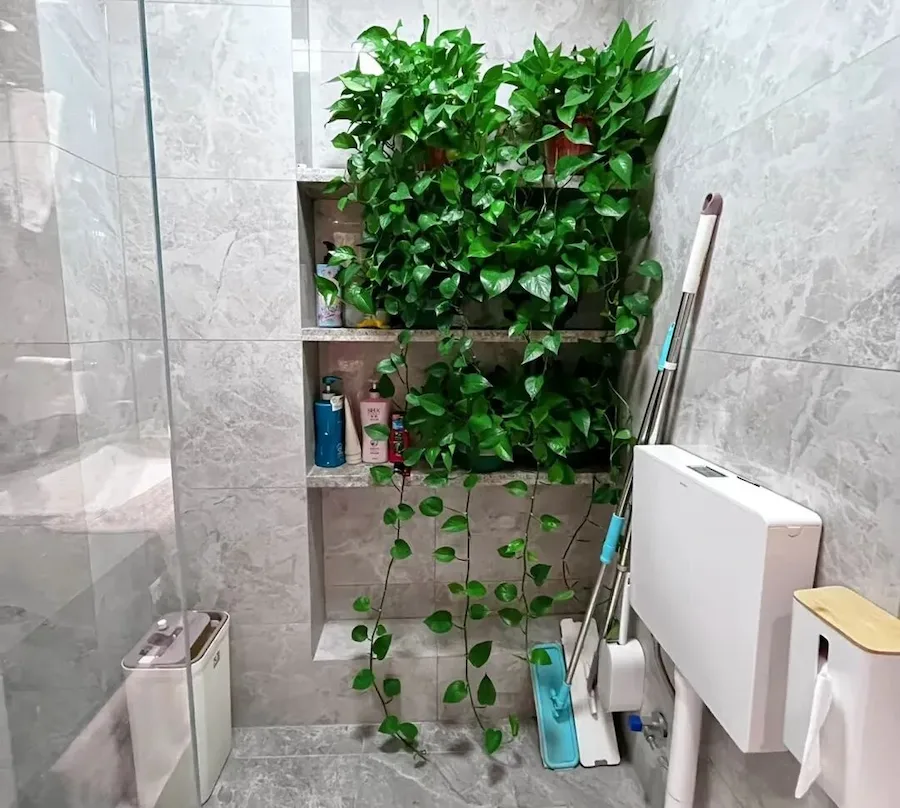
Pothos: This is the ultimate survivor for balcony gardening. It tolerates low light and irregular watering. Want a fuller pot? Just snip a stem, stick it in water, and watch it grow roots. It’s like getting free plants forever. Pop one in your bathroom; it’s great at helping to clean the air.
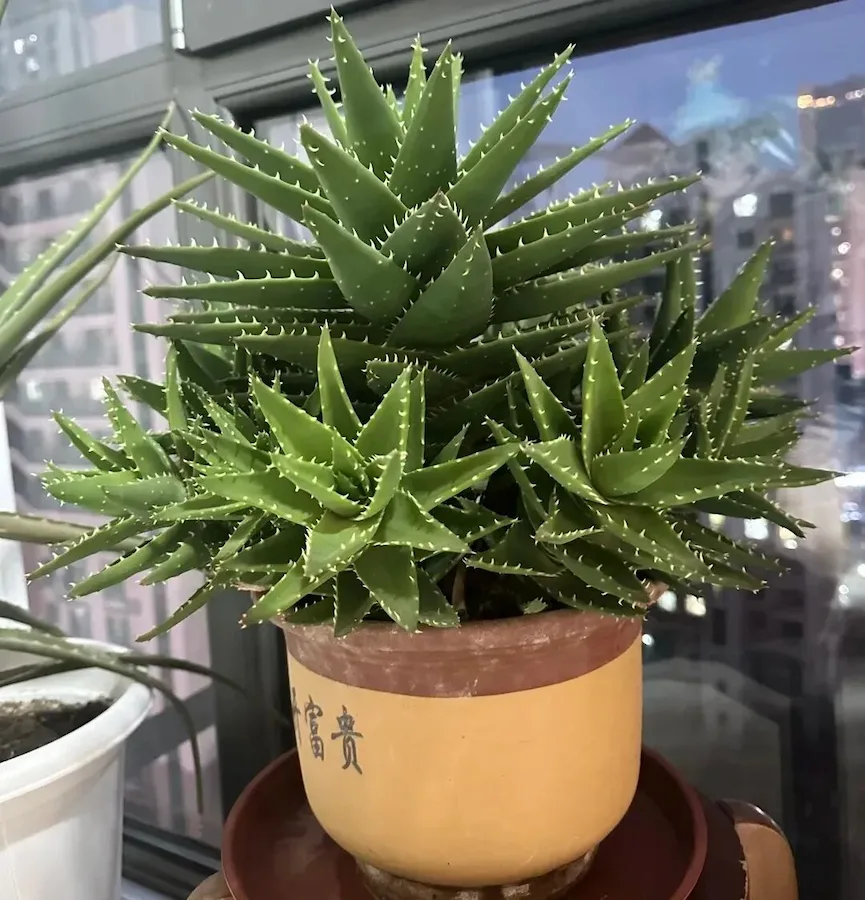
Aloe Vera: This succulent is perfect for anyone who forgets to water. Let the soil dry out completely between waterings, and it will be happy. It constantly produces little “pups” (baby plants) that you can share with friends.
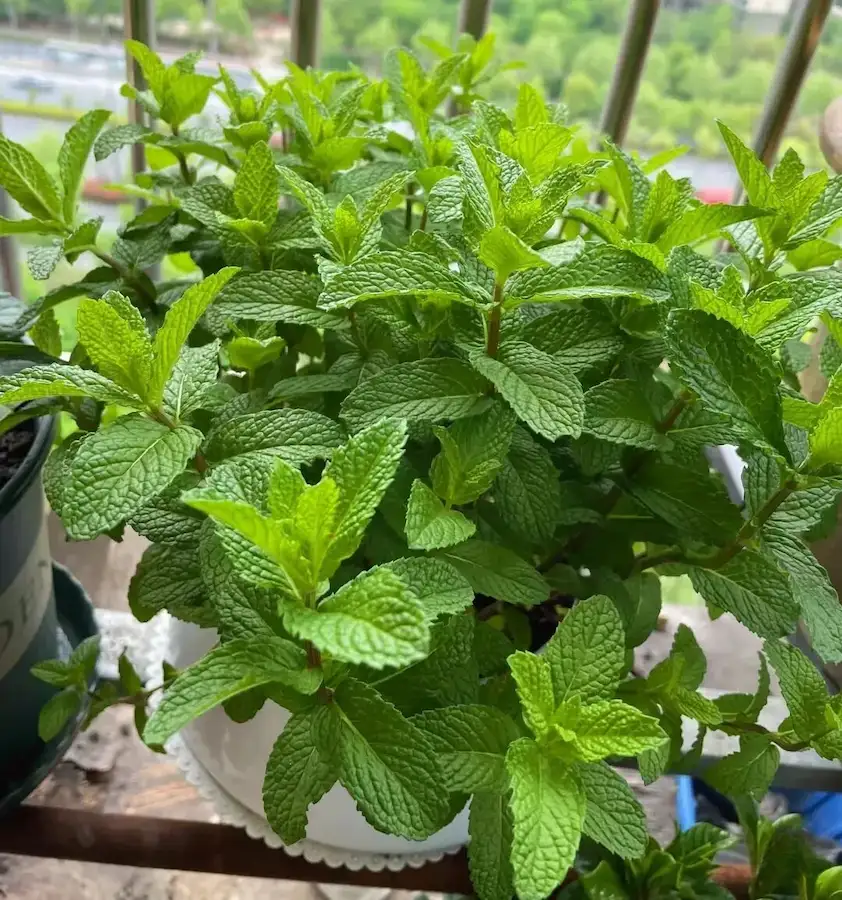
Mint: Give this herb some water and it will take off in your balcony garden. The fresh scent that fills the air when you brush against the leaves is incredible, and it naturally helps deter mosquitoes. Plus, you can snip some for your iced tea, grill it with steak, or muddle it into a refreshing mojito.
Beautiful Blooms Without the Fuss:
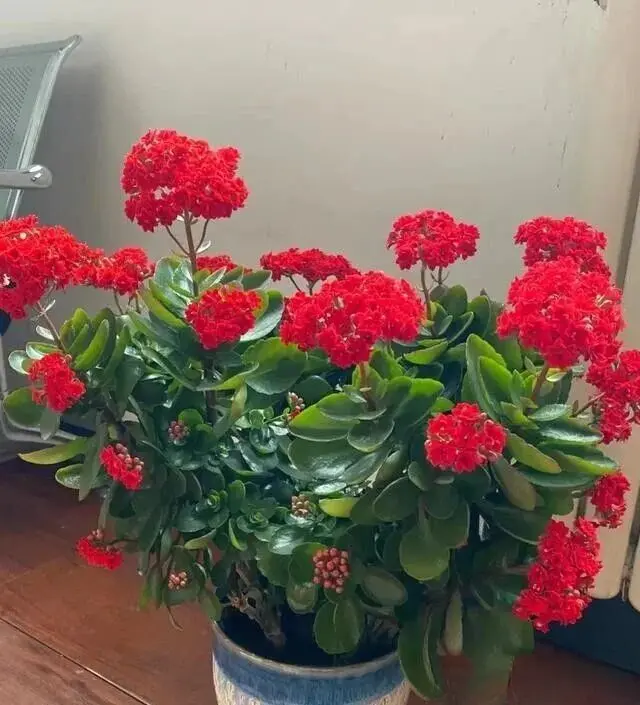
Kalanchoe: Often called “Flaming Katy,” this succulent blooms in cheerful clusters of flowers for weeks on end. It doesn’t need much water, just a sunny spot on your balcony, and it rewards you with non-stop color.
Christmas Cactus: True to its name, this plant often bursts into bloom around the holiday season with beautiful, pendulous flowers. Its flat, leafy segments are unique, and it prefers bright, indirect light. A little extra sun in the fall helps encourage those festive flower buds.
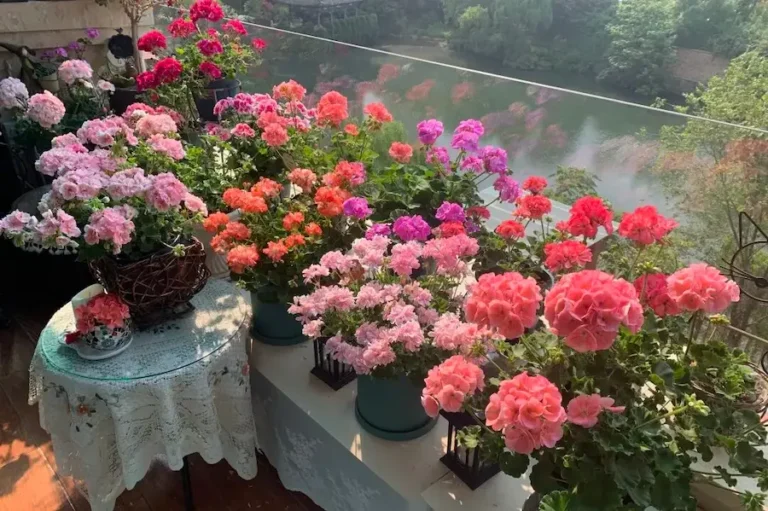
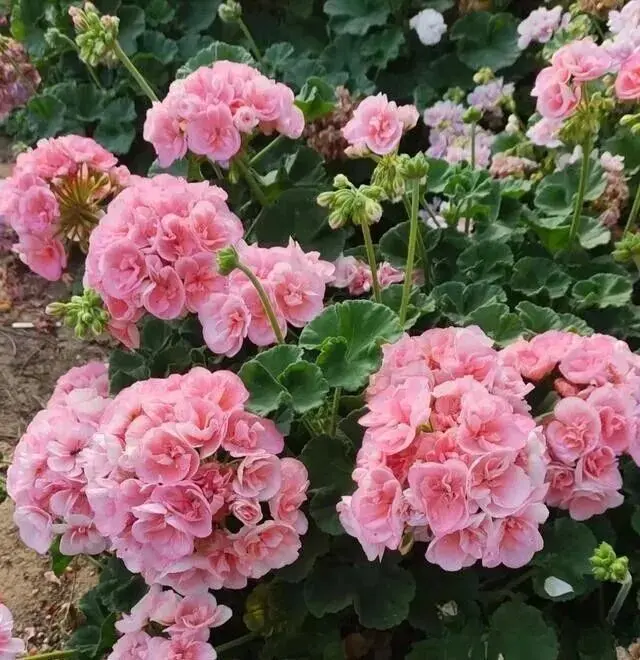
Geraniums: A classic choice for a reason. These plants are practically everywhere in the US because they’re reliable and offer endless color options. Give them plenty of sun, well-draining soil, and regular food, and they’ll keep your balcony looking cheerful all season long.
Natural Air Fresheners:
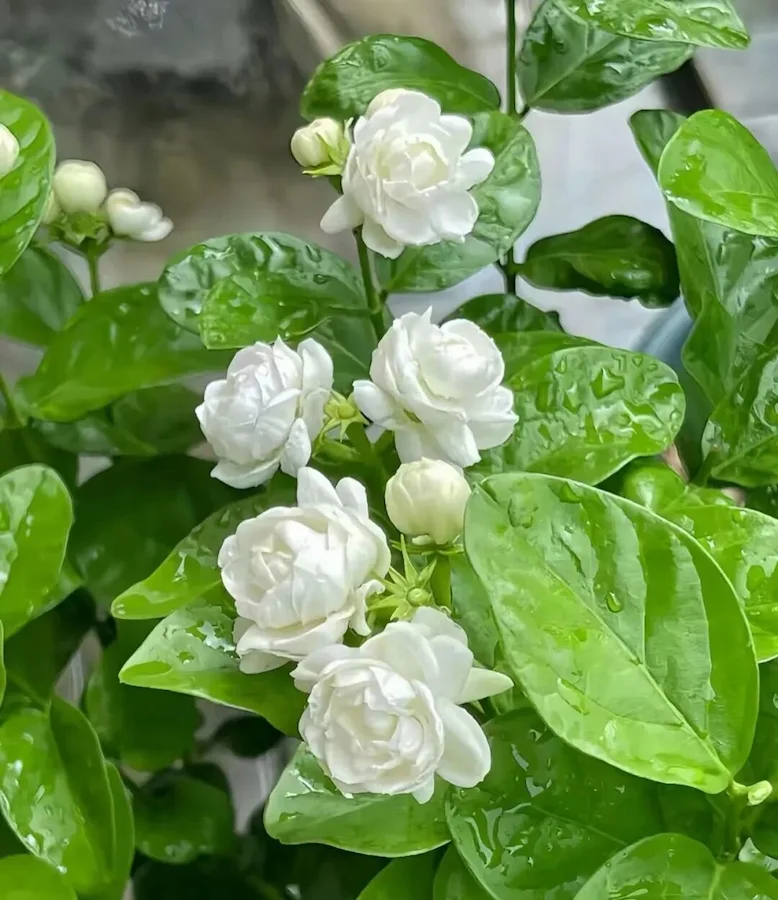
Jasmine: The sweet, romantic scent of jasmine flowers on a warm evening is unforgettable. It loves full sun and plenty of water in the summer. When the flowers fade, you can even pick them to scent a cup of tea.
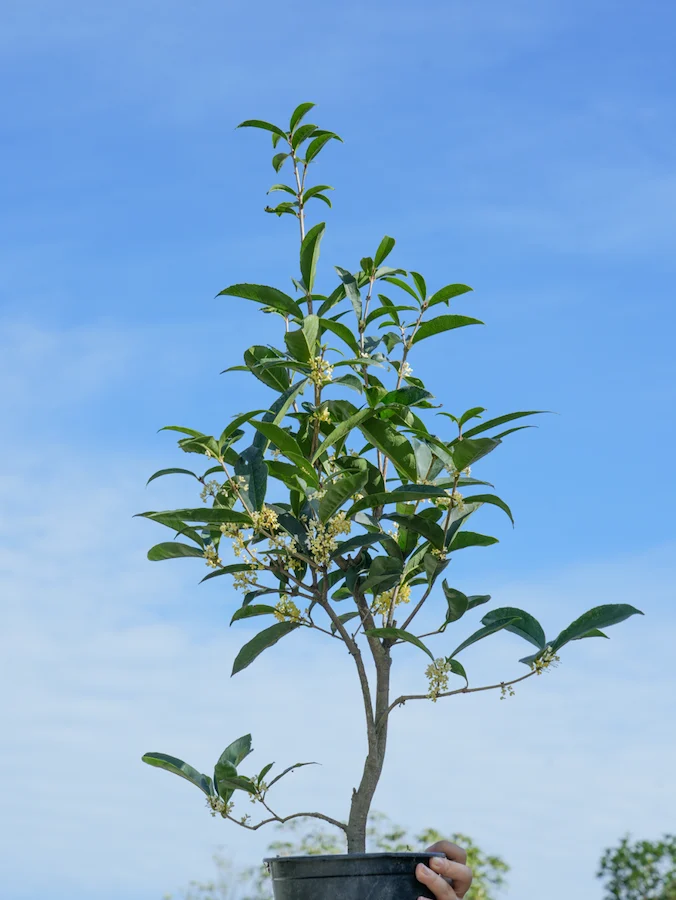
Sweet Olive (Osmanthus): This plant produces an incredibly sweet, apricot-like fragrance that stops people in their tracks. It’s a beautiful, lush shrub that adapts well to pots, filling your entire balcony with its perfume when it blooms.
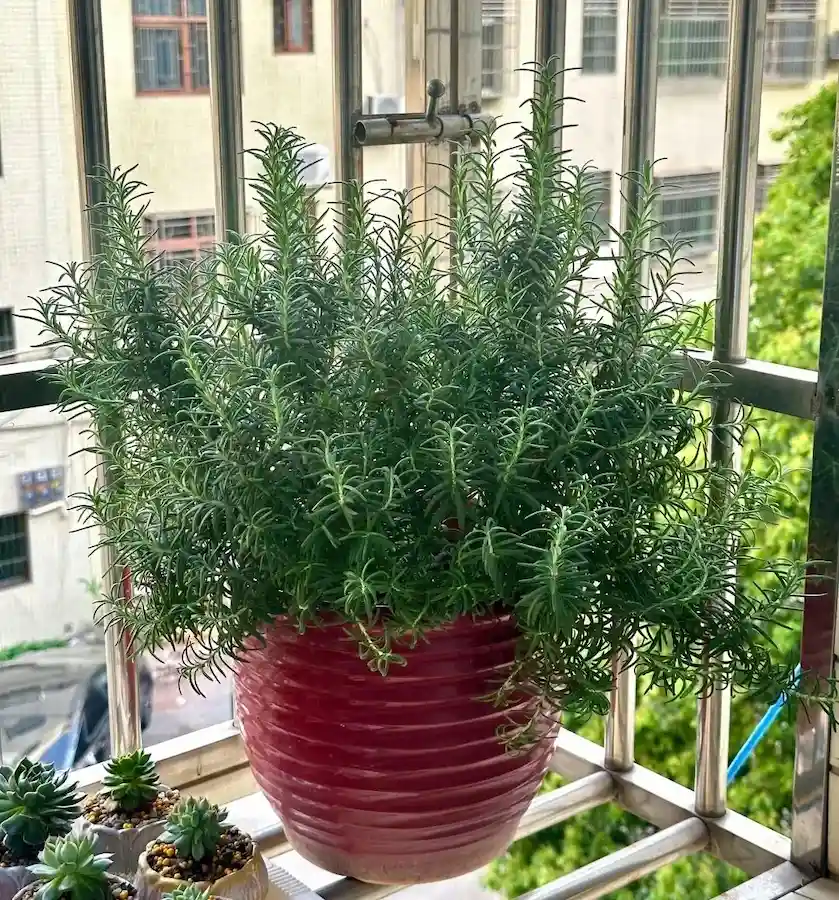
Rosemary: Not just for cooking! This woody herb smells amazing, especially after it rains or when the sun hits it. It’s as hardy as it is fragrant, and yes, it’s perfect for seasoning chicken or roasted potatoes straight from your balcony garden.
The Show-Offs (They Bloom Non-Stop):
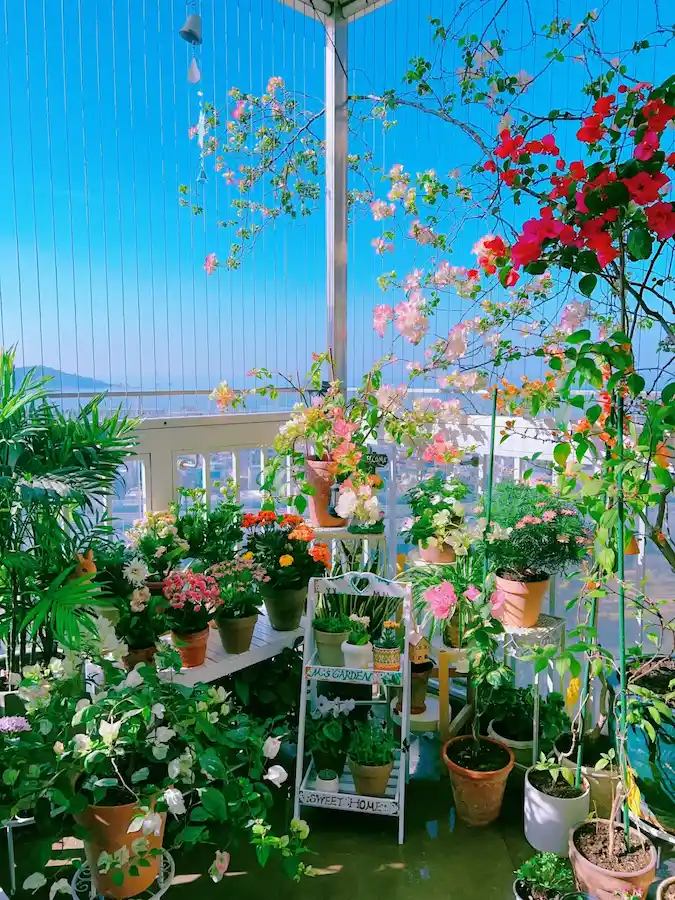
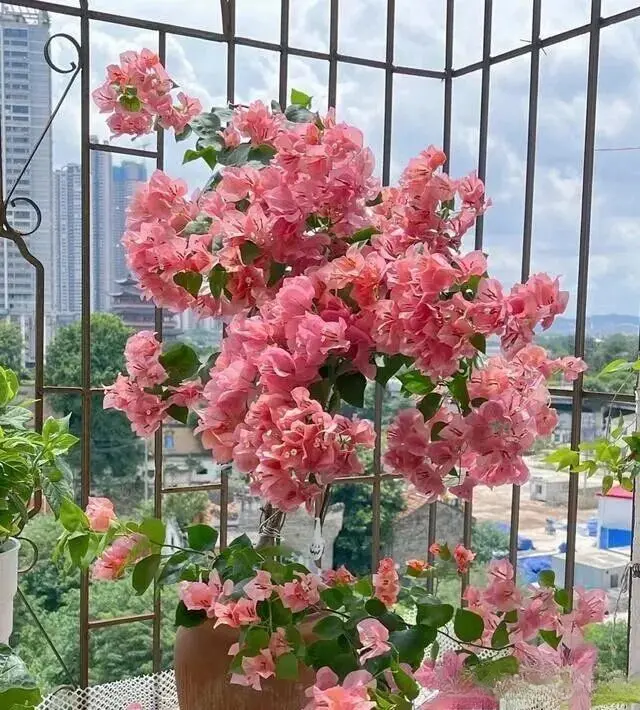
Bougainvillea: If you’ve ever been to California or Florida, you’ve seen this plant exploding with color. It’s a showstopper. But remember, it’s a sun fanatic. Without at least 6 hours of direct sun, it won’t put on its famous floral display. Give it a prime sunny spot on your balcony.
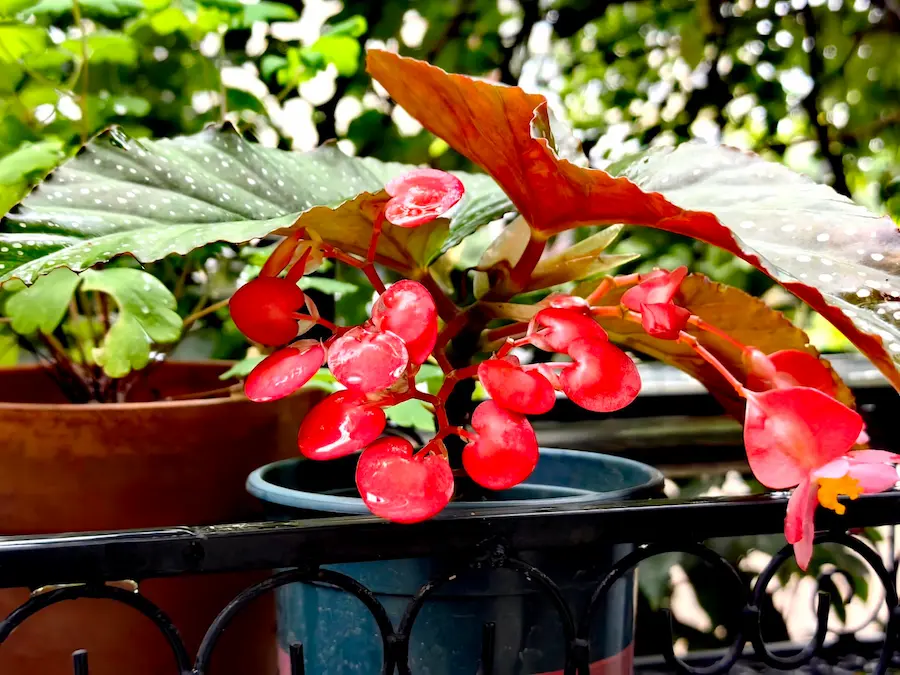
Rieger Begonia: These look like delicate roses but are surprisingly easy to care for. They produce masses of flowers from fall through spring. Keep them out of harsh direct sun, water when the soil surface feels dry, and they’ll keep the color coming for months.
Mona Lavender: This plant is as close to “perfect” as it gets for a beginner in balcony gardening. It has stunning purple flowers, attractive dark green foliage with purple undersides, and a ridiculously long blooming period from spring to frost. It’s heat-tolerant, sun-tolerant, and even handles some shade without complaint.
Pots, Dirt, and the Basics for Your Balcony Garden
Using the right containers and soil is just as important as the plant itself when you’re setting up for gardening in the balcony.
Pick Your Pot: You have options! Terracotta pots are classic, breathe well (helping prevent root rot), but they are heavy and can dry out fast. Plastic pots are lightweight, cheap, and hold moisture longer, but don’t offer great air flow. Ceramic pots are beautiful glazed decoration but are very heavy. No matter what you choose, make sure the pot has a drainage hole in the bottom. This is non-negotiable; without it, your plants will likely drown.
Get the Good Dirt: Don’t dig up soil from your apartment complex’s garden. It’s usually too heavy and compacts in pots, suffocating the roots. Instead, grab a bag of Potting Mix from the store. For around $8 to $15 a bag, it’s specially formulated with things like peat moss and perlite to be light, fluffy, and full of nutrients – perfect for container gardening in the balcony.
Easy Daily Care Tips
Watering: The number one rule? Don’t overwater! Stick your finger about an inch into the soil. If it feels dry, water thoroughly until it runs out the bottom. If it feels damp, leave it alone. In the heat of summer, you might water daily. In the cool of winter, your plants will need a drink far less often.
Feeding: Plants in pots can’t reach out for more food, so you have to bring it to them. During spring and summer when they’re actively growing, use a general liquid fertilizer or one made for flowers (look for a higher phosphorus number on the label). A $10 bottle will last you months. You can usually stop feeding in the winter.
Pruning and Cleaning: Snip off any yellow or dead leaves to keep things tidy and healthy. For flowering plants, pinch off old, faded blooms (a process called deadheading). This simple act tricks the plant into producing even more flowers to replace them. For fast growers like mint and rosemary, frequent harvesting is the best pruning of all.
Pests: Just keep an eye on things. If you spot a few aphids or spider mites, often a strong spray of water from the hose or wiping them off with a wet cloth is enough. If you have furry friends visiting your plants, you might want to read up on how to keep cats out of a flower garden to protect your hard work. For tougher insect problems, a bottle of insecticidal soap from the garden center is a safe and effective solution.
Just Enjoy the Ride
Honestly, everyone kills a plant now and then. I’ve scorched roses and turned succulents to mush by over-loving them with water. It happens. Gardening in the balcony is really just a journey of learning what works in your unique little world. If you ever want to expand into growing food, check out these best vegetables for a balcony garden to try next season.
There’s a quiet magic in watching a seed you pushed through the soil break ground, or noticing a new bud has appeared overnight on your balcony garden. After a hectic day, stepping onto the balcony to water a few pots, pinch back some leaves, and just breathe for a few minutes can wash the stress away. For those with curious cats, learning how to keep cats out of flower garden spaces can save you a lot of frustration.
Your small balcony can become your own peaceful spot to connect with nature, right in the middle of the city. So grab a trowel, pick out a plant or two that sparks joy, and start creating your own little patch of green. Your perfect urban oasis is just a few pots away.