- The Golden Rule for Your Vegetable Garden: Feed Little and Often
- Tailoring Fertilizer Frequency to Your Vegetable Types
- Match Feeding to the Plant's Life Stage
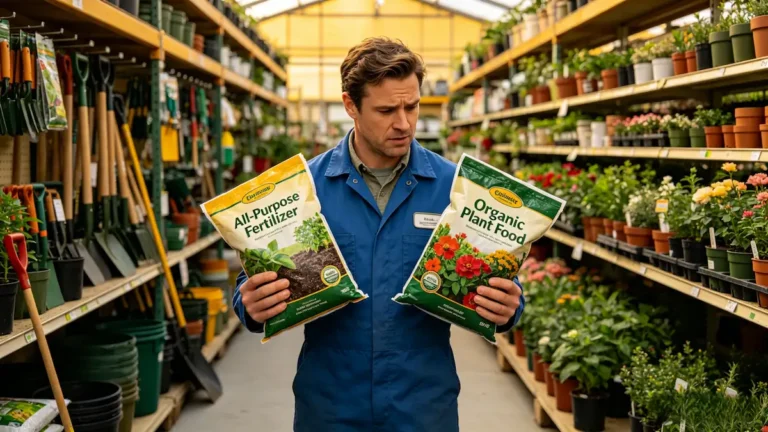
- Picking Your Fertilizer Changes the Schedule
- Your Soil Tells You What It Needs
- Smart Fertilizing Moves for a Healthier Garden
- Your Plants Are Talking—Learn to Listen
- Quick Answers to Common Garden Questions
Figuring out how often to fertilize your vegetable garden is one of the most common questions for home growers in the U.S. Getting it right is the key to a healthy, productive harvest. The perfect frequency for your vegetable garden isn’t set in stone—it depends on what you’re growing, the growth stage, fertilizer type, and your soil’s condition. Let’s break it down into simple, actionable steps so your garden can thrive.
The Golden Rule for Your Vegetable Garden: Feed Little and Often
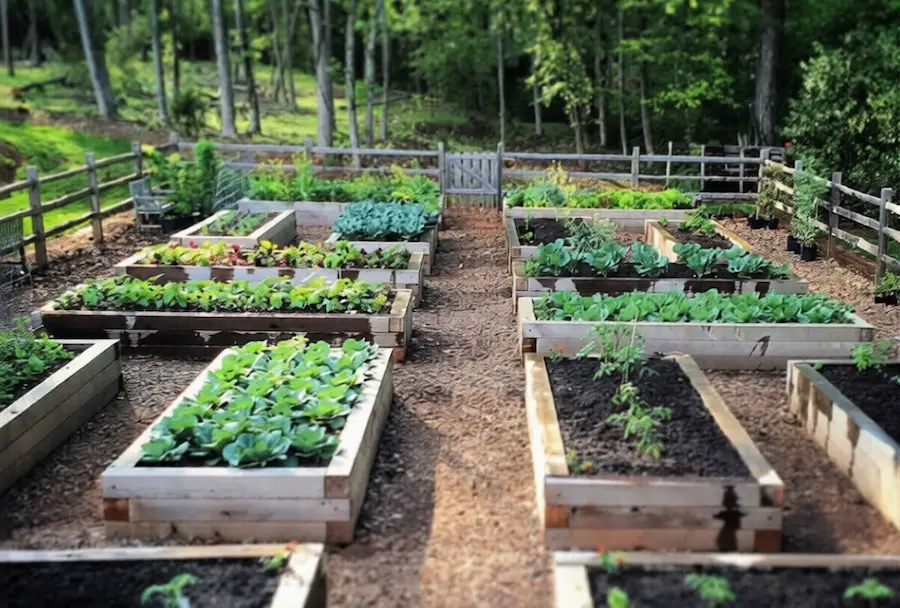
No matter what fertilizer you use, remember this mantra: “little and often.” Applying too much at once can burn plant roots or wash away before plants can use it. Dilute your fertilizers. Go for half-strength with organic options and about one-third strength with synthetic ones. A good rhythm is to fertilize every 7 to 10 days during the main growing season. This steady feed keeps your plants happy without the risk.
Tailoring Fertilizer Frequency to Your Vegetable Types
Different veggies have different appetites.
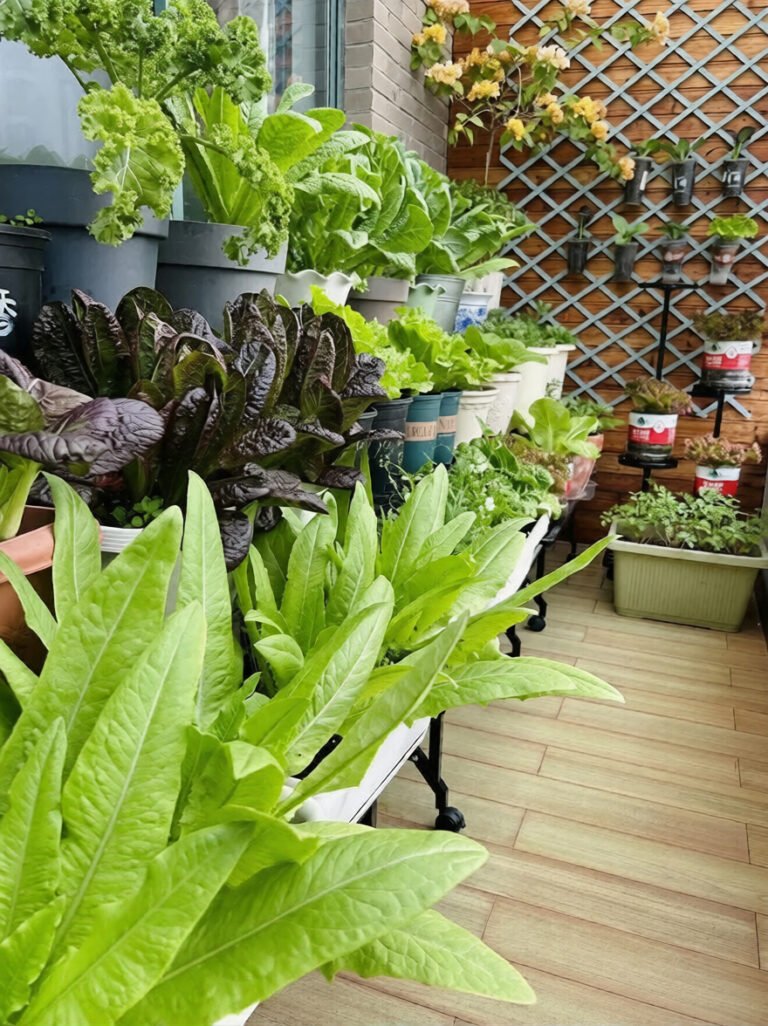
Leafy Greens (Lettuce, Spinach, Kale): These fast growers crave nitrogen for lush leaves. Give them a nitrogen-rich feed every 7 to 10 days.
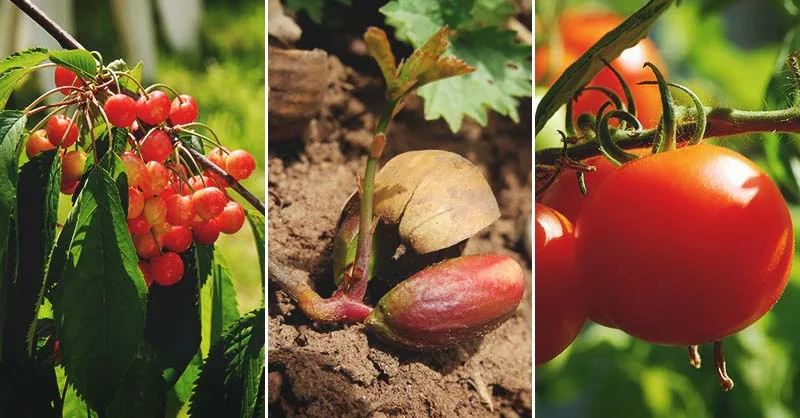
Fruiting Vegetables (Tomatoes, Peppers, Cucumbers): When they start flowering and fruiting, they need more phosphorus and potassium. Switch to a balanced feed or a “bloom” formula every 10 to 14 days.
Root Vegetables (Carrots, Radishes, Potatoes): They need nitrogen early for top growth, then more potassium later to plump up underground. Fertilize every 10 to 15 days, shifting to a low-nitrogen, high-potassium mix as they mature.
Match Feeding to the Plant’s Life Stage
Your plants’ needs change as they grow.
Seedling Stage: Young plants are delicate. Use a very diluted, nitrogen-light fertilizer every 10 to 14 days to encourage strong roots.
Vegetative Growth Stage: This is the hungry time! Plants are building lots of leaves and stems. Hit them with a balanced fertilizer every 7 to 10 days.
Flowering & Fruiting Stage: It’s all about the harvest now. Ease up on nitrogen and use a fertilizer higher in phosphorus and potassium every 7 to 10 days to support big, healthy fruits.
Picking Your Fertilizer Changes the Schedule
The type of food you choose directly affects how often to fertilize your vegetable garden.
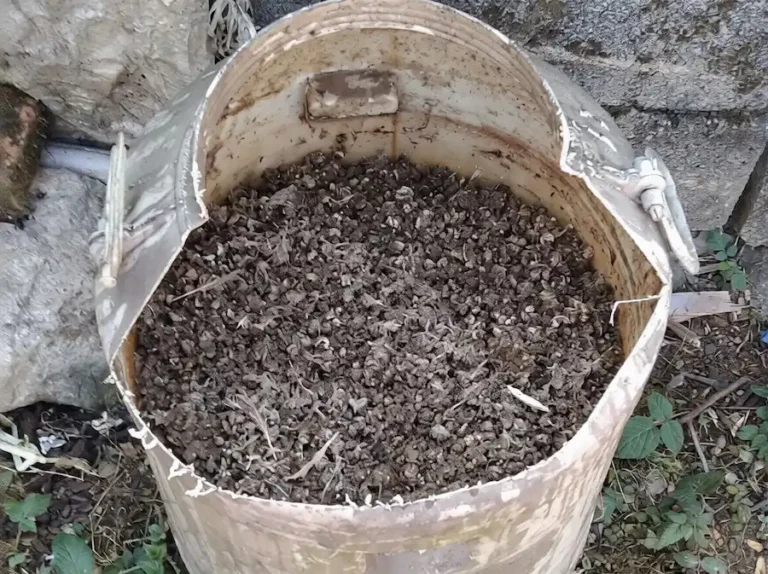
Organic Fertilizers (Compost, Manure, Worm Castings): These are slow-release, improving soil health over time. Apply them less frequently, about every 3 to 4 weeks.
Synthetic/Granular Fertilizers (All-purpose 10-10-10): These work fast but don’t last long in the soil. You’ll typically need to reapply every 1 to 2 weeks.
Liquid Fertilizers (Fish Emulsion, Liquid Seaweed): These act quickly and are perfect for a fast nutrient boost. They’re ideal for a weekly feed, especially for container plants.
A quick tip: Many home gardeners prefer organic options. They’re gentler on the soil ecosystem and can improve flavor. DIY fertilizers like compost tea or banana peel water are great, but make sure they’re fully broken down to avoid root burn.
Your Soil Tells You What It Needs
Start with your soil. It’s the foundation.
Rich, Loamy Soil: If your soil is already in great shape, you can fertilize less often. Stretch the interval to 10-14 days.
Poor, Sandy, or Heavy Clay Soil: These soils need more help. Stick to the more frequent end of the schedule (every 7 days) and focus on adding lots of compost to build structure over time.
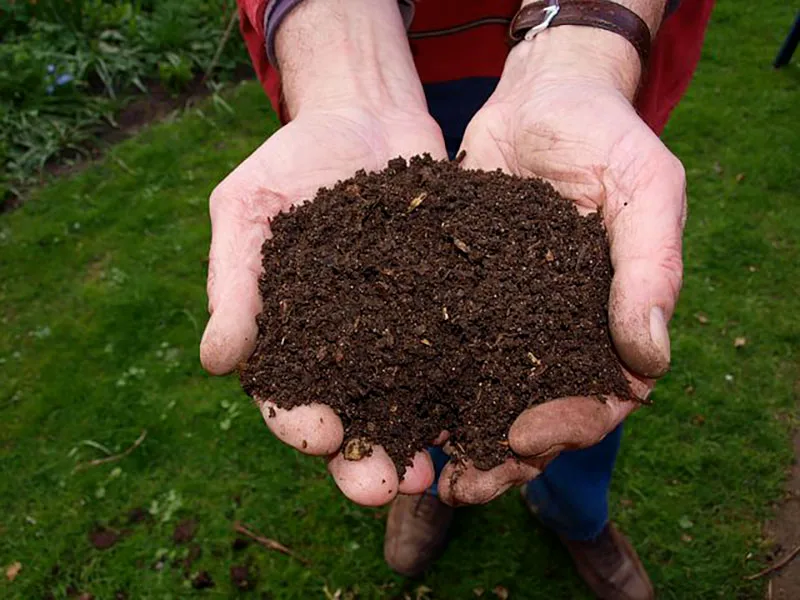
Not sure about your soil? Look at your plants. Pale yellow leaves often scream for nitrogen. Stunted growth might mean they need a bit of everything. While you’re optimizing nutrition, remember that protecting your plants from pests is just as crucial. If you’re also nurturing a flower patch, you might find our guide on how to keep cats out of your flower garden helpful for keeping all your garden areas safe.
Smart Fertilizing Moves for a Healthier Garden
Timing and technique matter almost as much as the fertilizer itself.
Apply fertilizer in the cool of the early morning or late afternoon. Midday sun can cause it to evaporate or even scorch wet leaves. Water your garden well the day before, or fertilize after a rain when the soil is moist but not soggy.
Focus on root feeding. Apply granules or pour liquid fertilizer around the base of the plant, about 4-6 inches away from the stem. Then water it in. Foliar feeding (spraying leaves with a diluted mix) can give a quick mid-season pick-me-up.
Don’t forget the foundation! Mixing a few inches of compost or a balanced organic fertilizer into your beds before planting gives your veggies a huge head start.
Your Plants Are Talking—Learn to Listen
Gardening is an art, not just a schedule. Spend time in your garden and watch for clues.
Are plants growing slower than expected? Yellowing leaves? They might be hungry. Are blooms dropping or fruits staying small? They likely need more phosphorus and potassium. Burnt leaf edges can signal a potassium deficiency.
Let these signs guide you. A heavy-feeding tomato might want weekly drinks during peak season, while a row of lettuce might need a lighter touch. Learning how often to fertilize your vegetable garden truly comes down to this ongoing conversation with your plants.
Quick Answers to Common Garden Questions
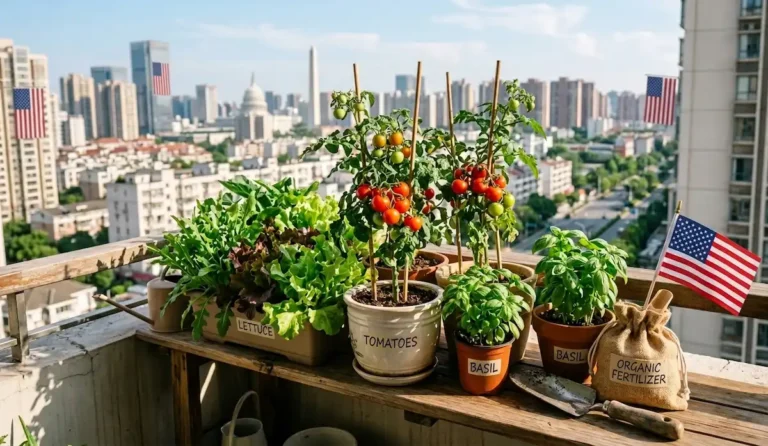
What about containers? Potting soil loses nutrients fast. You’ll need to fertilize more frequently, often weekly with a liquid feed, or use a slow-release fertilizer mixed into the potting soil at planting. For small-space growers, choosing the right plants is key; explore our list of the best plants for balcony garden for ideas.
Weather plays a role. In extreme heat or heavy rain, plants get stressed and nutrient uptake can slow. It’s often better to hold off on fertilizing until conditions improve.
Try crop rotation. Follow a heavy feeder like corn with nitrogen-fixing beans, and then a light feeder like onions. This natural rhythm keeps your soil nutrient-balanced year after year. And if curious neighborhood felines become a nuisance, similar strategies for your veggie patch as for knowing how to keep cats out of my flower garden can be useful to implement.
There’s a deep satisfaction in nurturing your plants from seed to supper. Tuning into the rhythm of feeding your garden connects you to the heart of growing your own food. Whether you’re figuring out how often to fertilize a vegetable garden in the ground or in containers, the process is a rewarding journey. Grab your fertilizer, step outside, and give your plants what they’re asking for. That first sun-warmed tomato of the season will taste all the sweeter for it.